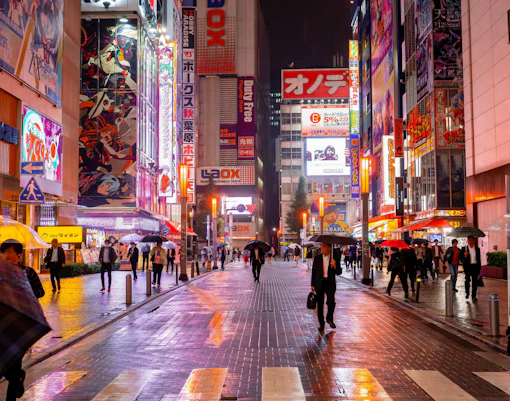
Neighborhood at a glance

  • Why visit: Ginza packs Chuo-dori shopping, Kabuki-za, department store food halls, and small galleries into a compact grid you can cover on foot.
  • Atmosphere: Polished, orderly, commercial, bright.
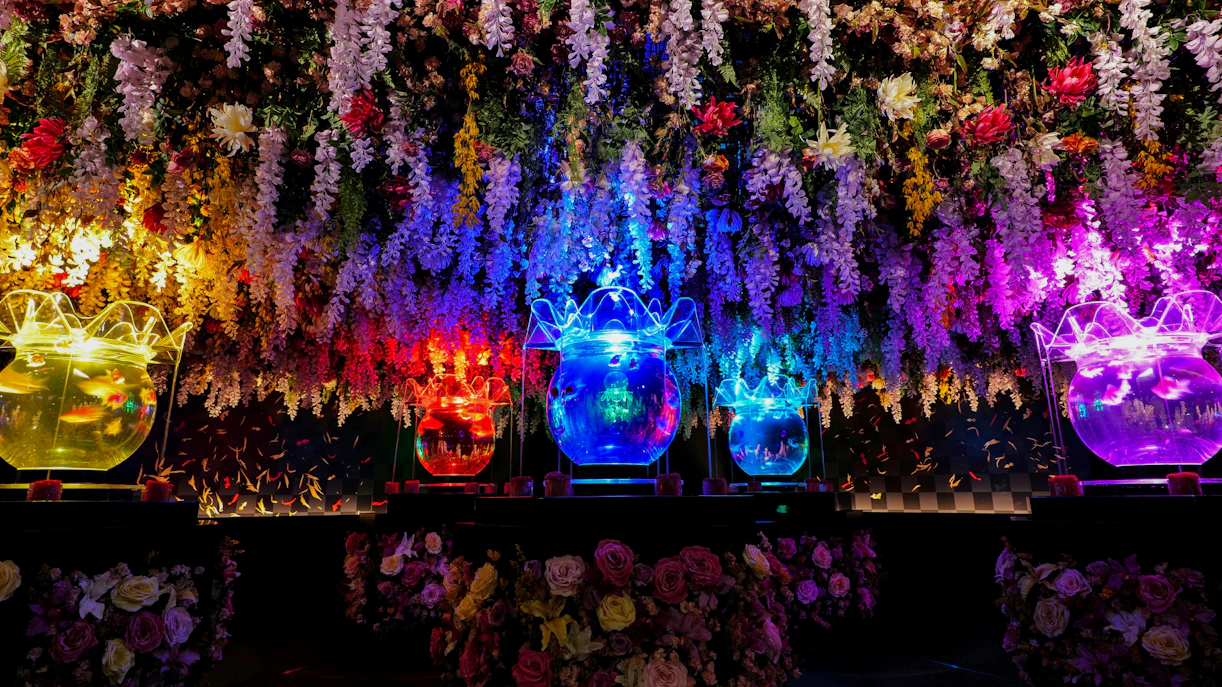
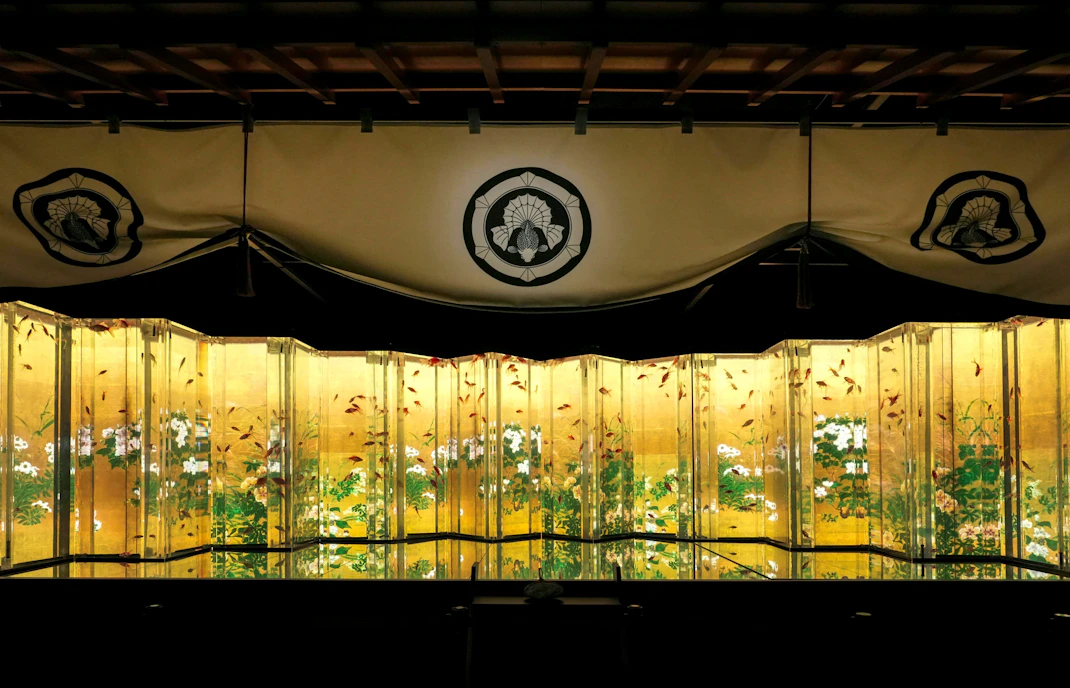
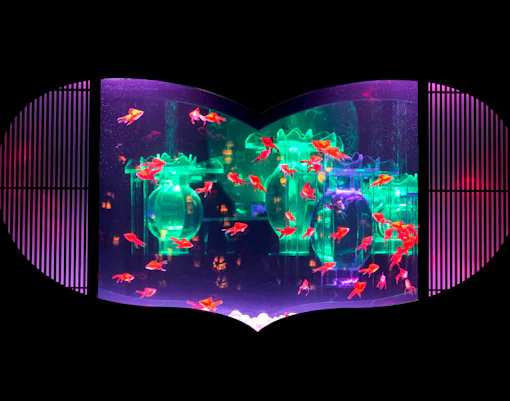
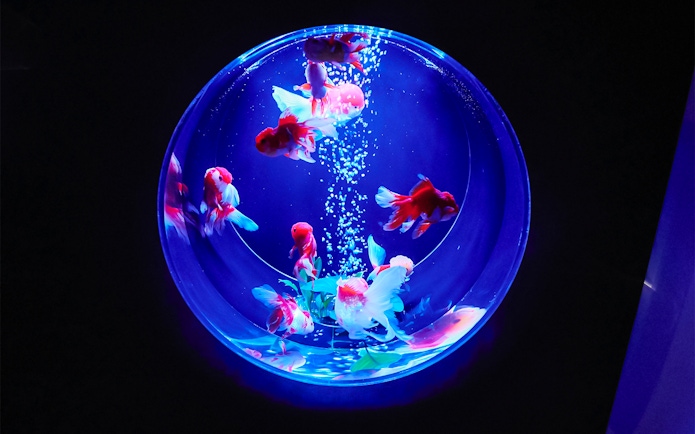
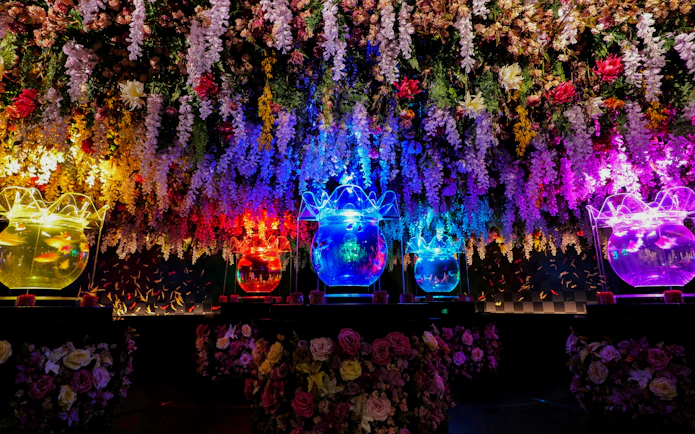
  • Top things to do: Watch a performance at Kabuki-za, browse Chuo-dori, visit Art Aquarium Museum Ginza, eat through the depachika at Ginza Mitsukoshi and Matsuya Ginza.
  • Best for: Shoppers, first-time visitors, food-focused travelers, couples.
  • Time needed: 3–5 hours.
  • Best time to visit: Weekday late morning for easier browsing, or early evening when the signs switch on and dinner spots open.
  • Nearby: Kabuki-za, Tsukiji Outer Market, Hibiya, Yurakucho, Marunouchi, Imperial Palace East Gardens.

Top things to do in Ginza

Pro tip

Start in Higashi-Ginza if Kabuki-za is on your list, then walk west through Ginza toward Yurakucho — the route is cleaner, and you won’t need to backtrack.


Quick navigation

🏛️ Why visit   | 🎟️ Best ways to explore   |🧭 Plan your visit   | 🌟 Free things to do  | 📋 Itinerary   | 💡 Tips   | 🍴 Dining


Why visit Ginza

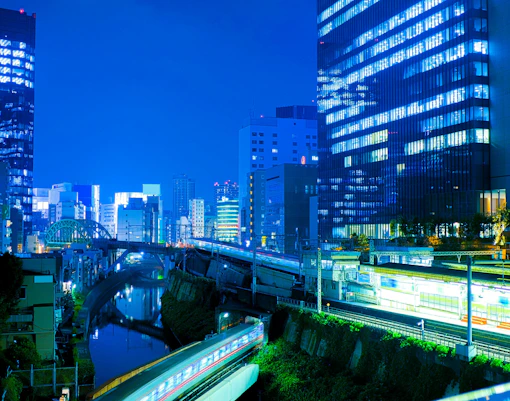
Chuo-dori shopping street in Ginza
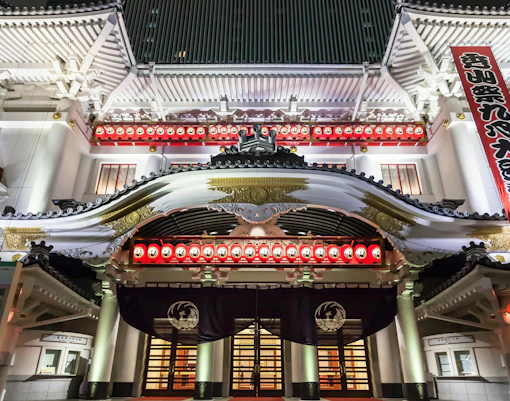
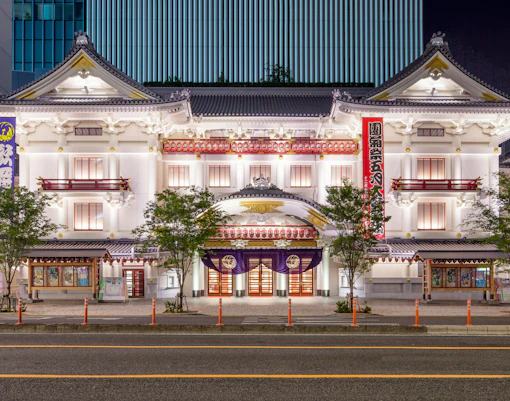
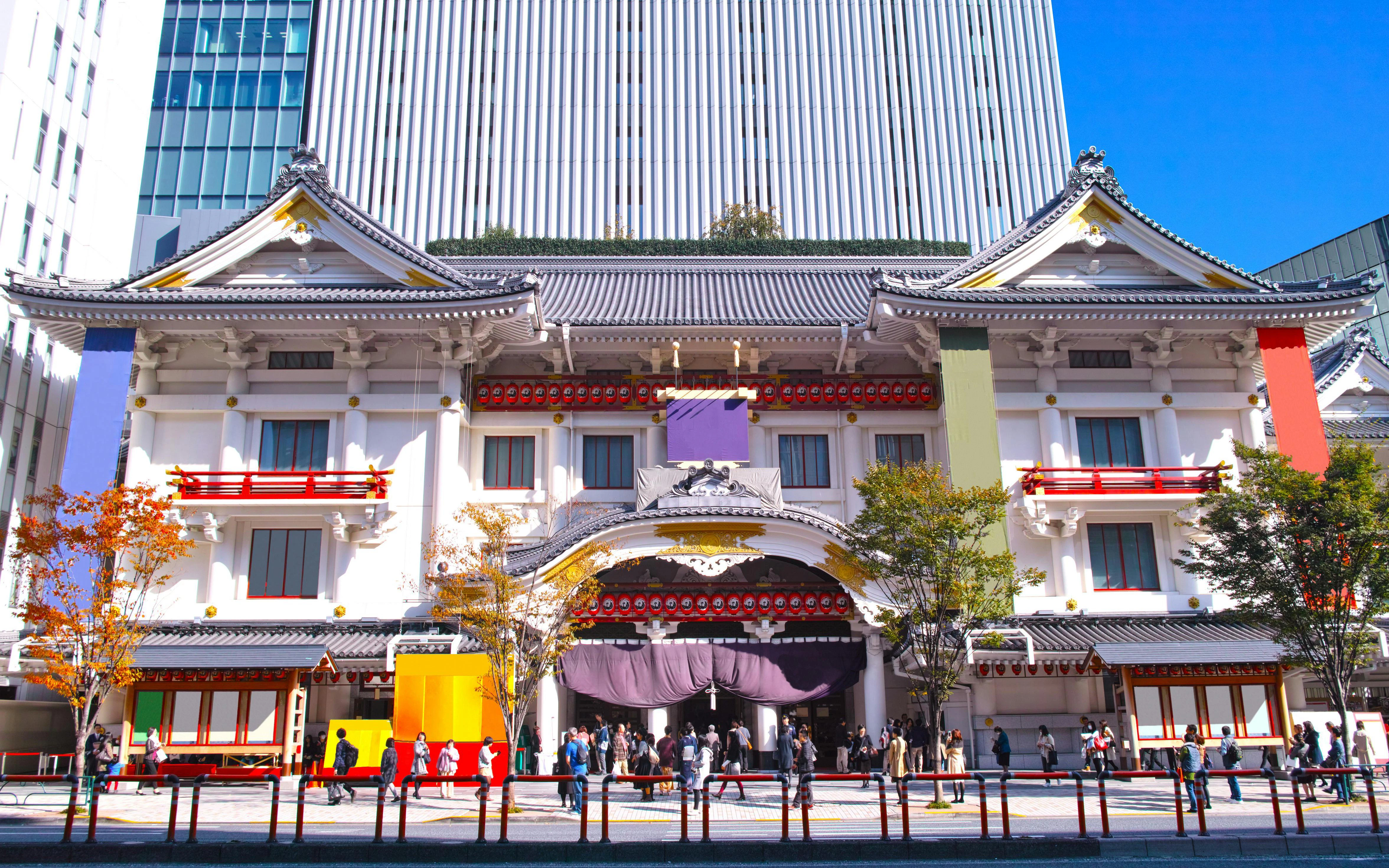
Kabuki-za Theatre in Higashi-Ginza
Depachika food halls in Ginza
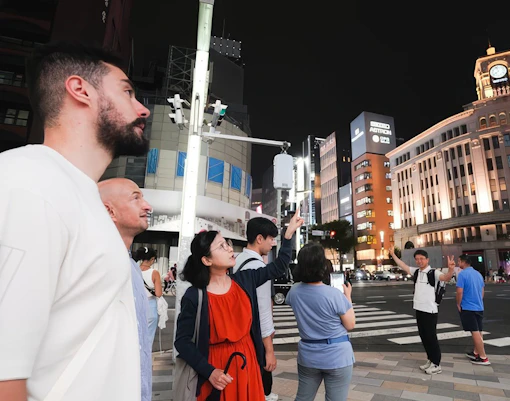
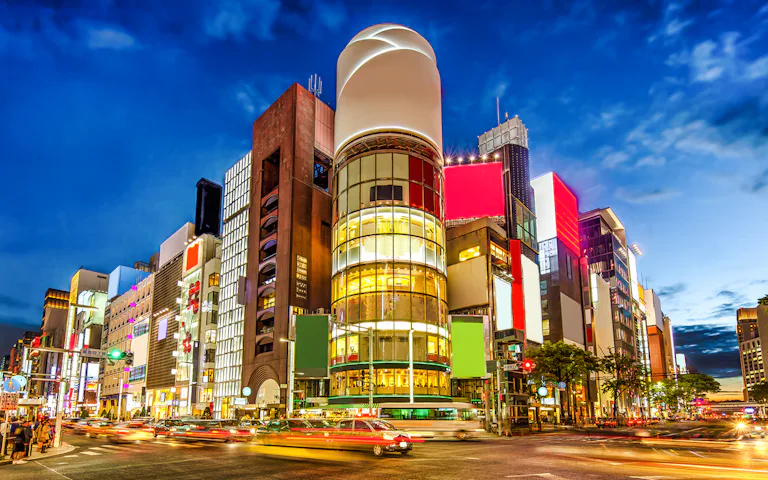
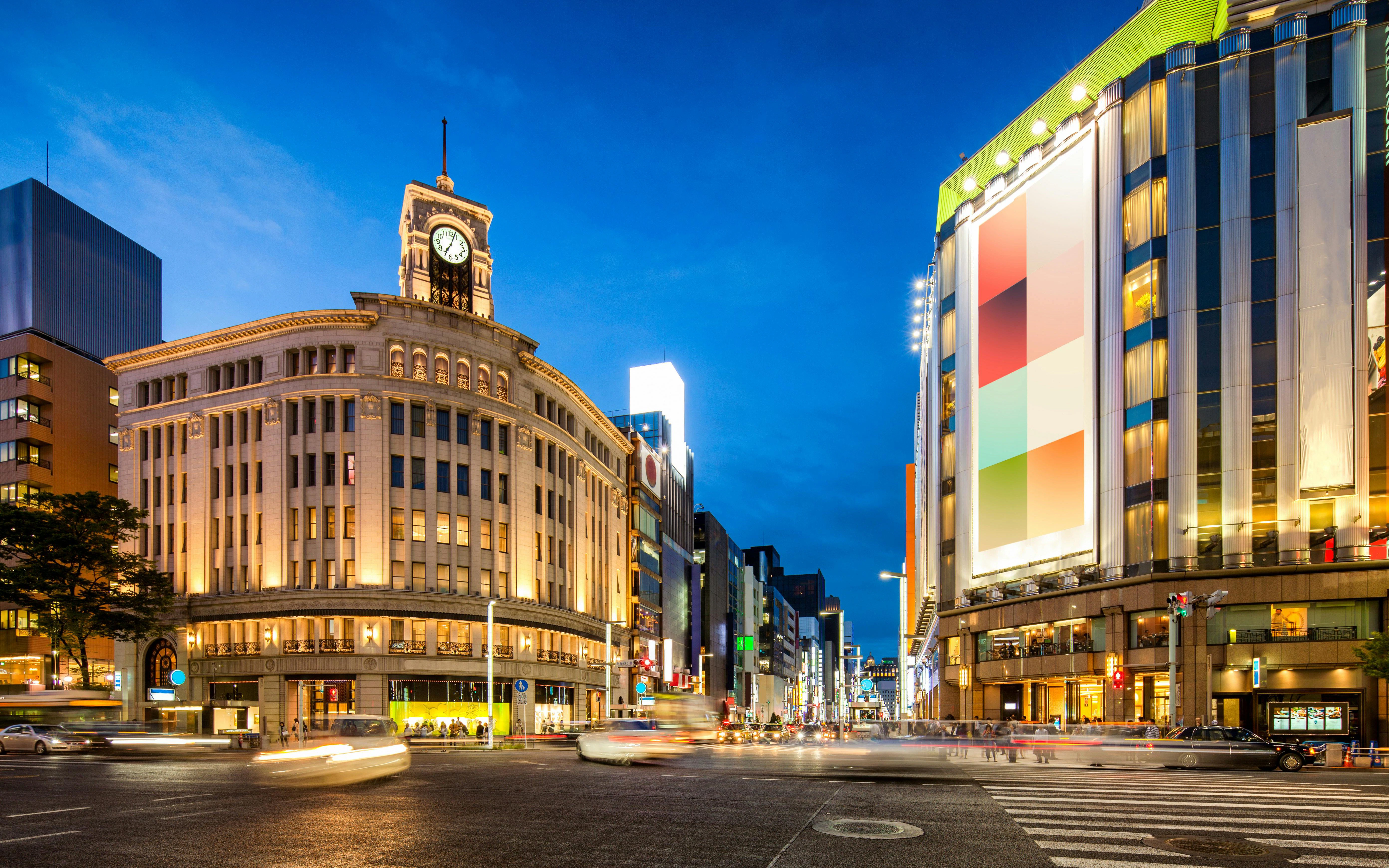
Wako clock tower and nearby districts
Historic streetscape and modern storefronts in Ginza
1/5

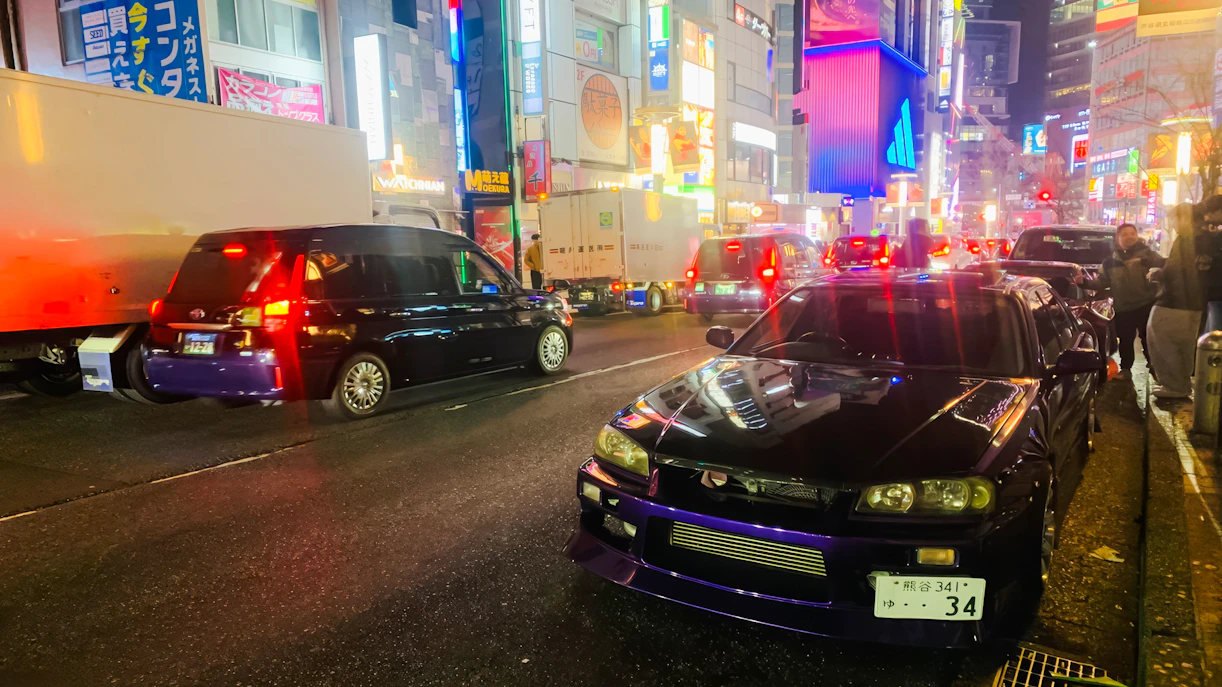
Chuo-dori concentrates shopping into one walk

You can cover flagship fashion stores, stationery halls, watch boutiques, and department stores on one straight boulevard instead of zigzagging across central Tokyo. The grid is compact and easy to read.

Kabuki-za keeps Ginza tied to older Tokyo

Kabuki-za gives the district a direct line to Tokyo’s theater culture, right in the middle of polished retail blocks. You can see a landmark performance venue without leaving central Tokyo.

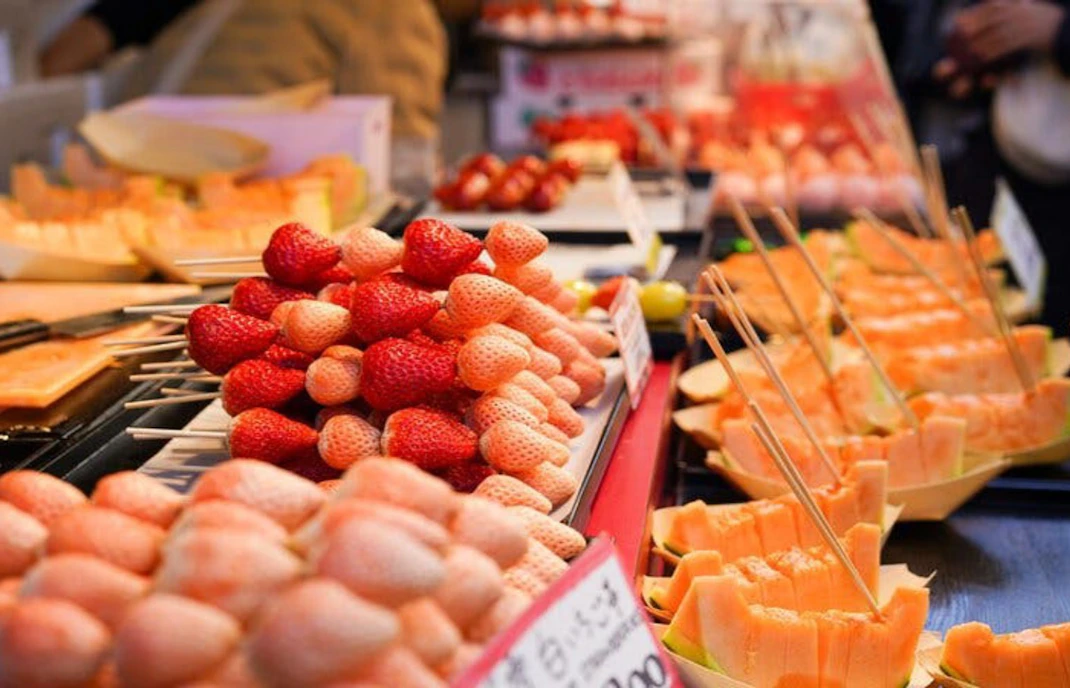
The food halls are as useful as the restaurants

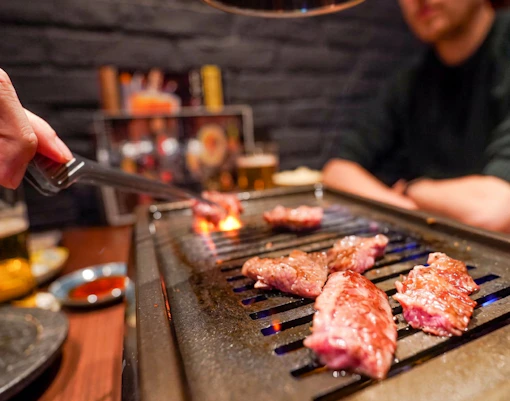
Ginza Mitsukoshi, Matsuya Ginza, and other depachika make Ginza one of the easiest places in Tokyo to eat well without booking a formal meal. They also work well for takeaway lunches.

You can walk into other major districts fast

From the Wako clock tower area, Tsukiji, Yurakucho, Hibiya, and Marunouchi all sit within a manageable walk. That makes Ginza a practical bridge between shopping, markets, gardens, and business-district architecture.

The district changed after the 1872 fire and never stopped rebuilding

A major fire in 1872 pushed Ginza toward brick Western-style rebuilding, and the area kept evolving into Tokyo’s showroom district for fashion, architecture, and department stores. Today’s polished streetscape is part of that long commercial reset.

Best ways to explore Ginza

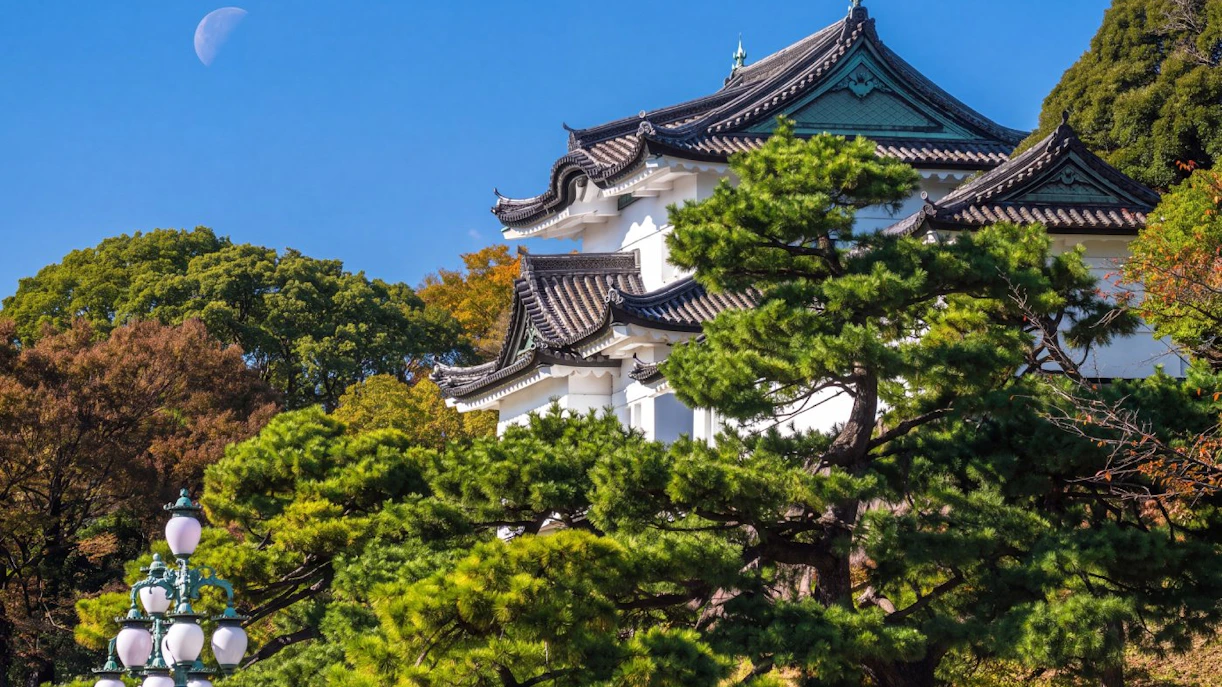
Ginza's compact grid rewards walking — the gap between Kabuki-za in Higashi-Ginza and the Chuo-dori spine is under ten minutes, and most of the district's key spots sit within that range. For a broader sweep that combines the neighborhood with its most immediate neighbor, the Tokyo: Imperial Palace East Gardens & Edo Castle Guided Walking Tour gives you the historical weight of the palace grounds paired with Ginza's polished retail energy in a single outing.

Pro tip

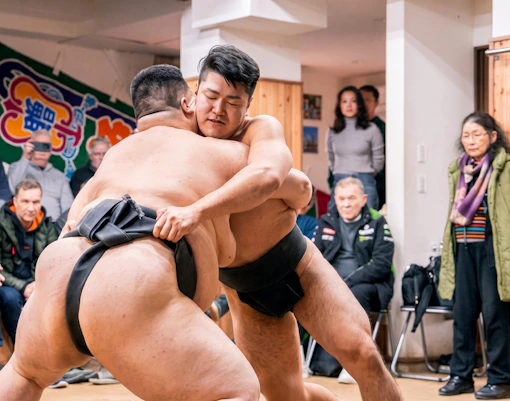
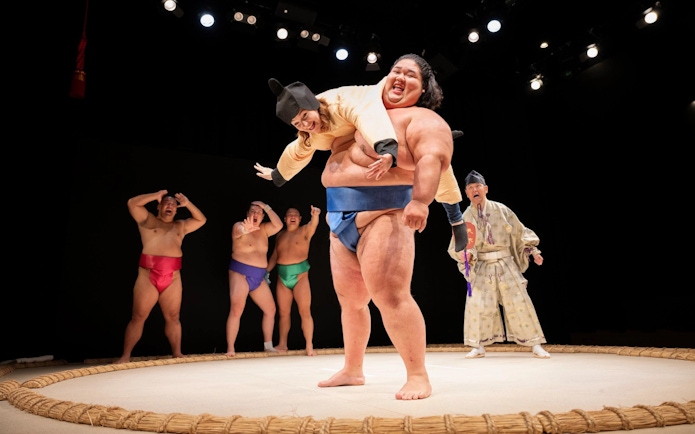
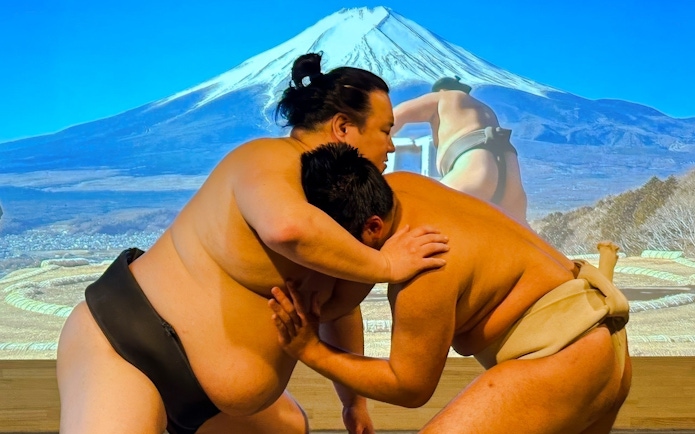
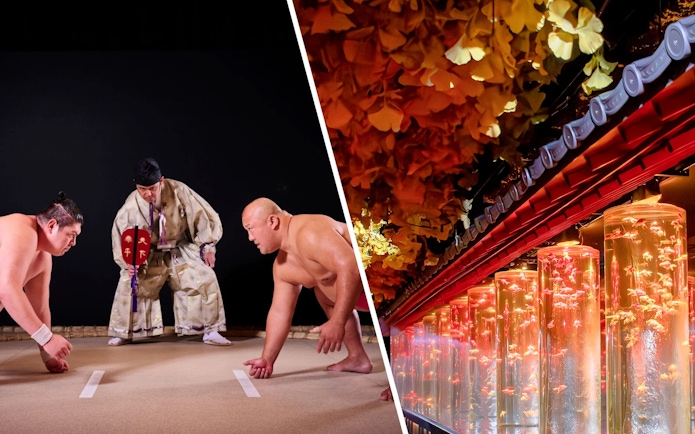
If you want Ginza to feel like more than a shopping district, pair the Sumo Show & Kaiseki Dinner on a Full-Scale Ring — The Elegant Evening · Ginza, Central Tokyo with the Tokyo: Imperial Palace East Gardens & Edo Castle Guided Walking Tour.
CTA labels: Book Ginza sumo dinner show and Book Imperial Palace East Gardens tour.

Plan your visit

Pro tip

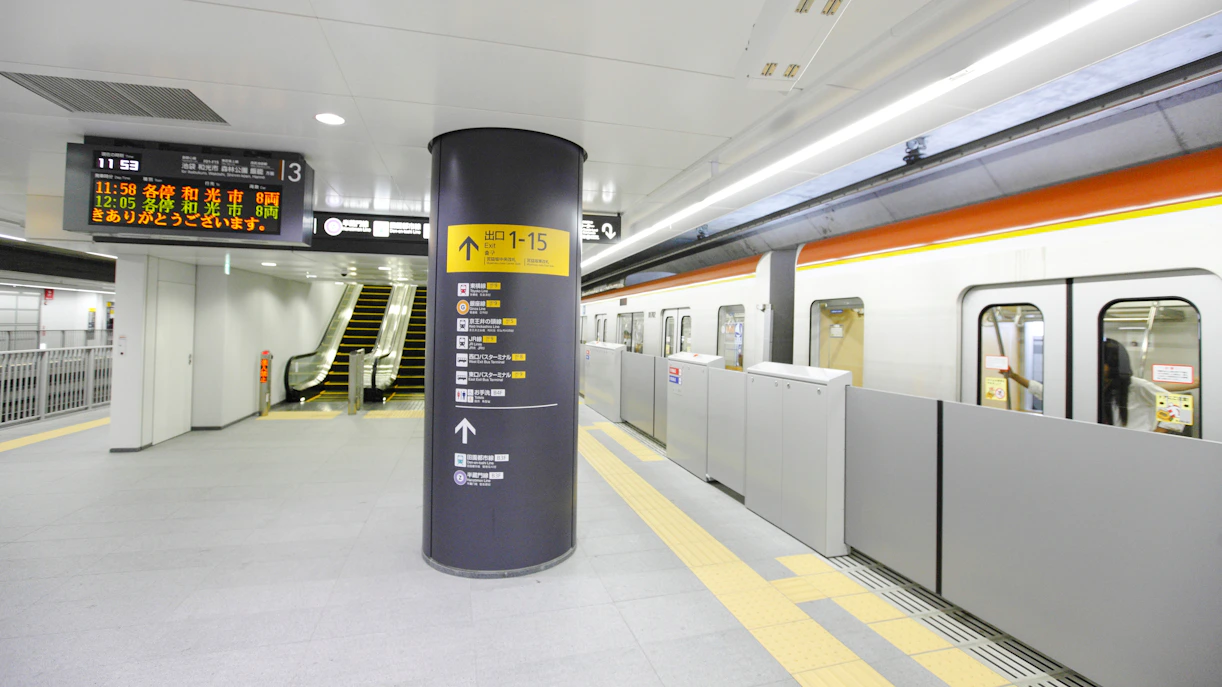
If Ginza is one of several central districts on your plan, Tokyo Subway Tickets for 24/48/72 Hour (Physical Ticket) are the cleanest fit because Ginza Station sits on multiple useful Metro lines and Higashi-Ginza connects easily east and south.

Free things to do in Ginza

Suggested itinerary for visiting Ginza

Ginza is easy to cover because the street plan is orderly and mostly flat. The cleanest route runs east to west, starting around Higashi-Ginza and finishing near Yurakucho or Hibiya.

Best for: Travelers squeezing Ginza between other central Tokyo stops.
Total time: 75–90 minutes.

  1. Kabuki-za Theatre (20 minutes)
    Check the facade, lanterns, and forecourt before the midday crowds.
    Optional upgrade: Return later for a full performance.
    Tip: Arrive from Higashi-Ginza Station so you begin at the eastern edge and don’t double back.

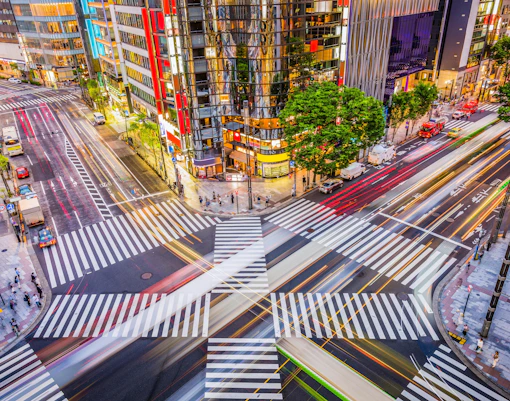
  2. Ginza 4-chome crossing and Wako area (20 minutes)
    Walk west toward the district’s best-known intersection and take in the clock tower and flagship storefronts.
    Optional upgrade: Step into nearby department stores for a quick basement-food-hall browse.
    Tip: Pause on a side corner, not the main crossing itself, if you want cleaner photos.

  3. Ginza Six Garden (25–30 minutes)
    Finish with a rooftop stop that gives you breathing room after street-level walking.
    Optional upgrade: Stay in the building for coffee or a short shopping pass.
    Tip: This works best before the dinner rush fills the lifts.

Tips

  • Use Higashi-Ginza Station for Kabuki-za Theatre and eastern Ginza, and Yurakucho Station for western Ginza and a faster exit toward Tokyo Station. The district is compact, but the wrong arrival point wastes time.

  • If you want a better food-value stop than a formal lunch, go straight to the depachika at Ginza Mitsukoshi or Matsuya Ginza. You’ll get more variety, less waiting, and clearer prices than on many upper-floor restaurant levels.

  • For free views, skip the first obvious photo stop and go up to Ginza Six Garden or Tokyu Plaza Ginza KIRIKO Terrace. Both give you cleaner sightlines than street-level photos at Ginza 4-chome.

  • The easiest way to add a food stop is to walk to Tsukiji Outer Market before noon, then return to Ginza. It’s close enough to feel like part of the same outing, not a separate excursion.

  • If Chuo-dori feels too polished or too crowded, move one or two blocks over to Namiki-dori and the smaller lanes around Ginza 6–8 chome. That’s where the district shifts toward bars, cafés, and dinner rooms.

  • Book Art Aquarium Museum Ginza Tickets ahead for weekends and rainy days. It’s one of the few indoor Ginza activities that can absorb a sudden weather change without wrecking your route.

  • If you’re using public transport heavily, a Tokyo Subway Ticket is more useful for Ginza than relying on JR alone. Ginza Station and Higashi-Ginza Station put you closer to the district’s actual sights than the nearest JR platforms.

  • For cleaner photos of Kabuki-za, go before 10am. By late morning, tour groups, delivery activity, and regular foot traffic make the forecourt much harder to frame.

Best photo spots in Ginza

Ginza 4-chome crossing at blue hour

Ginza 4-chome crossing at blue hour

Stand on the outer pavement facing the Wako clock tower and angle slightly north so the crossing stripes lead into the frame. Shoot just after sunset when the signs are lit but the sky still holds color.

Kabuki-za forecourt in morning light
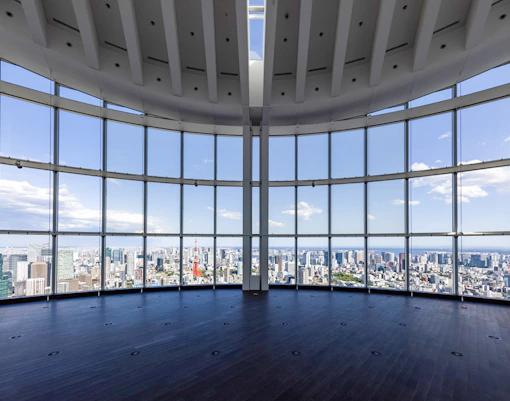
View from Ginza Six Garden at sunset
Tokyu Plaza Ginza terrace after dark
Namiki-dori street on a rainy evening

Dining in Ginza

Pro tip

If you want one Ginza food splurge, book Tempura Kondo and order a seasonal vegetable-focused tempura course — it shows how seriously Ginza treats ingredients that other places use as sides.

Should you stay in Ginza?

Short answer: Yes, if you want a central, polished base with strong food and transport links. The trade-off is price: hotels skew expensive, and the district gets quieter late at night than Shinjuku.

  • The vibe — Early mornings in Ginza are orderly and almost office-like, especially around Chuo-dori before shops open. At night, Namiki-dori and the Ginza 7–8 chome lanes stay active, but the district never feels as loud as Shibuya or Kabukicho.

  • The logistics — Ginza has plenty of business hotels, upper-mid-range chains, and luxury properties, but very few true budget stays. Rooms are often compact, and you’re paying for the address as much as the square footage.

  • Who it’s for — Ginza suits couples, first-time visitors, shoppers, and travelers who want to walk to Tsukiji, Hibiya, or Marunouchi. It is less suited to backpackers, club-focused night owls, or anyone who wants hostel-heavy pricing.

  • Top recommendation — Look around Ginza 1-chome to Yurakucho if you want the best transport balance. This pocket gives you Metro plus JR access, easier links to Tokyo Station, and slightly calmer nights than the deeper restaurant lanes.

Explore other neighborhoods in Tokyo

Frequently asked questions about Ginza

No. Shopping is the obvious draw, but Ginza also works for kabuki, rooftop views, food halls, small galleries, and evening dining. If you don’t care about luxury retail, come for Kabuki-za, the depachika, and a meal.