Top things to do: Visit Tokyo City View, see exhibitions at the National Art Center Tokyo, walk through Tokyo Midtown and Hinokicho Park, explore Mori Art Museum
Best for: first-time visitors, contemporary art fans, couples, night owls
Time needed: 3–5 hours
Best time to visit: Weekday late afternoon into evening for museum time first, then city views after dark.
Nearby: Tokyo Tower, Azabu-Juban, Nogizaka, Akasaka, Nishi-Azabu, Hiroo
Top things to do in Roppongi
Pro tip
Use Nogizaka Station if you’re starting at the National Art Center Tokyo, and Roppongi Station if you’re starting at Roppongi Hills or Tokyo Midtown—doing this saves a lot of backtracking on foot.
Major museums sit within a short walk of each other
You can move from the National Art Center Tokyo to 21_21 DESIGN SIGHT, then on to Mori Art Museum, mostly on foot and without long transfers. Few Tokyo neighborhoods stack this many serious art spaces so tightly.
The skyline payoff is built into the neighborhood
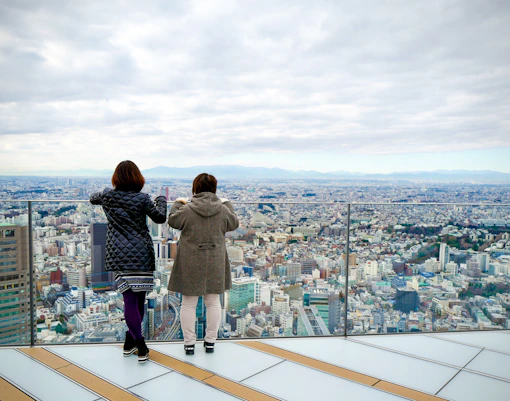
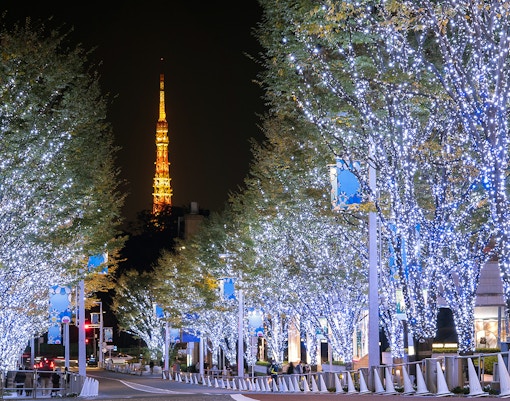
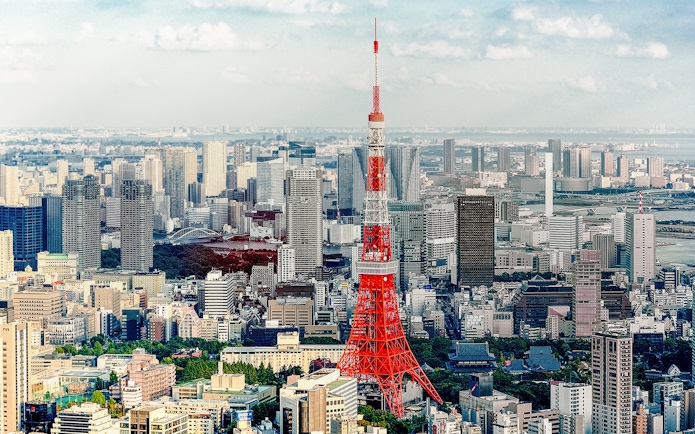
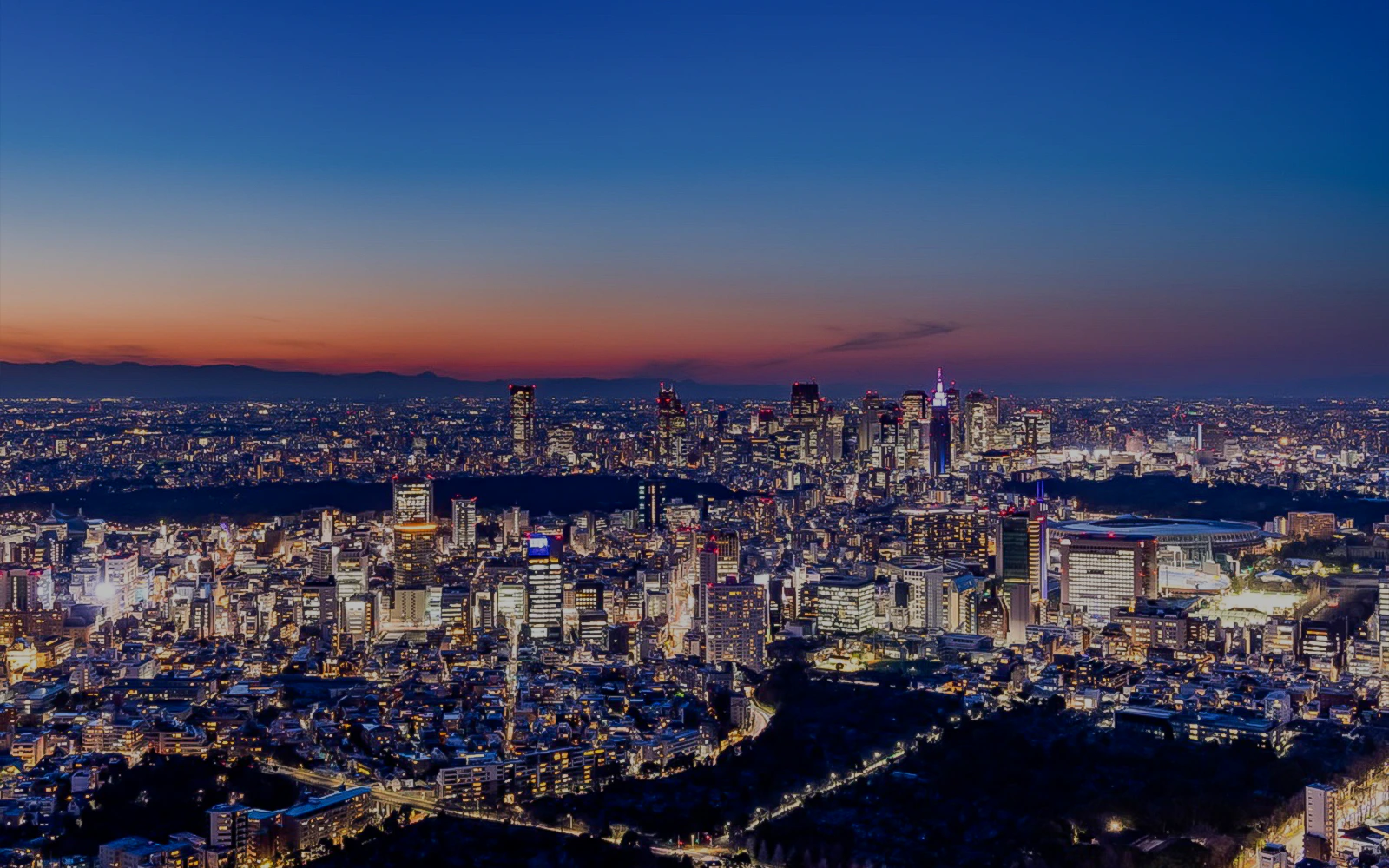
Tokyo City View sits right inside Roppongi Hills, so you don’t need a separate cross-city trip for a skyline stop. After dark, Keyakizaka and the streets below give you a second, cheaper perspective from ground level.
The 2003 Roppongi Hills redevelopment changed what the district is
Before Roppongi Hills opened, many visitors came mainly for bars and clubs. The tower, museum, shops, and public space shifted Roppongi into a district where art, dining, offices, and nightlife now overlap in one compact zone.
It works well in bad weather
Roppongi is one of the easier central Tokyo neighborhoods for a rainy-day plan because Tokyo Midtown, the National Art Center Tokyo, and Roppongi Hills give you long indoor stretches, food options, and ticketed sights without much exposure outside.
It’s practical for linking different parts of Tokyo
Roppongi Station sits on the Hibiya Line and the Toei Oedo Line, and Nogizaka Station gives you a Chiyoda Line option nearby. That makes it easy to connect Roppongi with Ginza, Ueno, Shibuya, or Azabu-Juban in the same day.
Best ways to explore Roppongi
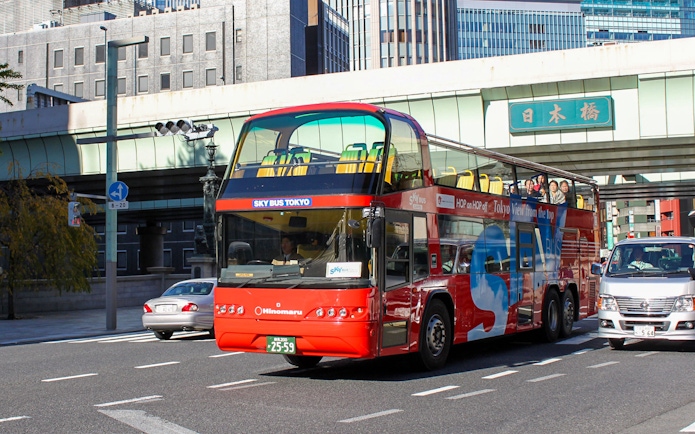
Roppongi's main draws cluster around three anchors — Roppongi Hills, Tokyo Midtown, and the National Art Center Tokyo — all within walking distance of each other. The slopes around Keyakizaka, the public art installations around Roppongi Hills, and the quieter museum stretch near Nogizaka are best covered on foot. For a broader city loop that extends beyond the neighborhood, the Sky Hop Bus: Tokyo Hop-On Hop-Off Bus Tour passes through central Tokyo and lets you combine Roppongi with other districts at your own pace.
Roppongi's dining options run from basement izakayas to high-floor restaurants inside Roppongi Hills and Tokyo Midtown. The nearest dedicated food tour area is Tsukiji, about 15 minutes away, making the Tsukiji Fish Market: Behind the Scenes & 10 Seafood Tastings a natural half-day pairing — market in the morning, Roppongi museums and galleries in the afternoon.
The most efficient Roppongi combo is the Tickets to Tokyo City View at the Roppongi Hills Observatory , which covers both the observation deck and Mori Art Museum entry in a single ticket — two of the district's main paid attractions without separate queues. For a wider multi-attraction day, the Tokyo City Pass: Free Entry to teamLab Planets & 4 Top Landmarks bundles several major Tokyo sites and works well if you want to extend beyond Roppongi itself.
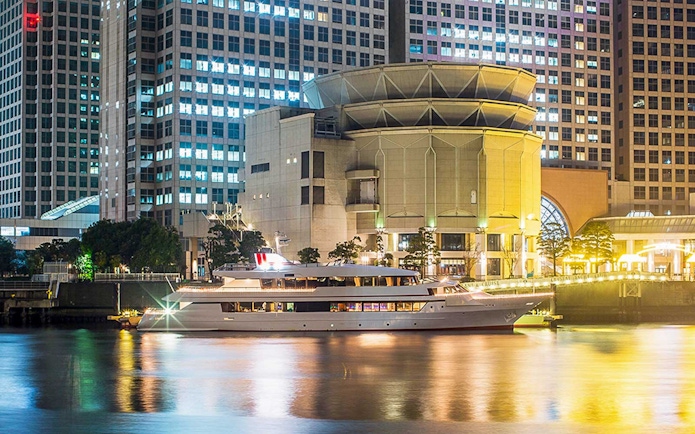
For something distinct from the museum circuit, the Luxury Dinner Cruise in Tokyo departs from the waterfront south of Roppongi and gives you city views from the water in the evening — a clean contrast to the observation deck angle from Mori Tower earlier in the day.
Pro tip
If Roppongi is your main evening stop, book Tickets to Tokyo City View at the Roppongi Hills Observatory for dusk, then keep Tokyo Tower Tickets or Tokyo Tower Top Deck Tickets for another day when you want a different skyline angle.
Plan your visit
Pro tip
Roppongi works especially well with Tokyo Subway Tickets for 24/48/72 Hour (Physical Ticket) because you’ll likely arrive on the Hibiya or Oedo lines and then continue to Ginza, Ueno, or Asakusa later. CTA: Get Tokyo Subway Tickets
Free things to do in Roppongi
Suggested itinerary for visiting Roppongi
Roppongi is compact enough to do well on foot, but it has two clear halves: the Nogizaka/Tokyo Midtown side and the Roppongi Hills/nightlife side. The best routes move westward or eastward once, rather than zigzagging between them.
Best for: You want one museum-area walk and one skyline stop without turning Roppongi into a full day. Total time: 1–1.5 hr
Roppongi Hills plaza (15 minutes) Start outside and look at the layout before going indoors—this helps the tower, museum, and street routes make sense. Optional upgrade: Add the public art walk around the complex. Tip: Arrive before dusk if you want to time the skyline transition.
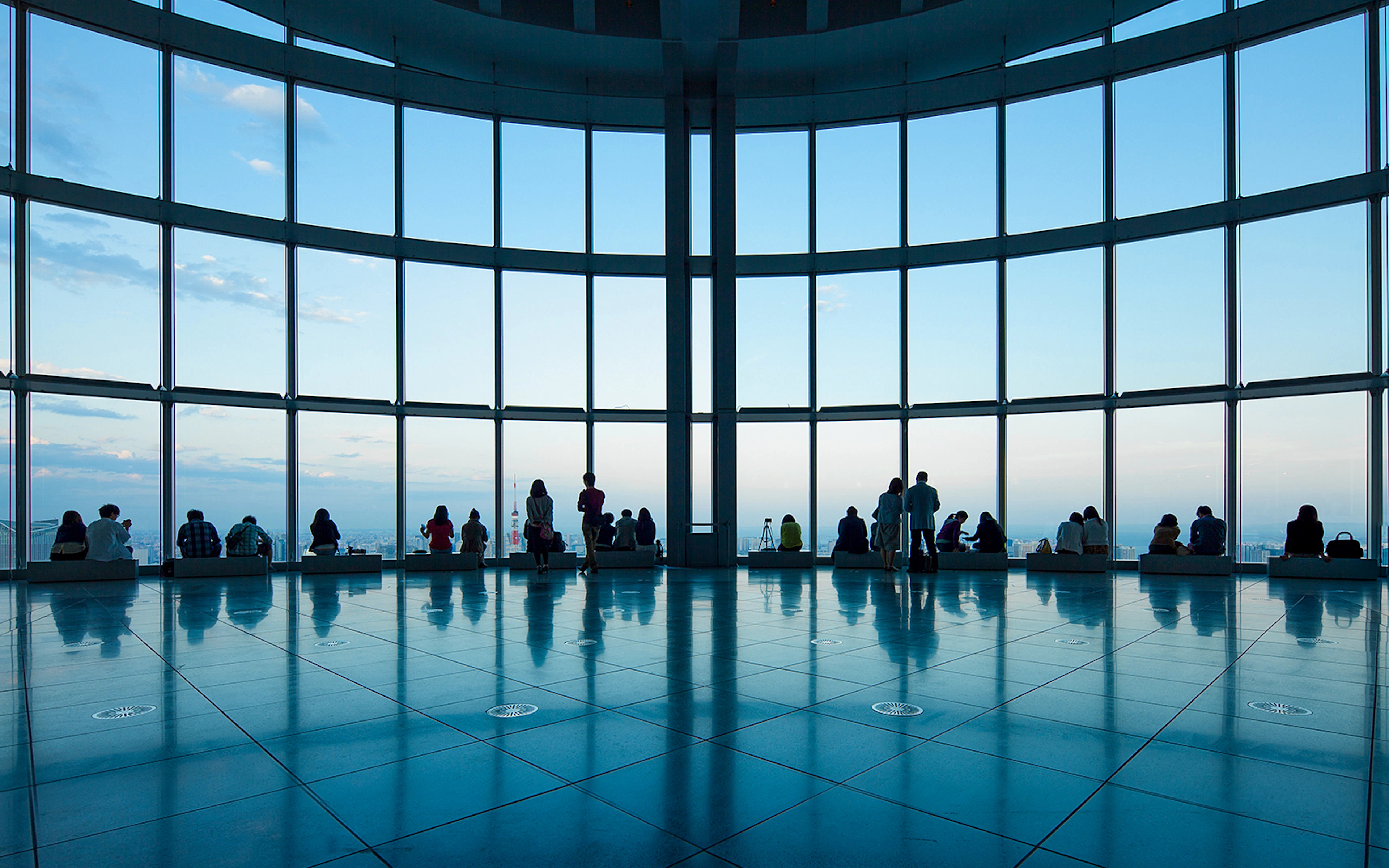
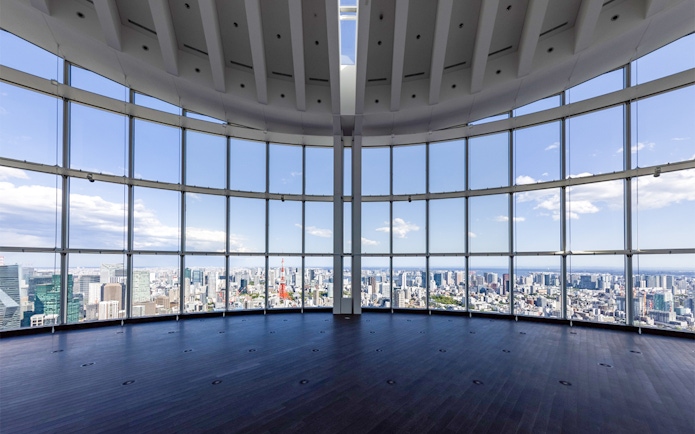
Tokyo City View (45 minutes) Head up for indoor city views facing Tokyo Tower, central Tokyo, and the western skyline. This is the one stop that gives you the neighborhood’s fastest payoff. Optional upgrade: Add Mori Art Museum if you have another hour. Tip: Go straight up first and save food for later.
Keyakizaka Street (20 minutes) Walk downhill for street-level photos and a final look back toward the tower-filled skyline. It’s the best short finish if you’re leaving after dark. Optional upgrade: Continue toward Tokyo Tower on foot if you still have energy. Tip: The best frames are after sunset, not before.
Tips
Use Roppongi Station for Roppongi Hills and Tokyo Midtown, but switch to Nogizaka Station if you’re starting at The National Art Center Tokyo. That one change makes the neighborhood feel much smaller on foot.
If you want the best sequence for paid sights, do museums first and Tokyo City View last. The skyline stop is stronger after dark, while the museums are easier to enjoy before dinner traffic builds.
Don’t eat your main meal right beside Roppongi Crossing unless you’ve checked prices first. For better-value lunch sets and easier seating, use the restaurant floors inside Tokyo Midtown.
For a free photo stop, walk to Keyakizaka Street after your observatory visit instead of trying to shoot through glass twice. You’ll get Tokyo Tower, traffic trails, and tower façades in the same frame.
If you need a break, the easiest restrooms and indoor cool-down points are inside Tokyo Midtown and Roppongi Hills. They’re more convenient than ducking into random nightlife venues.
The fastest way to waste time in Roppongi is by surfacing from the wrong station and then circling a huge complex looking for the right entrance. Pick your first stop before you leave the platform area.
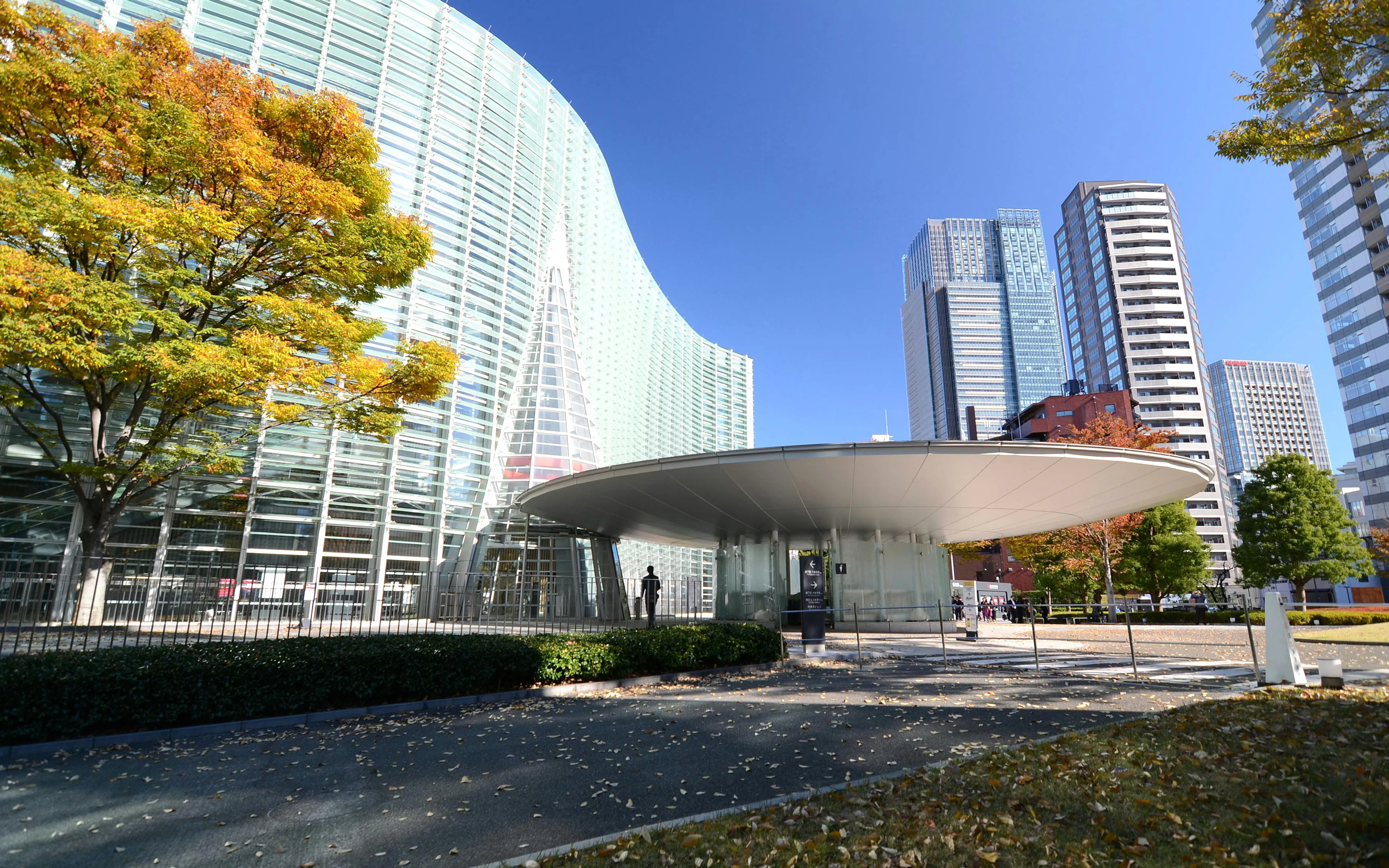
The National Art Center Tokyo is worth 15 minutes even if you don’t enter a paid exhibition. The glass façade and giant atrium are part of the visit, and many people rush past them.
If you’re staying late, check your last subway before you order a second round near Gaien-Higashi Dori. Roppongi is easy to enjoy after midnight, but getting home then usually means a taxi.
Best photo spots in Roppongi
Keyakizaka Street facing Tokyo Tower after dark
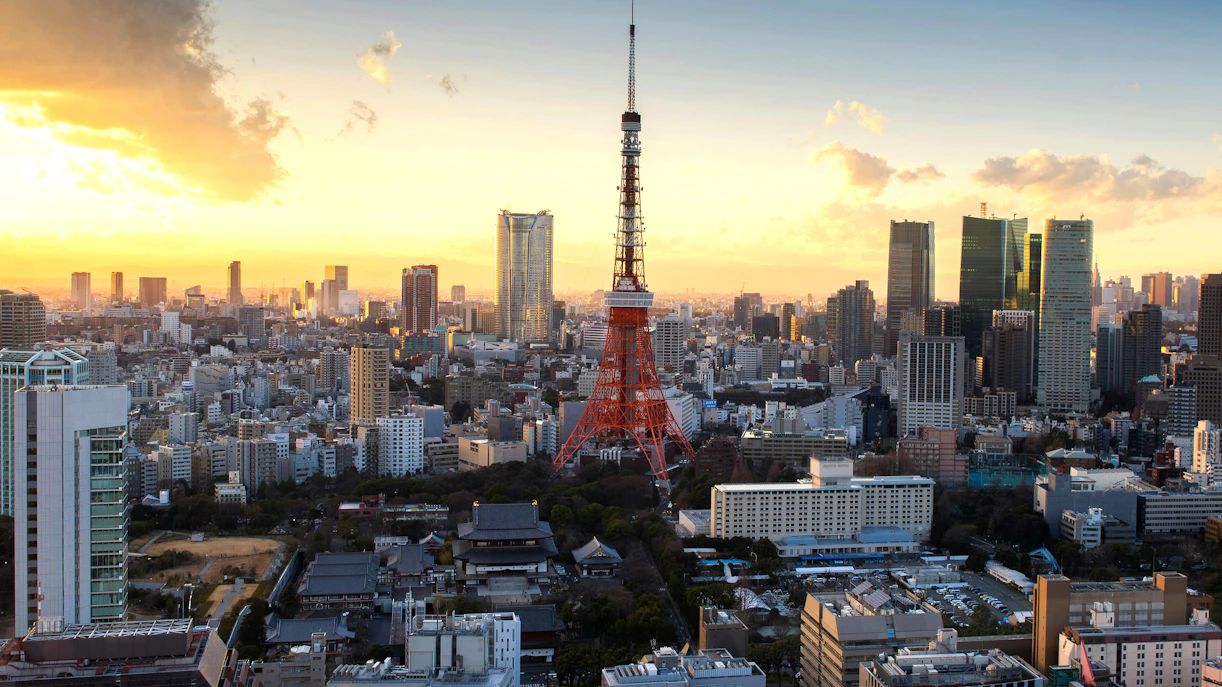
Stand on the downhill side of Keyakizaka and face south-east so Tokyo Tower sits between the road and the glass towers. Shoot after sunset when the tower is lit and car lights start streaking through the frame.
Dining in Roppongi
4. Pro tip
For a late meal that still feels local to the neighborhood, order a bowl of udon at Tsurutontan Roppongi rather than defaulting to the first bar menu you see near the crossing. The richer bowls, especially curry-based ones, make more sense after a long museum-and-walking day.
Should you stay in Roppongi?
Short answer: Yes, if you want art, nightlife, and a central base with late evenings. The trade-off is higher prices and a less traditional neighborhood feel than areas like Asakusa or Yanaka.
The vibe — Early mornings are clean, quiet, and businesslike around Tokyo Midtown and Nogizaka, while nights around Roppongi Crossing and Gaien-Higashi Dori are louder, brighter, and more bar-focused. Where you book inside the district matters more here than in many other Tokyo neighborhoods.
The logistics — Roppongi has a good spread of upscale hotels, serviced apartments, and international-friendly business stays, but fewer budget options than Asakusa or Ueno. You’re paying for centrality, late-night convenience, and walkable access to museums rather than for old-Tokyo atmosphere.
Who it’s for — It suits couples, solo travelers comfortable in nightlife districts, business travelers, and visitors who want art by day and drinks by night. It suits families less well if you want playground-heavy days or cheaper, quieter evenings.
Top recommendation — Book on the Tokyo Midtown / Nogizaka side if you want quieter nights and easier museum access, especially in a business hotel or upscale chain. Choose the Roppongi Hills side only if you plan to use the nightlife and don’t mind more late-night foot traffic.
Explore other neighborhoods in Tokyo
Frequently asked questions about Roppongi
No. Roppongi is one of Tokyo’s better daytime neighborhoods because The National Art Center Tokyo, 21_21 DESIGN SIGHT, Tokyo Midtown, and Mori Art Museum all work best before the nightlife crowds arrive. Night is when the district changes character, not when it becomes visitable.
A moderate self-planned day usually lands around ¥6,000–¥12,000 per person, depending on whether you pay for an observatory or museum entry. That can include subway rides, one paid attraction, lunch in Tokyo Midtown, coffee, and a drink later on. Dinner and cocktails can push that much higher quickly.
Choose Roppongi if you want contemporary art, a later night, and easier skyline pairings with bars. Choose Ginza if your priorities are department stores, polished shopping streets, and formal dining. Roppongi is the better neighborhood for mixing museums with after-dark plans.
Yes. It’s one of the easier central Tokyo districts to salvage on a wet day because you can string together The National Art Center Tokyo, Tokyo Midtown, and Roppongi Hills with relatively little outside exposure. Keep the park and street-photo stops as optional extras rather than core plans.
More than in many Tokyo neighborhoods, yes. Because of the hotels, offices, embassies, and nightlife trade, English-language menus and basic service English are easier to find here than in quieter residential districts. You’ll still find some smaller bars where pointing and simple Japanese help.
It can work in the daytime, especially if you focus on Tokyo Midtown, Hinokicho Park, and broad museum spaces. It’s less ideal as an evening base for families because the district’s identity shifts heavily toward bars, clubs, and late-night dining after dark.
Yes, and they’re easy to find. The simplest public restrooms are inside Tokyo Midtown and Roppongi Hills, while 7-Eleven, FamilyMart, and station areas are your easiest ATMs and basic-supplies stops.
For casual ramen, udon, and pub stops, usually no. For skyline restaurants, fine dining, and Friday or Saturday dinner in the Roppongi Hills or Tokyo Midtown area, yes—especially if you want a specific time rather than whatever is left.
Generally, yes—especially at night. Lunch can still be reasonable inside Tokyo Midtown or at quick-bite spots near the station, but drinks, cover charges, and upscale dining skew higher than in areas like Ueno or Asakusa.
They treat the district like a single block around Roppongi Crossing. In reality, the museum side near Nogizaka, the polished commercial side around Tokyo Midtown, and the late-night side near the crossing all feel different, so your first stop should shape your route.
Hinokicho Park
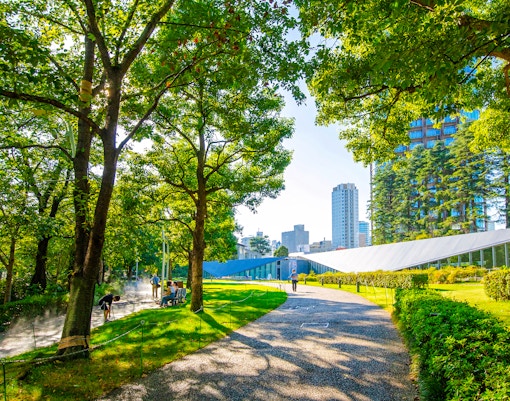
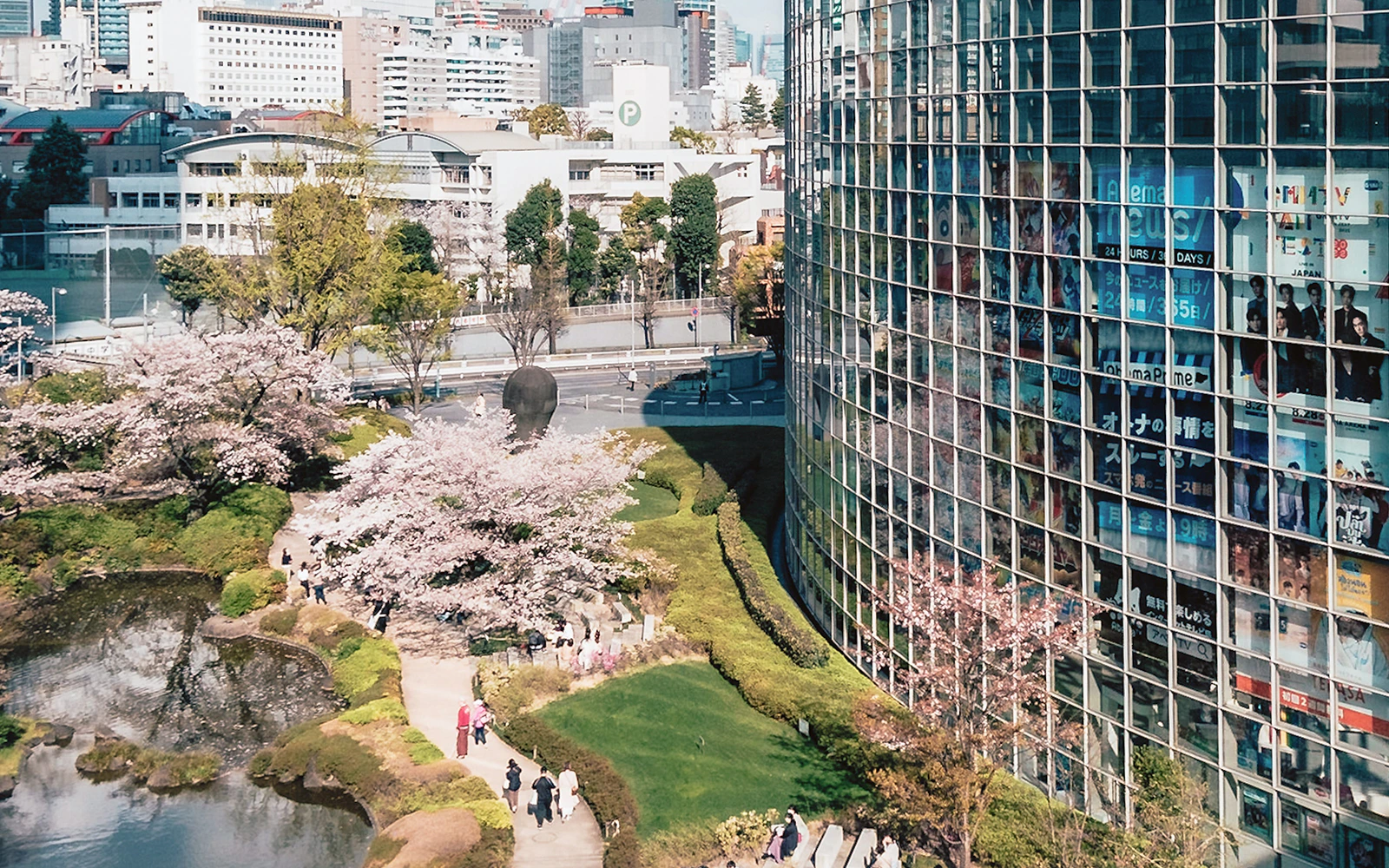
A small park beside Tokyo Midtown with lawns and a pond — useful as a short reset between museum stops rather than a destination on its own.
Best for — Couples, short breaks, quiet walks.
Duration — 20–30 minutes.
Combine this with — Tokyo Midtown next door, or 21_21 DESIGN SIGHT 3 minutes on foot.
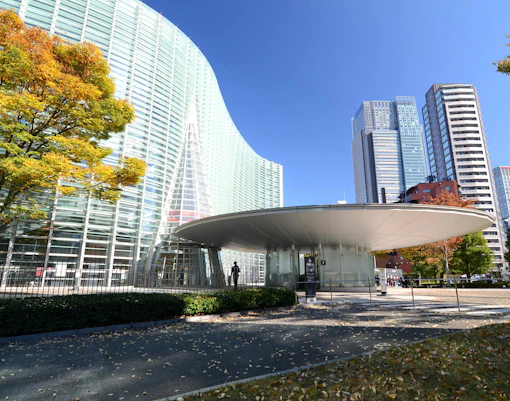
The National Art Center Tokyo atrium and exterior
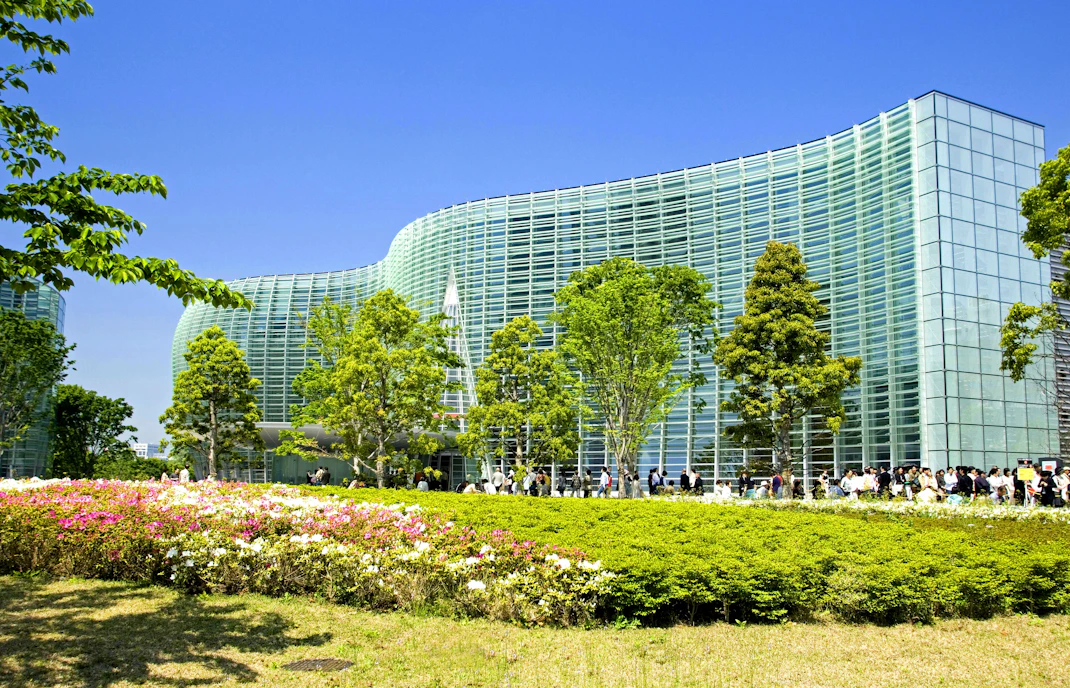
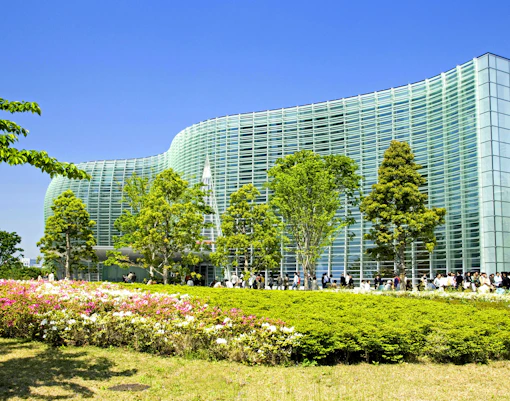
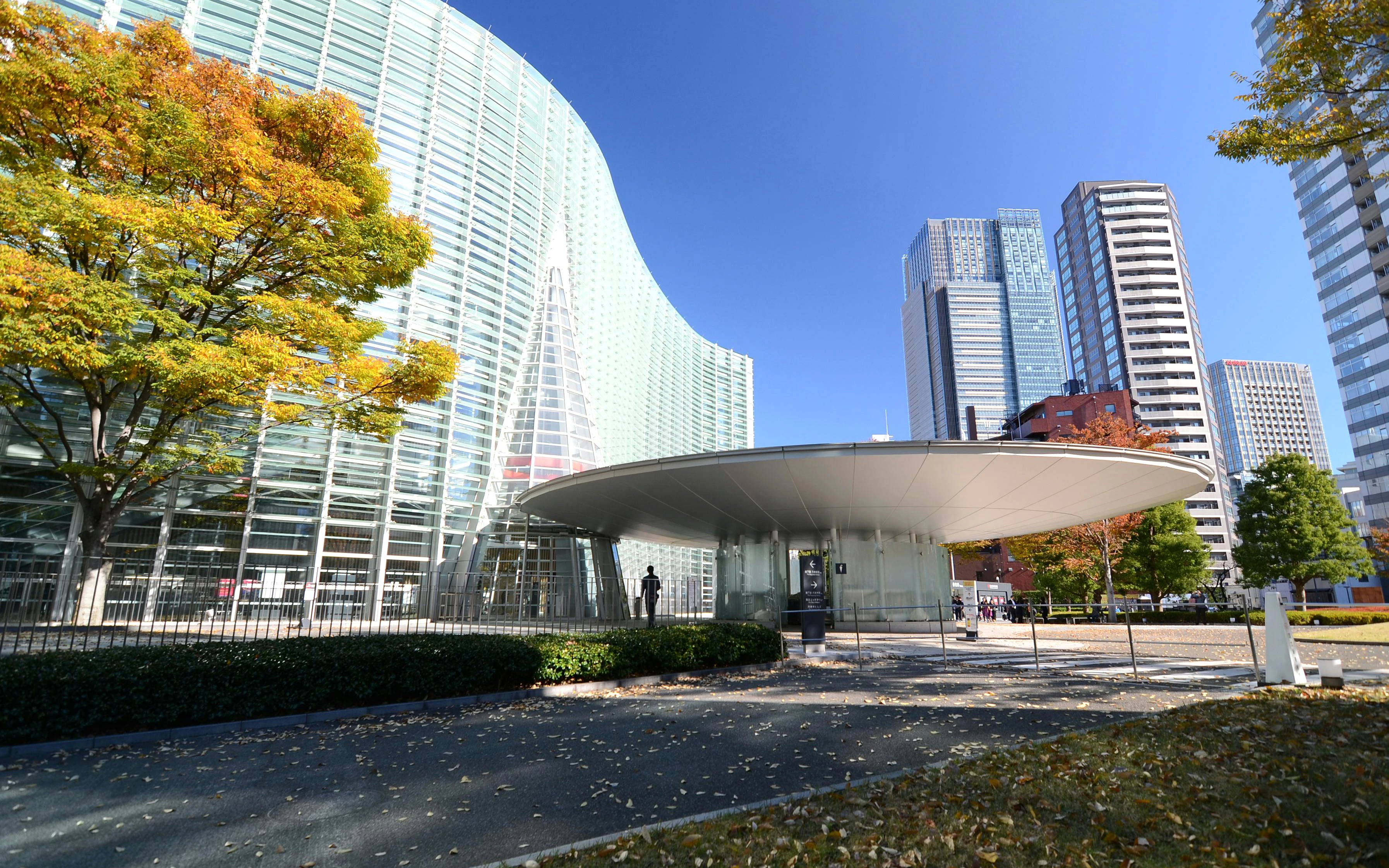
The glass façade, concrete interior cones, and public circulation spaces are worth seeing even without a gallery ticket. One of the most photogenic free architectural stops in the district.
Best for — Architecture fans, photographers.
Duration — 20–30 minutes.
Combine this with — Tokyo Midtown 8 minutes on foot, or 21_21 DESIGN SIGHT for a design-focused follow-up.
Roppongi Hills public art walk
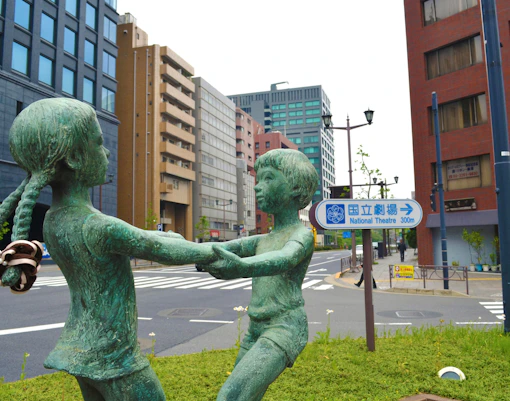
Sculptures, plazas, and changing visual details fill the open spaces around Roppongi Hills — easy to miss if you head straight for the lifts.
Best for — Urban design fans, casual walkers.
Duration — 30–45 minutes.
Combine this with — Mori Garden 3 minutes on foot, or Keyakizaka Street for a street-level photo stop after.
Keyakizaka Street
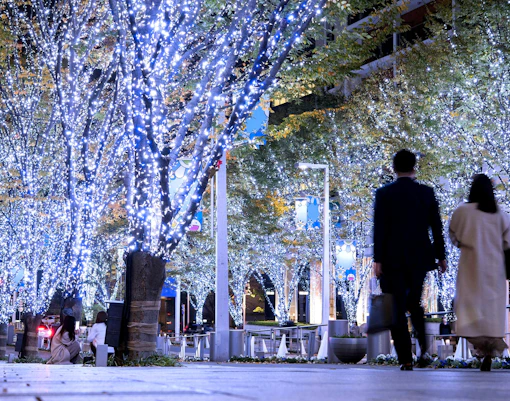
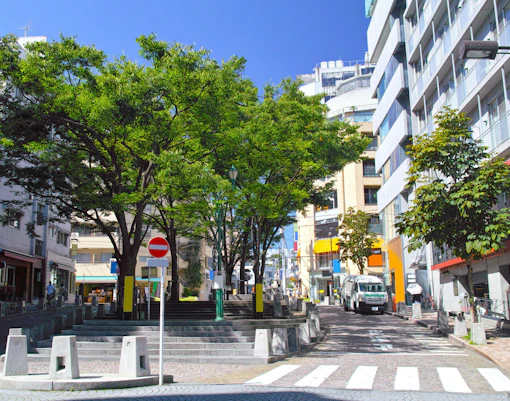
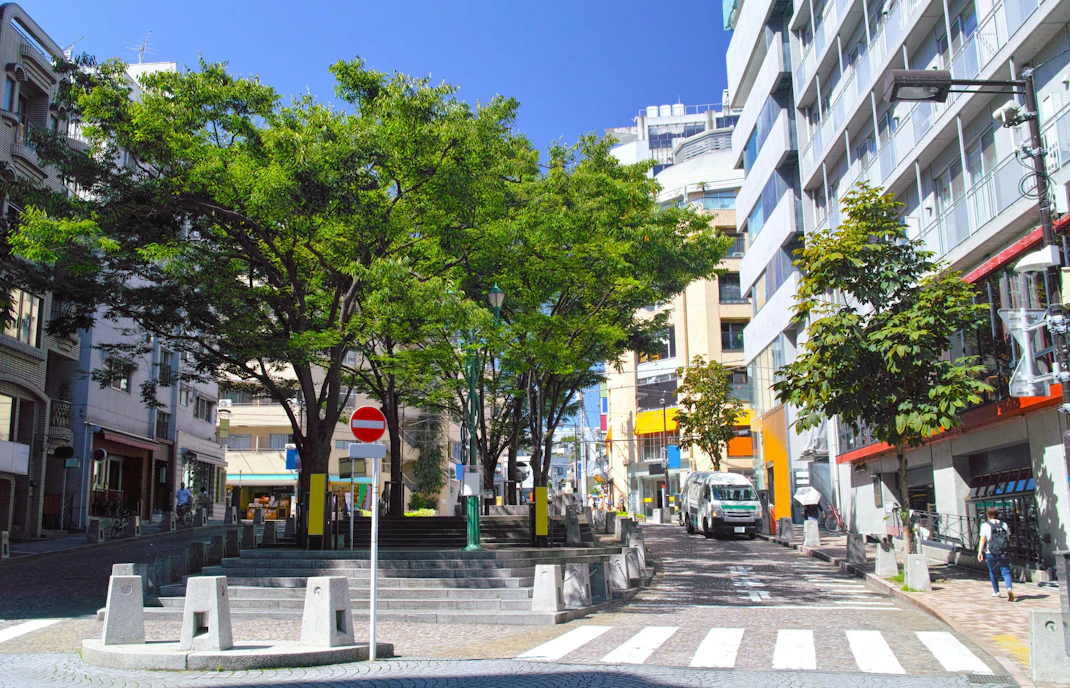
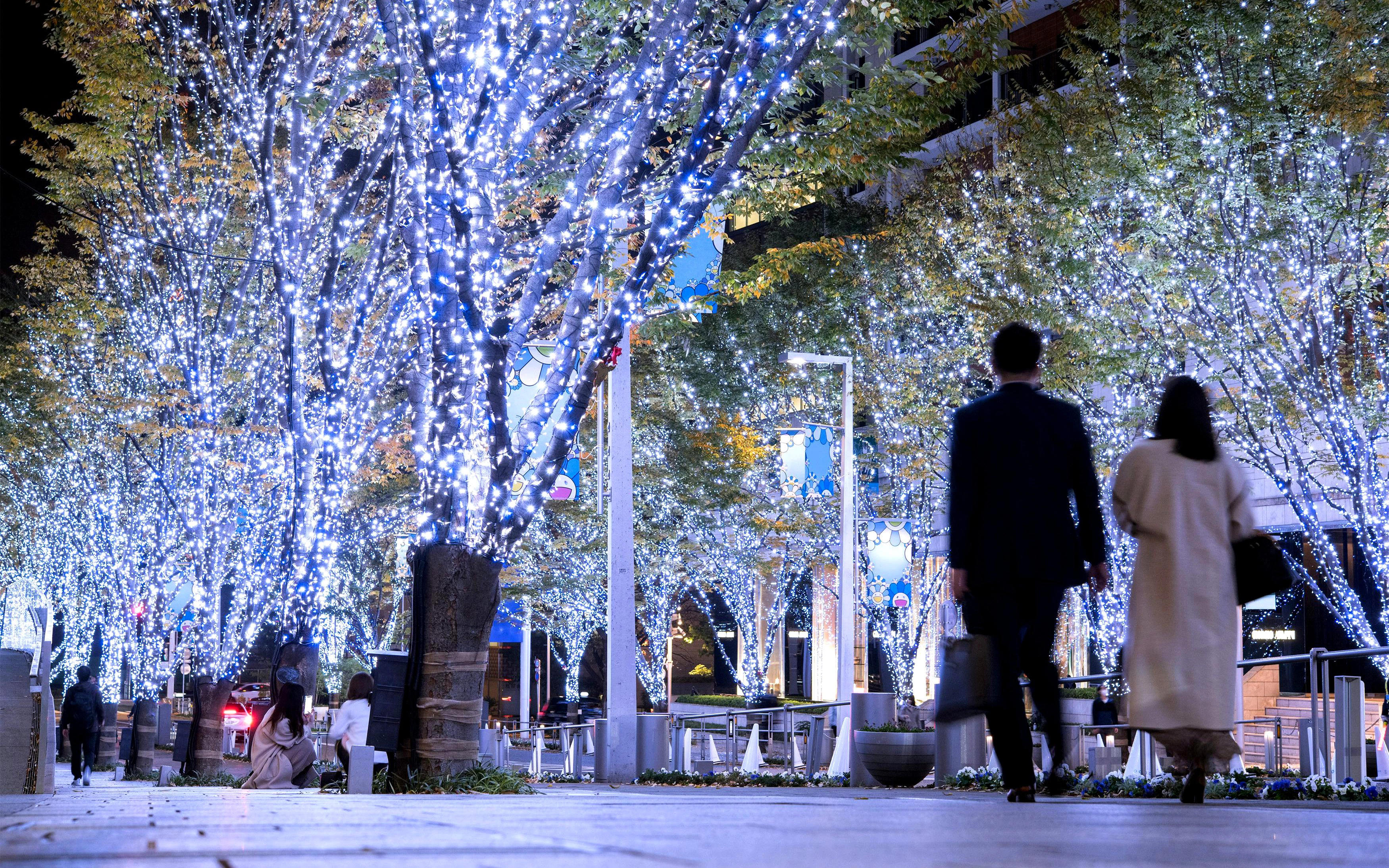
A sloping road that after dark gives clean sightlines toward Tokyo Tower between trees and glass buildings.Best for — Photographers, evening walkers, couples.Duration — 20–30 minutes.Combine this with — Roppongi Hills public art walk 5 minutes on foot, or Tokyo Tower as a paid evening add-on.
Tokyo Midtown Galleria and outdoor plaza
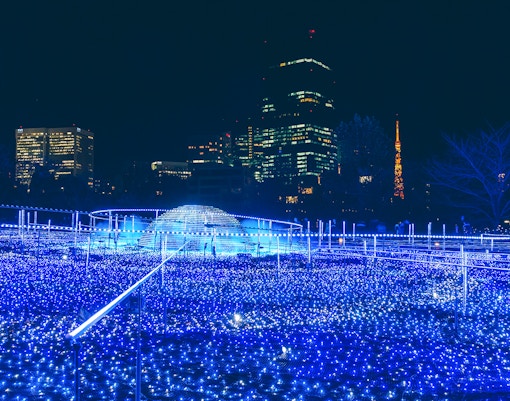
The public parts of Tokyo Midtown — outdoor plaza, seasonal installations, indoor galleria — are free to wander.
Best for — Rainy days, casual browsing, short indoor breaks.
Duration — 30–45 minutes.
Combine this with — Hinokicho Park next door, or The National Art Center Tokyo less than 10 minutes on foot.
Quick bites
Tsurutontan Roppongi Large-format udon bowls with rich options like curry udon or creamy mentaiko-style broths. Good for something more substantial than ramen, with late opening hours. Price range: ¥1,200–¥2,500 (single bowl or set meal) Location note: Near Roppongi Crossing
Ippudo Roppongi Tonkotsu ramen with thin noodles and pork broth. A dependable quick stop before or after a museum route. Price range: ¥1,000–¥1,800 (ramen and add-ons) Location note: Close to Roppongi Crossing station area
Cafés
Toraya Tokyo Midtown Store Wagashi, matcha, and seasonal sweets rather than quick coffee. A calmer stop than most of the district's nightlife-facing venues. Price range: ¥800–¥2,000 (tea and sweets) Location note: Inside Tokyo Midtown
Toshi Yoroizuka Midtown Pastries, plated desserts, and café drinks with a patisserie focus. Best as an afternoon break after the museums. Price range: ¥1,200–¥2,500 (dessert and drink) Location note: Inside Tokyo Midtown
Fine dining
The Moon Full meals with a skyline backdrop high above Roppongi. The value is in the view-and-meal pairing rather than the food alone. Price range: ¥6,000–¥15,000 (set meals or dinner) Location note: Roppongi Hills Mori Tower upper floors
Union Square Tokyo American-style grill and seafood with polished service. Works well for long lunches or business dinners. Price range: ¥3,500–¥10,000 (lunch through dinner) Location note: Tokyo Midtown
Pubs and drinking
Two Dogs Taproom Craft beer on tap, pizza, and a casual crowd. Good if you want a beer-focused night without committing to Roppongi's louder venues. Price range: ¥1,000–¥3,500 (pints and bar food) Location note: Near Roppongi Station
BrewDog Roppongi IPAs, stouts, burgers, and the familiar BrewDog lineup. A reliable start if your group wants easy English-language ordering. Price range: ¥1,200–¥4,000 (beer and bar meal) Location note: Close to the main station area
Azabu-Juban
A short walk south-west of Roppongi, Azabu-Juban swaps towers for lower streets, traditional sweet shops, and a slower dinner scene.
Akasaka
Head north to Akasaka for office-district lanes, shrine stops, and restaurant-heavy streets that feel more local after work.
Ginza
If Roppongi gives you museums and night views, Ginza gives you department stores, Kabuki-za, and some of Tokyo’s strongest high-end dining addresses.
Shibuya
Go west for Shibuya Crossing, Miyashita Park, and a denser youth-and-retail atmosphere than Roppongi’s more polished towers.
Shinjuku
Choose Shinjuku for Omoide Yokocho, Golden Gai, and a much bigger transport-and-nightlife machine than Roppongi.
Roppongi sits in central Tokyo between Azabu-Juban, Akasaka, and Nishi-Azabu, with Roppongi Crossing as the easiest mental center point. Most visitors arrive via Roppongi Station on the Tokyo Metro Hibiya Line or Toei Oedo Line, then walk 5–10 minutes to either Roppongi Hills or Tokyo Midtown.
Primary route Use Roppongi Station if you’re heading to Roppongi Hills, Tokyo City View, or Tokyo Midtown first. It’s the most practical arrival point, and the walk from the station area to either complex is short.
Alternative route Use Nogizaka Station if your first stop is The National Art Center Tokyo. It gives you the cleanest museum-first arrival and avoids doubling back later.
Best transport add-on If you’re linking Roppongi with other central neighborhoods in the same day, Tokyo Subway Tickets for 24/48/72 Hour (Physical Ticket) are useful because the district sits on major subway lines rather than JR. CTA: Get Tokyo Subway Tickets
Walking distances from Roppongi Crossing
Roppongi Hills: 5–6 minutes
Tokyo Midtown: 6–7 minutes
The National Art Center Tokyo: 10–12 minutes
Azabu-Juban: 12–15 minutes
Tokyo Tower: 25–30 minutes
Weekday afternoons are the most balanced time for Roppongi because you can do museums before dinner and then stay on for skyline views or bars. Friday and Saturday nights are the busiest around Roppongi Crossing and the side streets off Gaien-Higashi Dori.
Early morning (8am–10am): Best for photographing the exterior of The National Art Center Tokyo and walking through Tokyo Midtown before lunch crowds build. This is also the quietest time to move between the district’s main buildings.
Midday (11am–2pm): Expect office-worker lunch traffic in Tokyo Midtown and around Roppongi Hills. If you’re here at peak lunch time, use it for a museum visit rather than bar-hopping or casual wandering.
Late afternoon (4pm–6pm): This is the sweet spot for starting at Mori Art Museum or finishing a museum route before heading to Tokyo City View. Light begins to shift, and the neighborhood’s daytime and nighttime sides start to overlap.
Evening (after 6pm): Come for Tokyo City View, Keyakizaka, restaurants, bars, and clubs. The district is most alive after dark, but it’s also noisier and pricier around the main nightlife streets.
The essentials — 2–3 hours: Enough for Tokyo City View, a short walk around Roppongi Hills, and one stop at Tokyo Midtown or The National Art Center Tokyo.
The ideal day — 4–6 hours: Gives you time for The National Art Center Tokyo, Tokyo Midtown, 21_21 DESIGN SIGHT, and Tokyo City View, plus a proper meal.
With guided tours — 2–4 hours: A guided neighborhood visit usually works best when focused on either art and architecture or nightlife and city views, rather than trying to cover both fully.
Tokyo City View / Roppongi Hills Mori Tower: Step-free access through the complex and lift access to the indoor observation floor. This ticket is for the indoor deck, which is the most straightforward part for visitors using mobility aids.
The National Art Center Tokyo: Step-free entrances, lifts, and accessible gallery circulation across the main public spaces. It’s one of the easiest museum buildings in the area to navigate.
Tokyo Midtown: The shopping and dining complex is step-free, with lifts and accessible restrooms throughout the main public areas. It’s a practical base for breaks, meals, and weather shelter.
21_21 DESIGN SIGHT: The route is easier than the sloping architecture suggests, but some visitors may still prefer to pair it with nearby fully step-free stops like Tokyo Midtown. Check current exhibition access on arrival.
Roppongi Station: Elevators are available, but some exits involve long underground corridors and changes in level. Allow extra time if you’re meeting others on the surface.
Street routes between the main sights: Pavements are generally manageable, but Roppongi’s wide roads and multi-level building entrances can make short distances feel longer than they look on a map.
Bar touts (around Roppongi Crossing and Gaien-Higashi Dori): This is Roppongi’s main tourist risk. Ignore anyone trying to steer you into a bar or club, especially if prices are vague or the menu isn’t visible outside.
Late-night overspending (nightlife strip between Roppongi Crossing and Nishi-Azabu): Cover charges and drink minimums climb quickly after dark. Check the menu and seating charge before you sit down.
Last-train timing (after midnight): Roppongi stays active later than the train network. If you’re still out after the last subway, expect to pay for a taxi.
Large intersections (Roppongi Crossing and the roads around Midtown): The district’s roads are wider and busier than the small side streets suggest. Use the formal crossings rather than cutting diagonally through traffic.
Intoxicated crowds (club closing time): The streets stay safe by big-city standards, but the atmosphere gets messier when venues empty. If you want a calmer route back, walk toward Tokyo Midtown or Nogizaka instead of lingering at the crossing.
Best for: You want art, architecture, and one good meal without getting pulled into a full nightlife plan. Total time: 3–4 hr
The National Art Center Tokyo (60–75 minutes) Start on the Nogizaka side and use your freshest hour for exhibitions and the building itself. The atrium deserves a few minutes even if you’re moving quickly. Optional upgrade: Focus on one major exhibition rather than trying to see everything. Tip: This is the easiest place to begin on a weekday.
21_21 DESIGN SIGHT (45 minutes) Walk over for a smaller, tighter design stop that changes pace after the huge scale of the National Art Center. Optional upgrade: Spend longer if the current exhibition matches your interests. Tip: Keep this flexible; some visitors only need 30 minutes here.
Tokyo Midtown lunch stop (45–60 minutes) Eat inside Tokyo Midtown rather than waiting until the nightlife side, where prices jump after dark. This is the cleanest point in the route for a proper sit-down break. Optional upgrade: Add dessert or tea before moving on. Tip: Lunch sets are usually better value than dinner menus.
Hinokicho Park (15–20 minutes) Take the short garden loop to reset before the second half of the route. It’s small, but it breaks up the concrete and indoor time. Optional upgrade: Sit briefly by the pond if the weather is good. Tip: This stop is skippable if it’s raining.
Tokyo City View or Mori Art Museum (60 minutes) Finish on the Roppongi Hills side with either the observation deck or a museum visit, depending on the time of day. If it’s nearing dusk, choose the view first. Optional upgrade: Do both if you’ve got another hour. Tip: For sunset timing, build in some waiting time.
Best for: You want to see Roppongi properly, eat well, and stay on into the evening without rushing. Total time: 6–7 hr
The National Art Center Tokyo (75–90 minutes) Begin here while the day still feels museum-shaped rather than nightlife-shaped. Focus on one or two exhibitions and the building itself. Optional upgrade: Add time for the museum café if you want a slower start. Tip: Starting here reduces later backtracking.
21_21 DESIGN SIGHT (45–60 minutes) Move across to a design-led stop that changes scale and tone. It keeps the morning focused without repeating the same type of gallery experience. Optional upgrade: Spend longer if the exhibition is temporary and immersive. Tip: This works best before lunch, when the area is still relatively quiet.
Tokyo Midtown lunch stop (60 minutes) Stop for lunch inside Tokyo Midtown, where you’ve got the widest choice before the evening crowds arrive elsewhere. Optional upgrade: Add a coffee or wagashi break after lunch. Tip: This is the best-value meal window of the day.
Hinokicho Park and Midtown plaza (20–30 minutes) Walk off lunch outdoors and use the open space as a visual break between galleries and towers. Optional upgrade: Stay longer during seasonal light installations. Tip: Keep it brief if you’re aiming for a sunset observatory slot.
Roppongi Hills and Mori Garden (30–40 minutes) Cross to the west side of the district and take in the public spaces before heading indoors again. This gives you a feel for Roppongi beyond lifts and ticket counters. Optional upgrade: Add the public art route around the complex. Tip: The garden is quieter than the main plaza.
Tokyo City View and/or Mori Art Museum (75–90 minutes) This is the anchor evening stop. Go for the view at dusk, then add the museum if you still want more indoor time. Optional upgrade: If you prefer art first, reverse the order and head to the deck as the lights come on. Tip: On clear winter evenings, visibility is usually better than in humid summer weather.
Azabu-Juban dinner or Roppongi night walk (60–90 minutes) Cross naturally into Azabu-Juban for a different dinner atmosphere, or stay in Roppongi for bars and late-night energy. This is the cleanest nearby-area extension because it’s a short walk rather than a transport hop. Optional upgrade: Keep walking toward Tokyo Tower if you want one more night view. Tip: If you stay in Roppongi for drinks, ignore street touts and choose places with visible menus.
Things to do in Roppongi
Crafted by Headout, a global experiences brand offering curated tours, tickets & experiences. Discover with ease, book with peace.
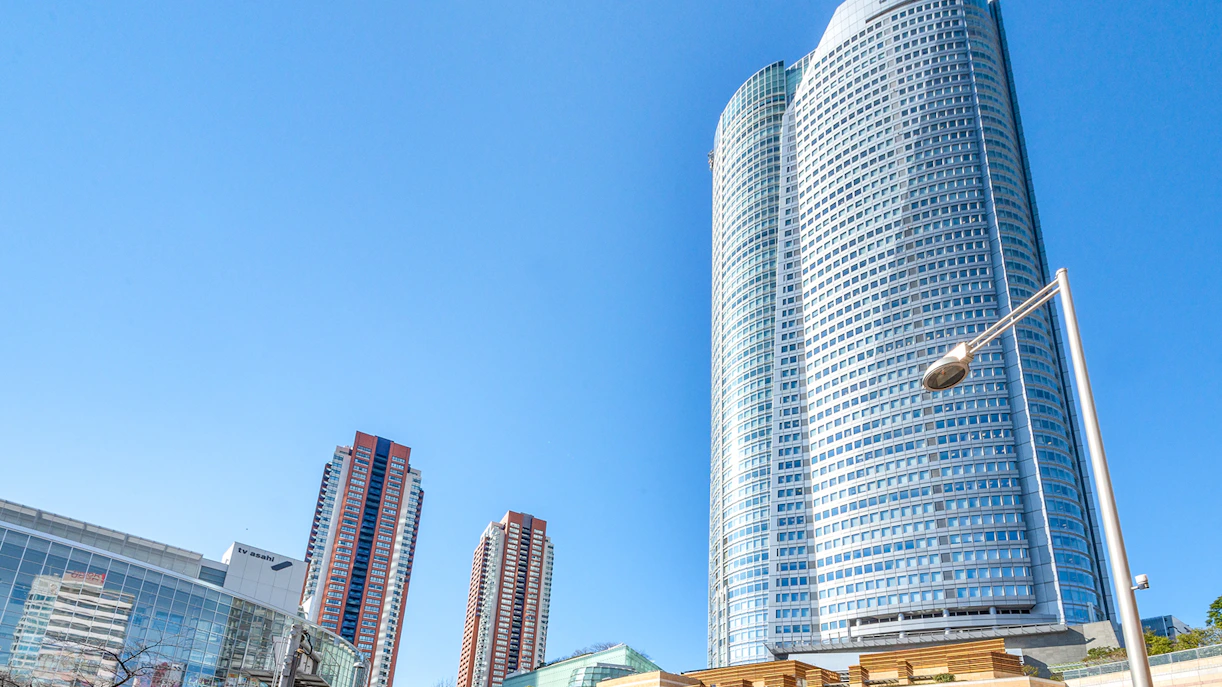
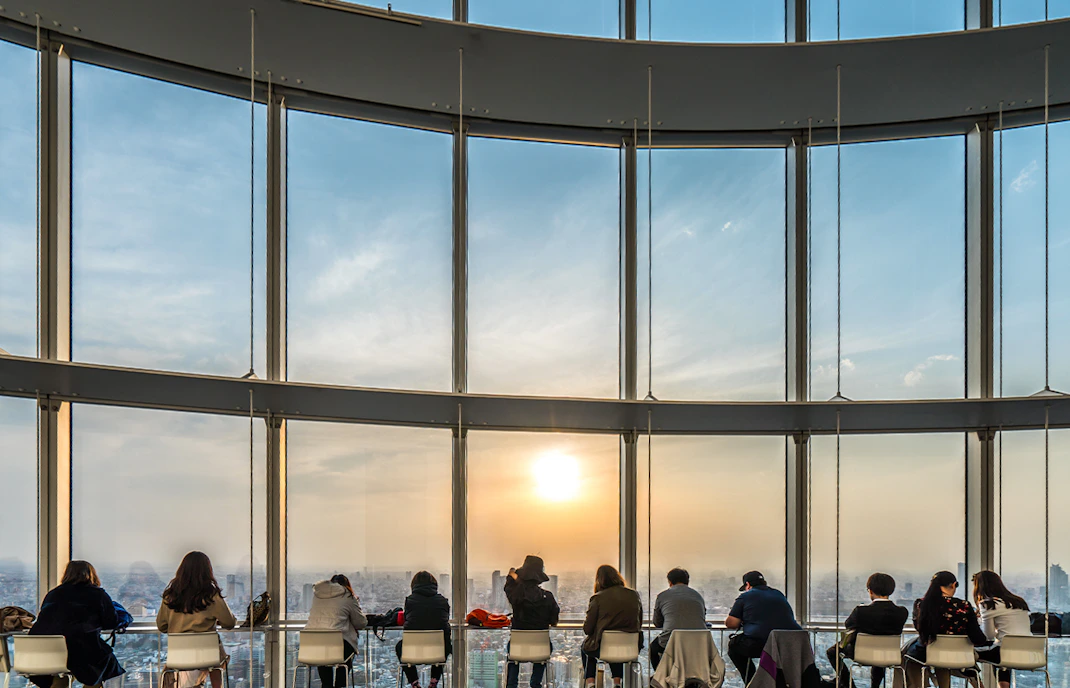
Tokyo City View
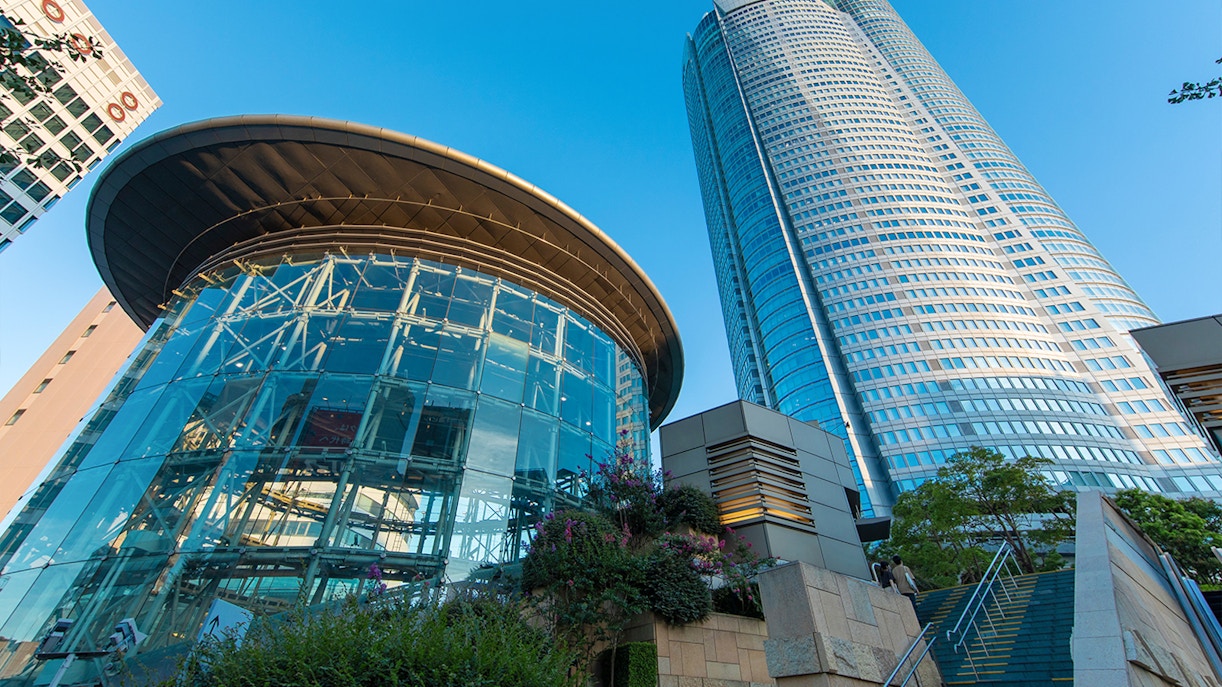
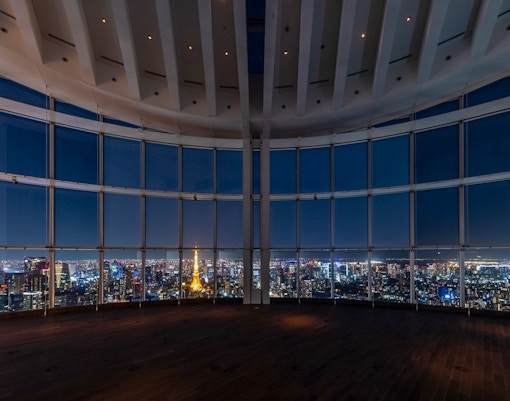
The indoor observation deck on the 52nd floor of Roppongi Hills Mori Tower looks across Tokyo Tower, Shinjuku's skyscrapers, and the bay on clear days — the cleanest single-stop skyline view in the neighborhood.
Best for — Skyline views, first-time visitors, evening plans.
Duration — 45–60 minutes.
Combine this with — Mori Art Museum in the same building, or Keyakizaka Street for a street-level Tokyo Tower view after seeing the city from above.
Explore experiences — Tickets to Tokyo City View at the Roppongi Hills Observatory
Mori Art Museum
Contemporary art museum in the same tower as Tokyo City View, mixing large-format international shows with architecture, photography, and installation work. Easy to fold into an evening plan.Best for — Contemporary art fans, repeat Tokyo visitors, rainy days.Duration — 1–1.5 hours.Combine this with — Tokyo City View on the same lift system, or Mori Garden 3 minutes on foot.Explore experiences — teamLab Planets TOKYO Tickets
The National Art Center Tokyo
A wave-glass facade, a vast concrete atrium, and rotating exhibitions with no permanent collection. The strongest daytime museum stop on the Nogizaka side of Roppongi.
Best for — Architecture fans, exhibition-goers, weekday visitors.
Duration — 1–2 hours.
Combine this with — Tokyo Midtown 8 minutes on foot, or 21_21 DESIGN SIGHT for a second design stop nearby.
Explore experiences — Sky Hop Bus: Tokyo Hop-On Hop-Off Bus Tour
Tokyo Midtown
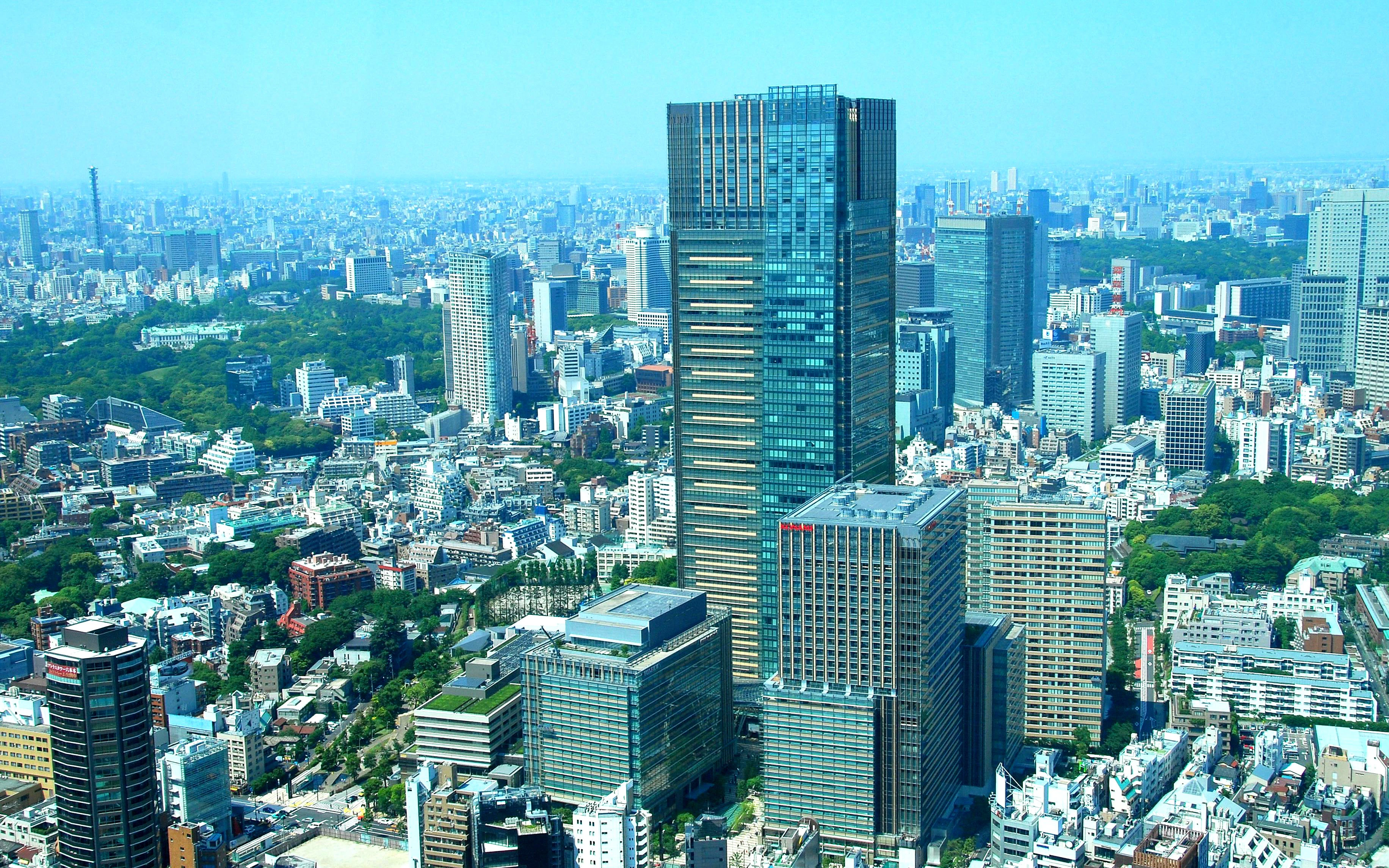
A polished mixed-use complex with restaurants, design stores, and open space around Hinokicho Park. Works well as a slower break between museums and night views.
Best for — Couples, food stops, shopping breaks.
Duration — 45–90 minutes.
Combine this with — Hinokicho Park directly beside the complex, or The National Art Center Tokyo less than 10 minutes on foot.
Explore experiences — Luxury Dinner Cruise in Tokyo
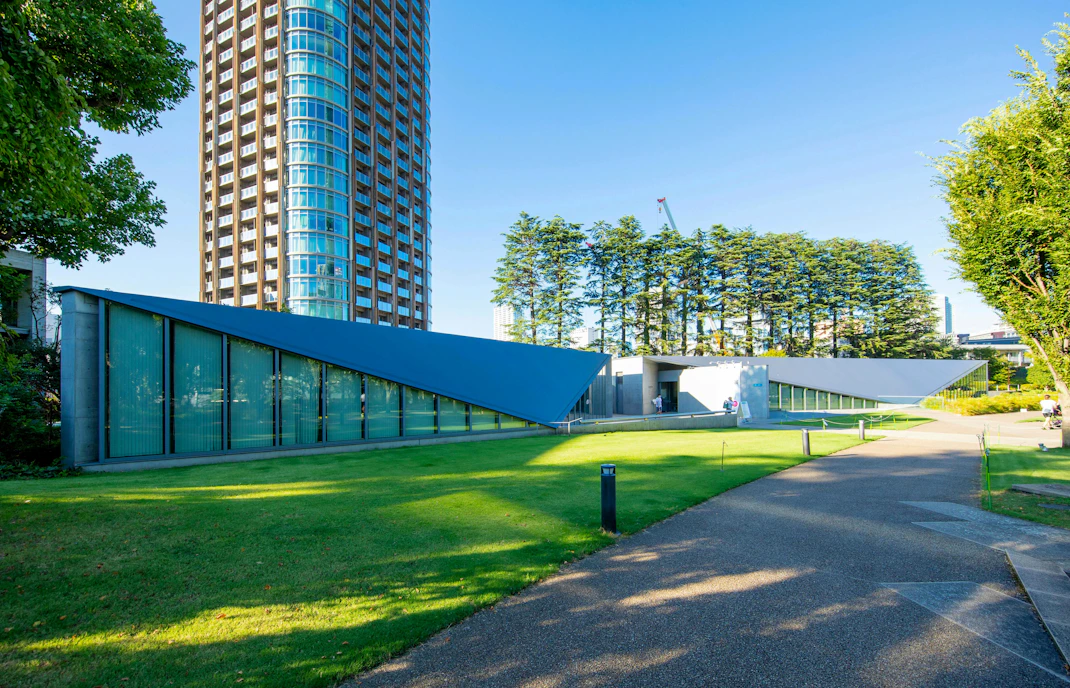
21_21 DESIGN SIGHT
A small, focused design museum near Tokyo Midtown inside a building designed by Tadao Ando. The right stop when you want something tighter than a major art museum.
Best for — Design fans, architecture watchers, half-day itineraries.
Duration — 45–60 minutes.
Combine this with — Tokyo Midtown 3 minutes on foot, or The National Art Center Tokyo for a museum-heavy route without backtracking.
Explore experiences — Tokyo City Pass: Free Entry to teamLab Planets & 4 Top Landmarks
Keyakizaka Street and the Roppongi Hills area
The slope around Keyakizaka gives you one of the district's best street-level looks at Tokyo Tower framed by traffic, trees, and glass towers — best after dark.
Best for — Photographers, evening walkers, couples.
Duration — 30–45 minutes.
Combine this with — Tokyo City View, 5 minutes on foot, or Mori Garden for a quieter contrast to the main road.