
Neighborhood at a glance

  • Why visit: For the full station-to-street Tokyo experience: Shibuya Crossing, Shibuya Sky, Center Gai, Miyashita Park, and food-and-drink lanes all sit within a compact walking area.
  • Atmosphere: loud, crowded, neon-lit, fast-moving
  • Top things to do: Walk Shibuya Crossing, go up Shibuya Sky, browse Miyashita Park, eat and drink around Center Gai and Nonbei Yokocho
  • Best for: first-time visitors, nightlife seekers, fashion shoppers, short-stay travelers
  • Time needed: 3–5 hours
  • Best time to visit: Late afternoon to evening for street activity, city lights, and rooftop views from Shibuya Sky
  • Nearby: Harajuku, Omotesando, Daikanyama, Meiji Jingu, Yoyogi Park, Ebisu

Top things to do in Shibuya

Pro tip

Use the Hachikō Exit for your first arrival. It leads directly to Hachikō Memorial Statue and Shibuya Crossing, making it the simplest way to orient yourself in the station area right away.


Quick navigation

🏛️ Why visit   | 🎟️ Best ways to explore   |🧭 Plan your visit   | 🌟 Free things to do  | 📋 Itinerary   | 💡 Tips   | 🍴 Dining


Why visit Shibuya

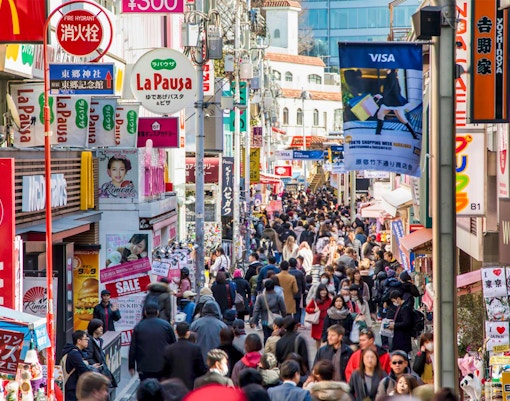
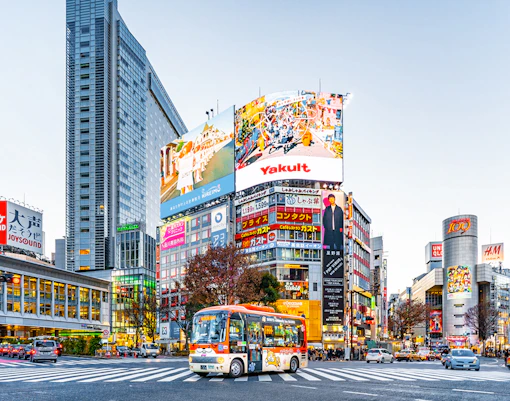
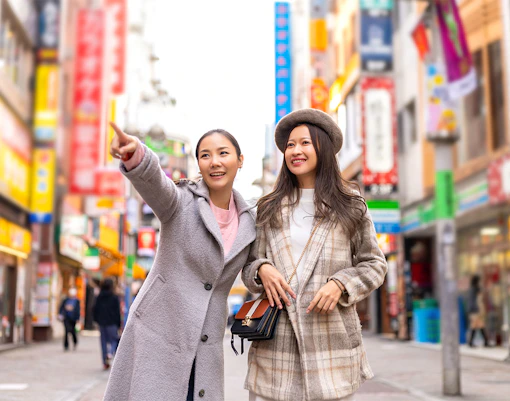
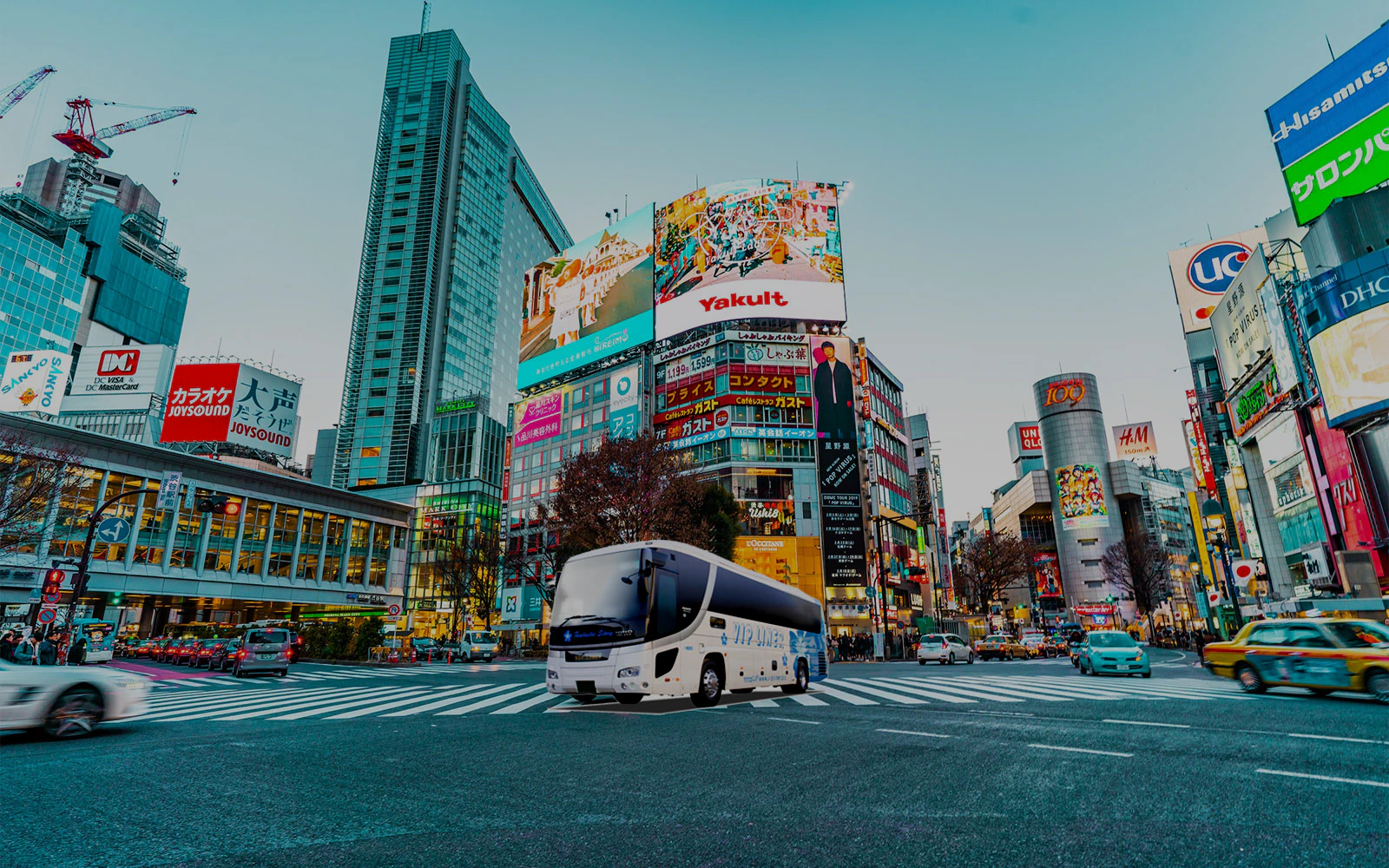
Walking around central Shibuya
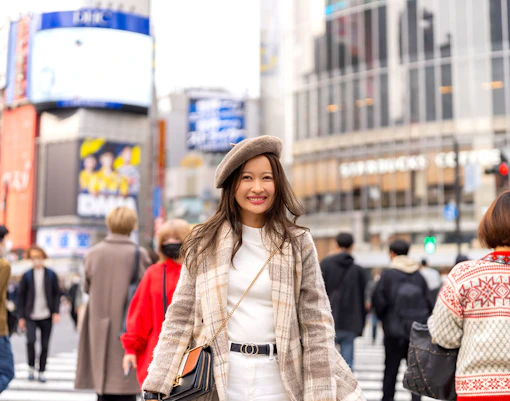
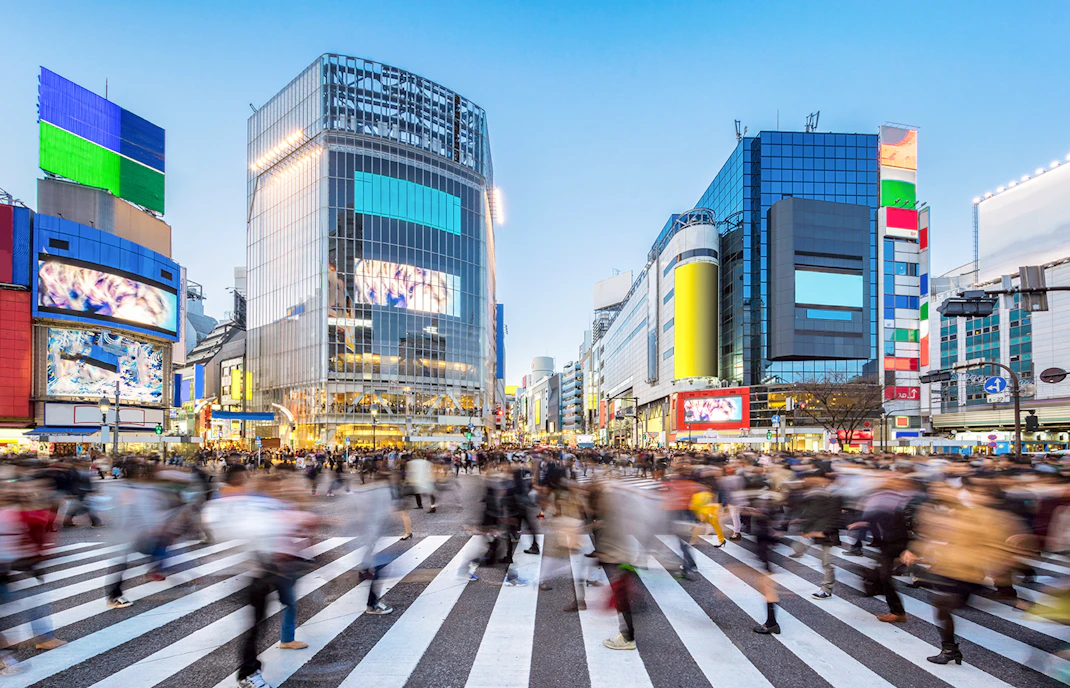
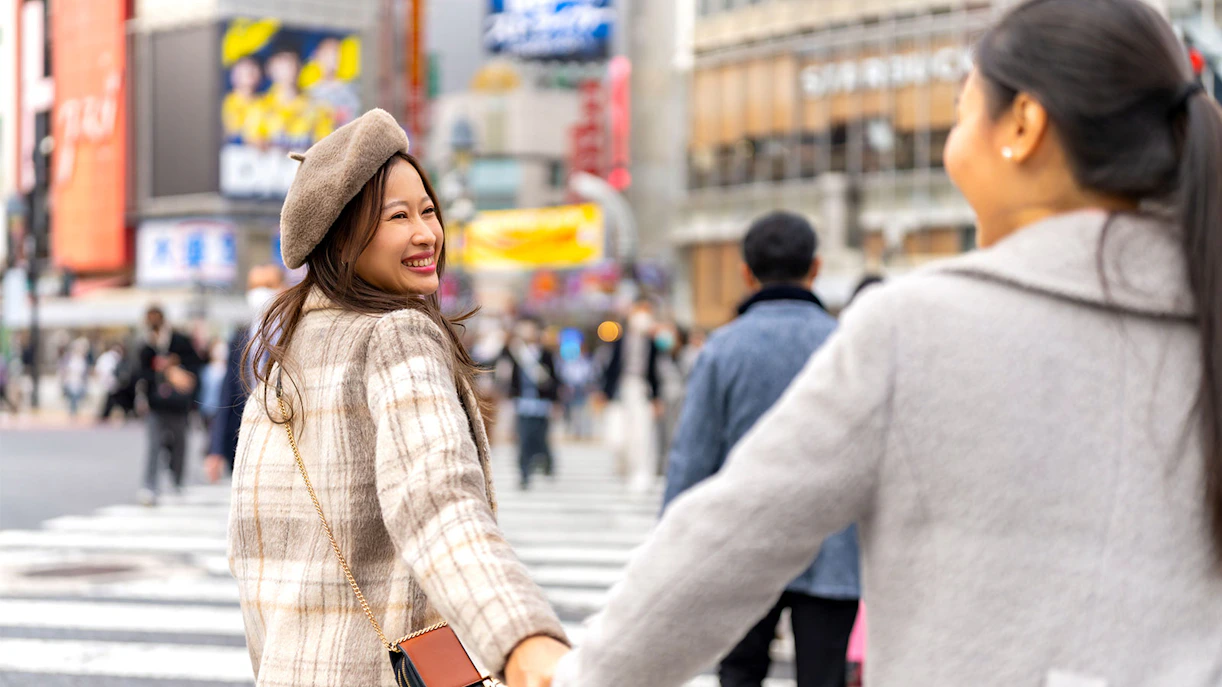
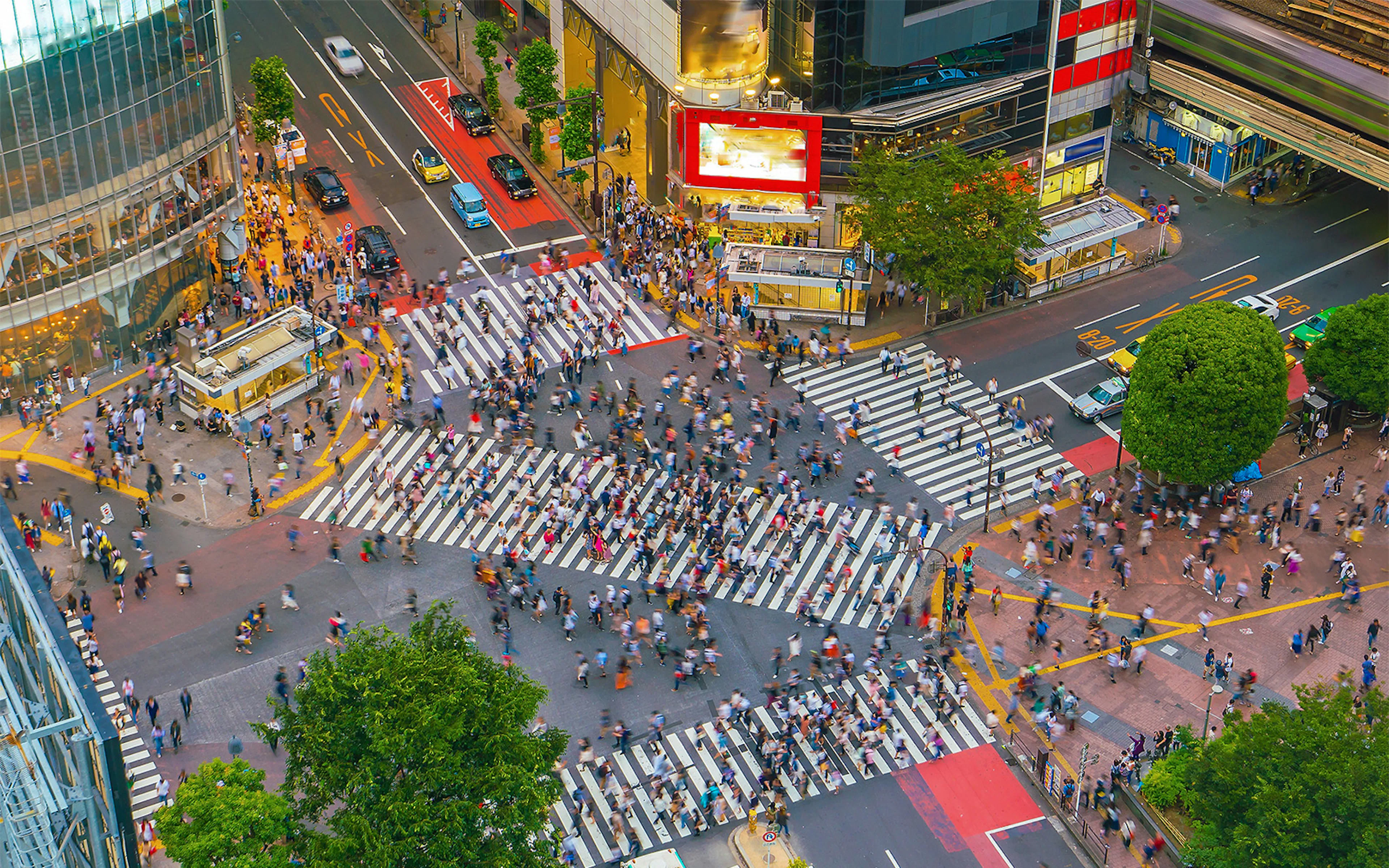
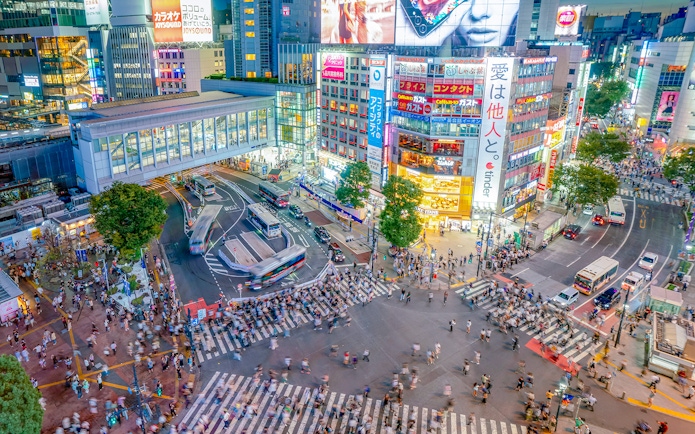
Shibuya Crossing and surrounding streets
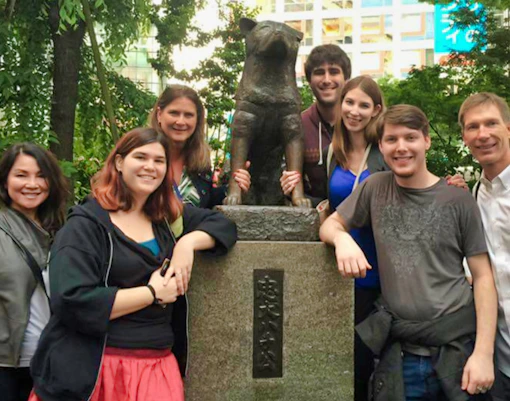
Hachiko Memorial Statue in Shibuya
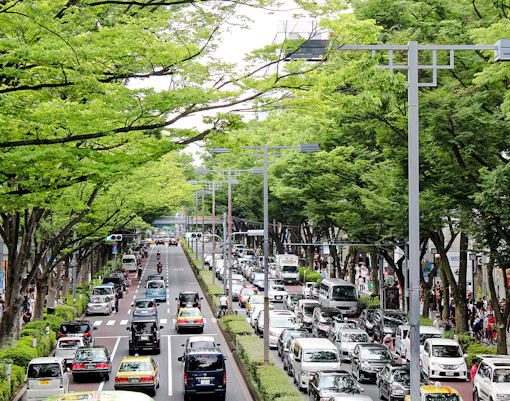
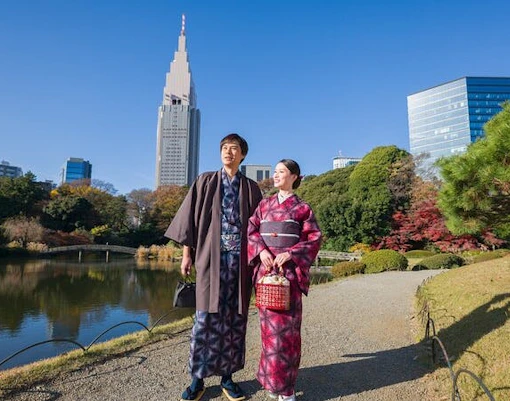
Old and new sides of Shibuya
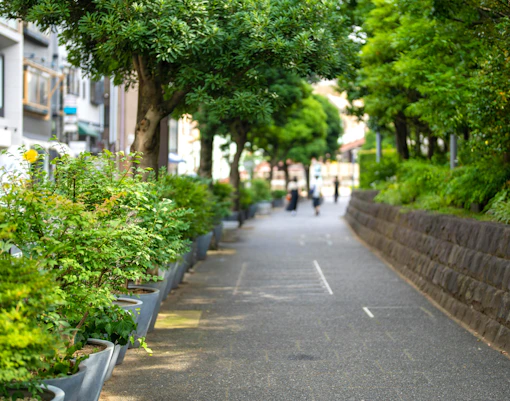
Route from Shibuya to nearby neighborhoods
1/5

You can cover the main district on foot

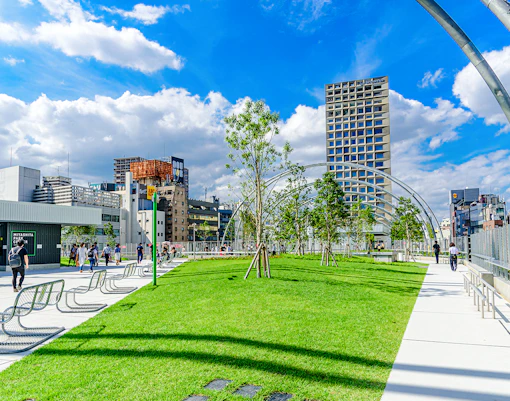
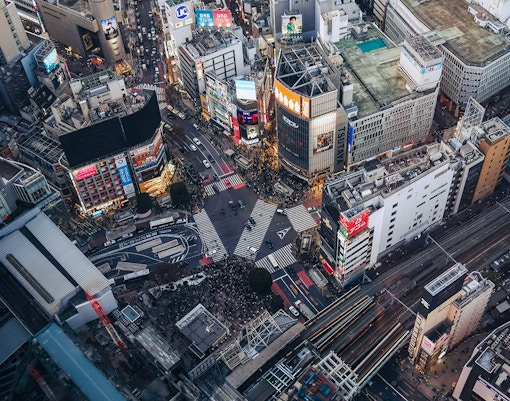
Shibuya packs landmarks like Hachikō Memorial Statue, Miyashita Park, and Shibuya Scramble Square into a compact, walkable area. For first-time visitors, it’s one of the easiest ways to experience Tokyo’s energy without spending much time on transit.

The crossing is only the start

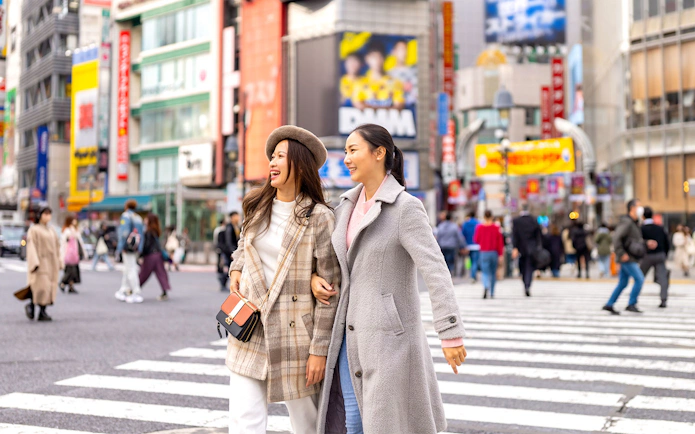
Most visitors come for Shibuya Crossing, then discover how much fits within a short walk, from retail towers and skyline views to backstreet bars, ramen spots, and lanes like Dogenzaka and Nonbei Yokocho. That mix is what makes Shibuya feel bigger than a single photo stop.

Hachikō turned the station square into a shared landmark

Hachikō Memorial Statue is small, but it shaped how this part of Tokyo is used. The story of Hachikō made it a meeting point long before Shibuya became known for crowds and screens. Today it still functions as a real-world rendezvous spot, giving the area a quiet sense of continuity beneath constant change.

It’s one of the easiest places to compare old and new Tokyo in a single walk

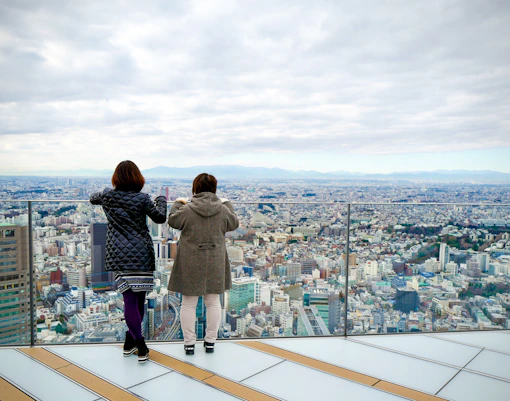
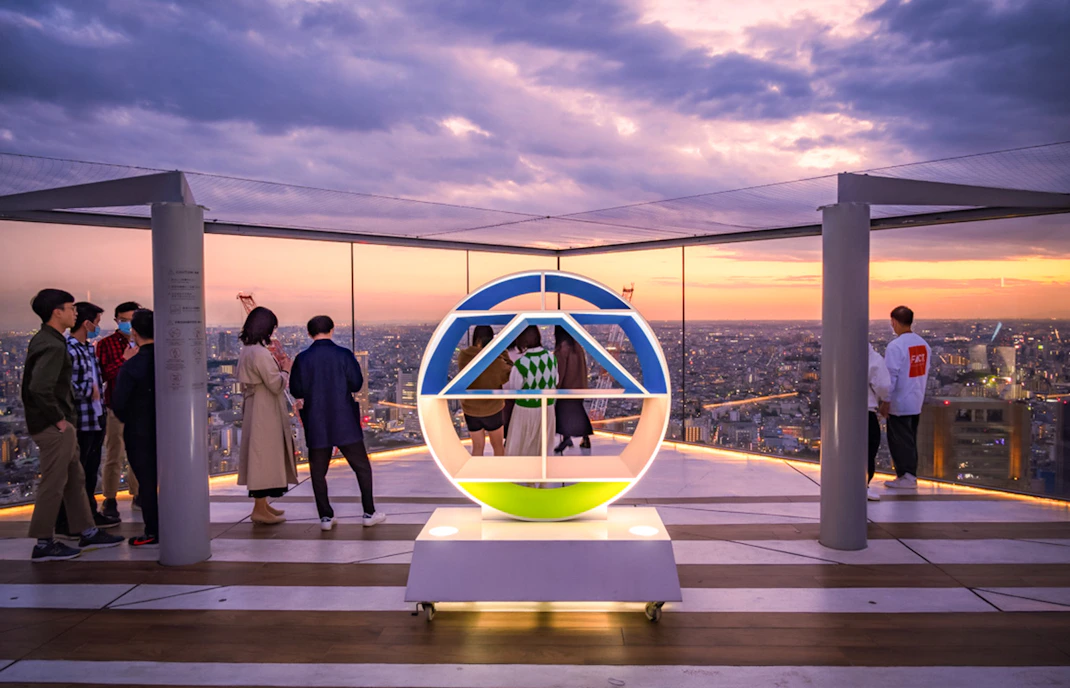
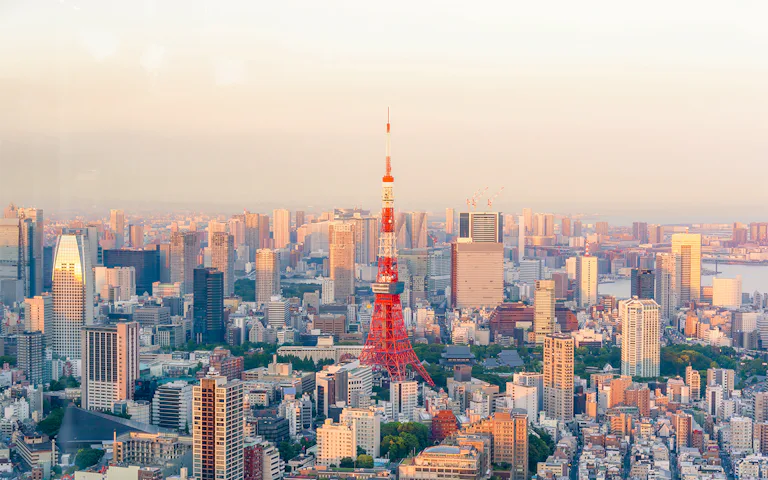
Shibuya mixes modern towers with older pockets that still remain close by. From Shibuya Sky you can reach Nonbei Yokocho in under 10 minutes and see how tightly old and new sit together. That contrast is what makes the area worth revisiting beyond a first look at the crossing.
It connects naturally to other strong neighborhoods

Shibuya is not an isolated stop. Cat Street connects toward Harajuku and Omotesando, while Daikanyama is a short walk away and Ebisu is either one train stop or a longer walk. This makes it a strong base for exploring multiple neighborhoods in a single half-day route rather than a standalone attraction.

Best ways to explore Shibuya

A good walking route here covers Hachikō Memorial Statue, Shibuya Crossing, Center Gai, Miyashita Park, and the streets toward Cat Street or Dogenzaka. Shibuya City Walk with Entry to the Shibuya Observation Deck is the cleanest structured option because it combines street orientation with skyline views at the end.

Pro tip

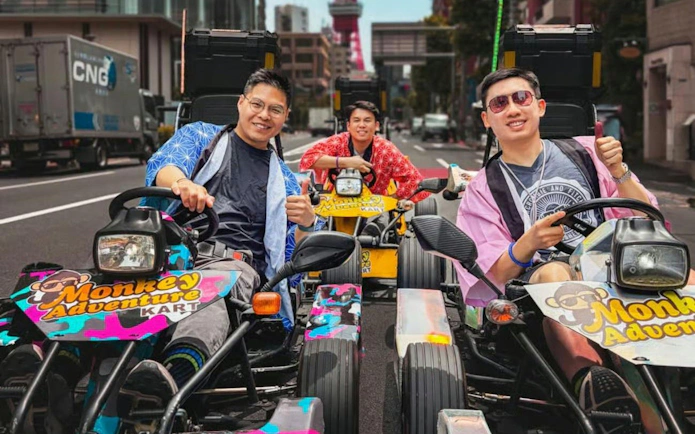
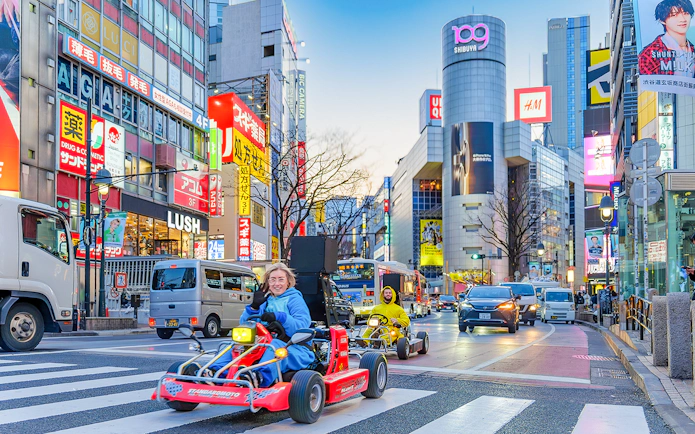
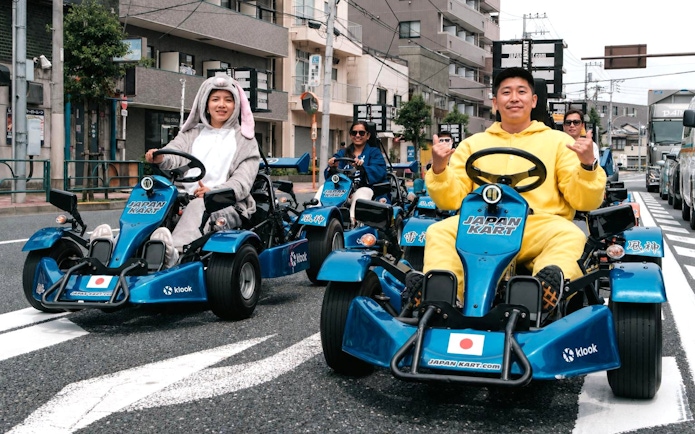
If you want Shibuya explained first, start with Shibuya City Walk with Entry to the Shibuya Observation Deck, then explore on your own. For a more active experience, Tokyo: Shibuya Crossing 75-Min Go-Karting Experience by Monkey Kart turns the streets into the activity itself.

  • Book Shibuya City Walk with Entry to the Shibuya Observation Deck
  • Book Tokyo: Shibuya Crossing 75-Min Go-Karting Experience by Monkey Kart

Plan your visit

Shibuya sits on Tokyo’s south-west inner-city side, centered on Shibuya Station and the square around Hachikō Memorial Statue. For most visitors, the simplest arrival is by train to Shibuya Station, then out through Hachiko Exit, which places you directly at the statue and within seconds of Shibuya Crossing.
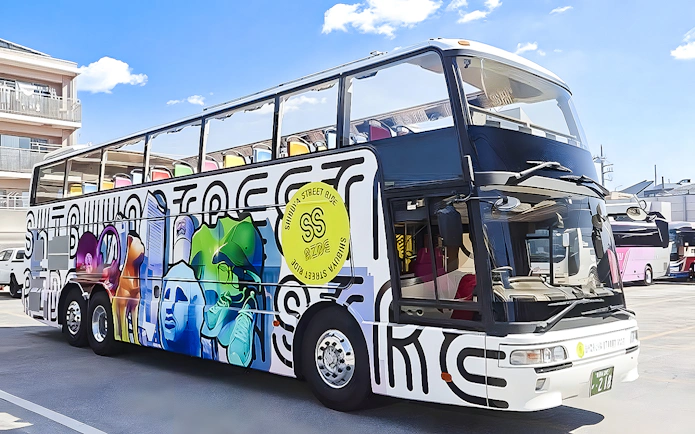
If you want a sightseeing-style arrival rather than a rail transfer, Sky Hop Bus: Tokyo Hop-On Hop-Off Bus Tour stops at Shibuya City Hall on the Green Route. That works best if Shibuya is one stop on a larger day linking Shinjuku and Tokyo Tower.

Walking distances from Hachikō Memorial Statue:

  • Miyashita Park — about 5 minutes
  • Shibuya Sky / Shibuya Scramble Square — about 5–7 minutes
  • Cat Street — about 10 minutes
  • Harajuku Station — about 20 minutes
  • Omotesando Hills — about 20 minutes

If you’re using Tokyo Subway Tickets for 24/48/72 Hour (Physical Ticket), remember that the pass covers Tokyo Metro and Toei Subway lines, but not JR Lines. That matters in Shibuya because many first-timers default to JR services around the station.

Late afternoon into evening is the strongest window if you want both street activity and views from above. For lower stress and cleaner movement through the station frontage, weekday mornings are much easier than Friday nights or weekend afternoons.

  • Early morning (8–10am): Best for a quieter look at Hachikō Memorial Statue, an easier first walk across Shibuya Crossing, and shorter lines at coffee spots. If you want photos without dense foot traffic, this is the easiest time.
  • Midday (11am–2pm): Expect the busiest footfall around Center Gai, Miyashita Park, and the station approaches. If the pavements feel full, duck into Miyashita Park or head up to Shibuya Sky if you already have a timed slot.
  • Late afternoon (4–6pm): This is the best setup for combining Shibuya Crossing with a later slot at Shibuya Sky. Light starts to soften, office traffic builds, and the district begins shifting toward its evening version.
  • Evening (after 6pm): Best for Nonbei Yokocho, Dogenzaka, and the full visual effect of the crossing and station screens. It’s also the most crowded period, especially on Fridays and Saturdays.
  • The essentials — 1.5–2.5 hours for Hachikō Memorial Statue, Shibuya Crossing, Center Gai, and one paid stop such as Shibuya Sky.
  • The ideal day — 4–6 hours for the essentials plus Miyashita Park, Cat Street, a proper meal around Dogenzaka or Center Gai, and time to stay after dark.
  • With guided tours — 2–3 hours if you book Shibuya City Walk with Entry to the Shibuya Observation Deck, which typically covers the crossing area, nearby streets, and a skyline finish.
  • Shibuya Sky: Wheelchair and pram/stroller accessible. The observation deck is one of the easier major paid attractions in the neighborhood for step-free access.
  • Shibuya Crossing: Street-level crossing with broad pedestrian phases and curb cuts, but it becomes very dense at peak times. If you want easier movement, go in the morning or outside commute windows.
  • Miyashita Park: Elevators connect the retail levels and rooftop areas. It’s a practical step-free stop if you need a break from the station crowds.
  • Hachikō Memorial Statue area: The square is flat, but crowd density can make it slow to approach closely. The best tactic is to visit early if you need more space.
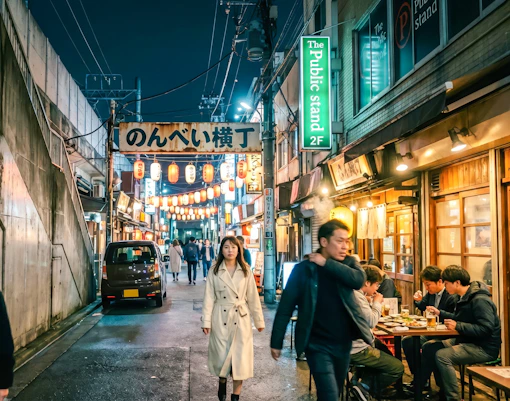
  • Nonbei Yokocho: Narrow lanes and tight bar entrances make this one of the least accessible parts of Shibuya. It works better as a visual pass-through than a full stop for many travelers with mobility needs.
  • Cat Street route toward Harajuku: Mostly manageable on foot with curb cuts and gradual grades, but shop entrances vary and some side lanes are tighter than the main route.
  • Crowd pressure (Hachikō Square and Shibuya Crossing): This is the main practical issue rather than crime. Keep your group together before the light changes, and don’t stop in the middle of the crossing for photos.
  • Late-night drinking spillover (Dogenzaka and Center Gai): After dark, especially on Fridays and Saturdays, the area gets noisier and more erratic. If you want a calmer evening, eat earlier and move toward Miyashita Park or Cat Street instead.
  • Station confusion (inside Shibuya Station): The station is large, multi-level, and easy to misread on a first visit. If you lose your bearings, head back toward Hachiko Exit or use a major landmark like Shibuya Scramble Square as your reset point.
  • Wet pavement (Crossing and backstreets in rain): Painted stripes, ramps, and side-lane paving can get slick. Slow down on the uphill and downhill sections around Dogenzaka and side alleys after rain.
Pro tip

If you want to connect Shibuya with the rest of Tokyo without Tokyo Subway Tickets for 24/48/72 Hour (Physical Ticket), it does not cover JR rides from Shibuya.

Free things to do in Shibuya

Suggested itinerary for visiting Shibuya

Shibuya is easiest to handle as a walking neighborhood built around the station core, with natural extensions toward Harajuku, Omotesando, and Daikanyama. You don’t need to overplan the route, but you do need to choose whether you want a quick photo-and-view stop or a longer food-and-night walk.

Tips for visiting Shibuya

  • Use Hachiko Exit on your first visit. It takes you straight to Hachikō Memorial Statue and Shibuya Crossing, the easiest starting point in the station area.
  • Tokyo Subway Tickets for 24/48/72 hours (Physical Ticket) cover Tokyo Metro and Toei lines, but not JR lines, so plan JR Yamanote rides separately if needed.
  • Book Shibuya Sky in advance for sunset or evening slots, which sell out fastest.
  • Walk to Harajuku via Cat Street instead of the main roads for a calmer, café-friendly route.
  • Use Miyashita Park as a reset point for restrooms, seating, and a break from station crowds.
  • Eat early if you plan to visit Nonbei Yokocho, as small bars fill quickly during peak hours. For more food choices near the crossing, head slightly into Udagawacho or Dogenzaka.
  • Visit Shibuya twice if possible, morning for orientation and evening for atmosphere, as the same streets feel very different at night.

Best photo spots in Shibuya

Shibuya Crossing from Hachiko side

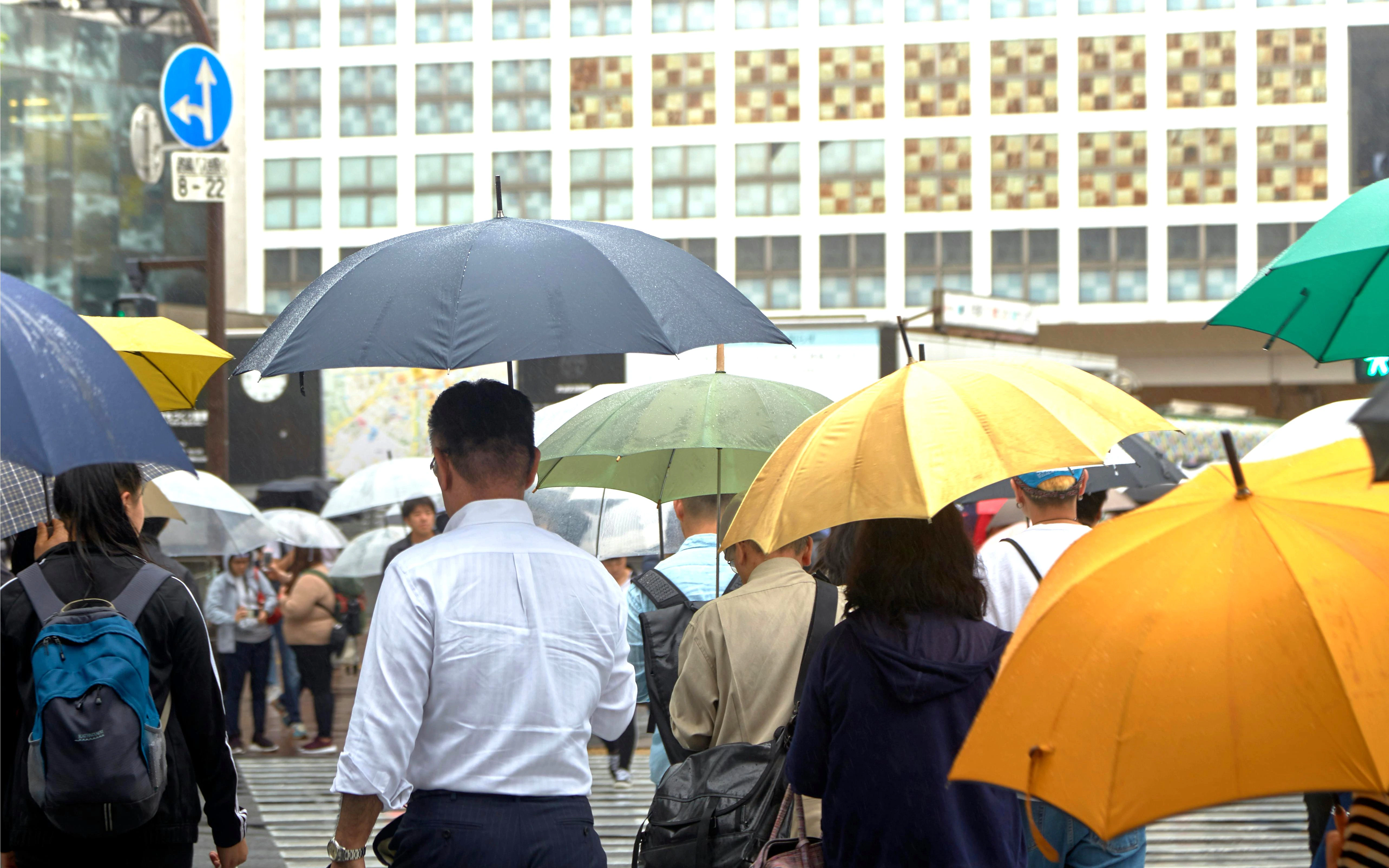
The Hachiko side of Shibuya Crossing after rain

Near Hachikō Memorial Statue, capture the crossing and QFRONT best at dusk or after rain.

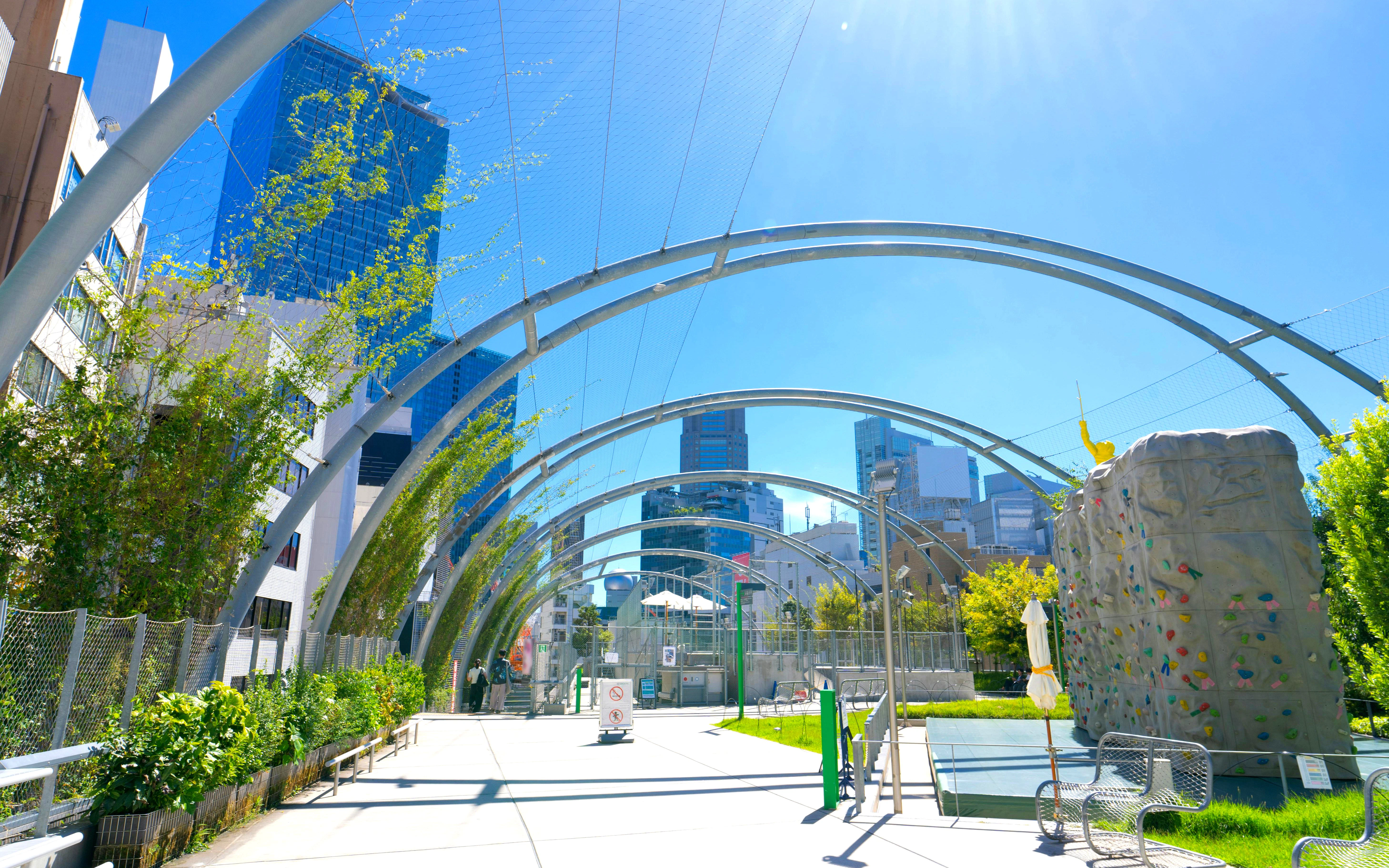
View from Miyashita Park rooftop
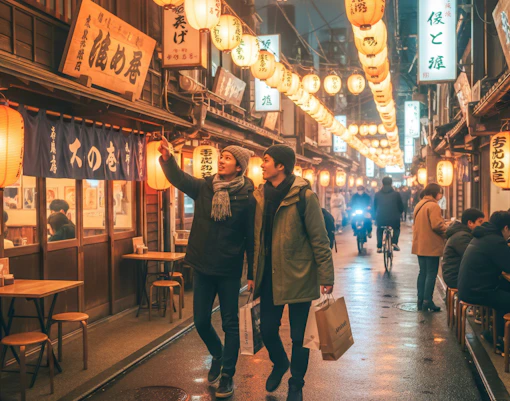
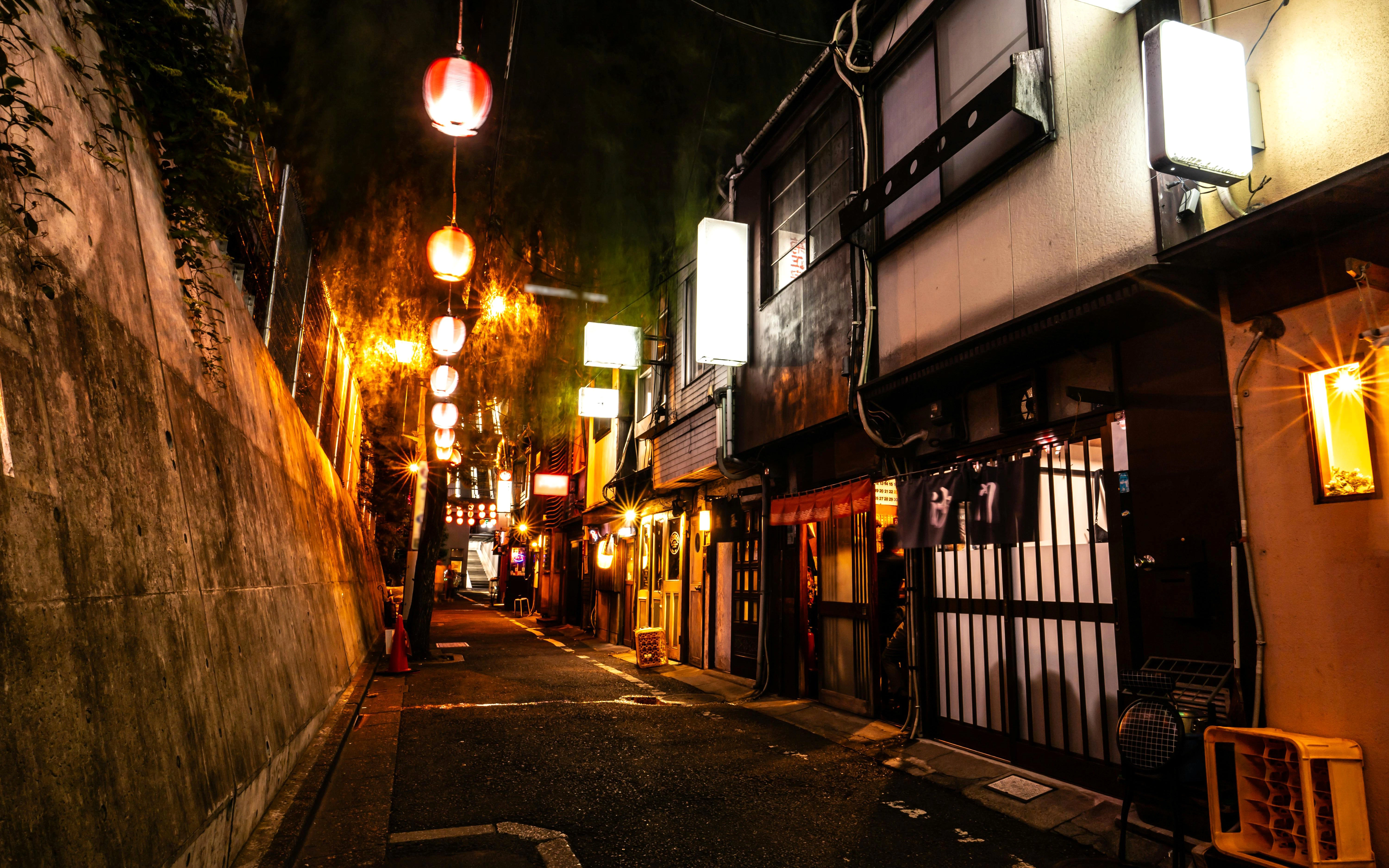
Entrance to Nonbei Yokocho at night
Cat Street from Shibuya end
Center Gai at blue hour

Dining in Shibuya

Pro tip

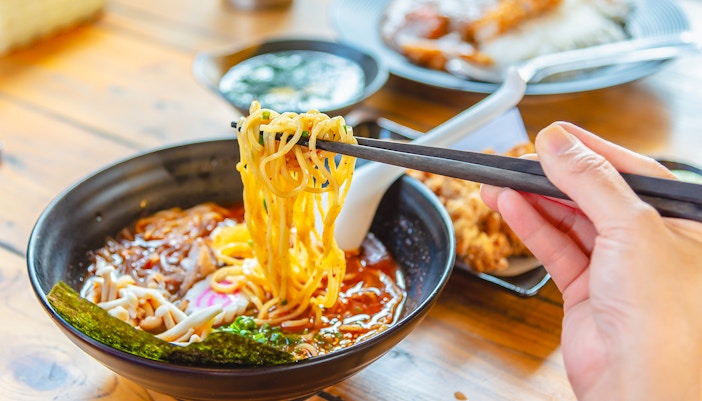
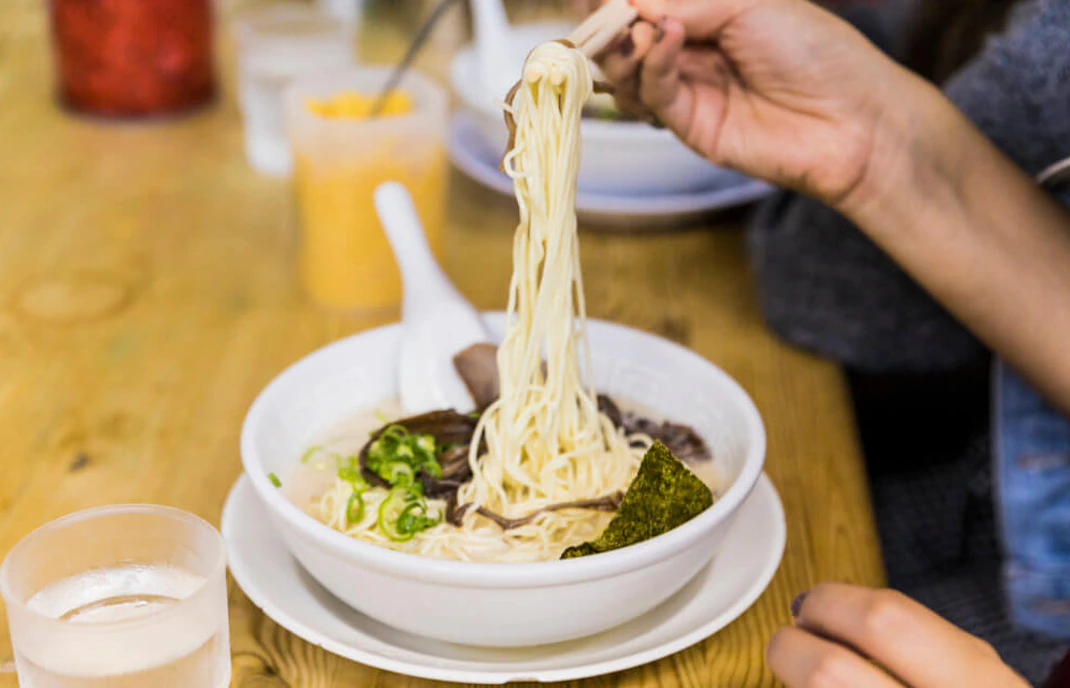
If you want the most Shibuya-coded late meal, order a bowl at Ichiran Shibuya after the crossing and before the post-bar rush gets heavy. The custom tonkotsu setup is part of the fun, and it suits the neighborhood’s late-night rhythm.

Should you stay in Shibuya?

Short answer: Yes, if you want transport density, late hours, and one of Tokyo’s most walkable entertainment districts. It suits first-time visitors and short stays best; the trade-off is noise, crowding, and higher room rates than quieter neighborhoods.

  • The vibe — Around Hachiko Exit, Center Gai, and Dogenzaka, Shibuya stays busy well into the evening. If you step a little away from the station frontage, especially toward Sakuragaokacho or the Shibuya Stream side, mornings feel much calmer.
  • The logistics — Shibuya has a strong mix of chain hotels, business hotels, and newer lifestyle properties, with fewer low-cost hostel-style options than areas like Asakusa. You’re paying partly for convenience: major rail access, late food, and easy neighborhood-to-neighborhood movement.

  • Who it’s for — Stay here if you’re a first-time visitor, a solo traveler who likes late hours, or a couple who wants city energy outside the hotel door. Skip it if you’re a light sleeper, prioritizing larger family rooms, or trying to keep accommodation costs down.

  • Top recommendation — Look around Shibuya Stream / Shibuya Station south side or Sakuragaokacho for a calmer base with quick station access. You still reach the crossing fast, but you’re not sleeping directly beside the busiest foot traffic.

Explore other Tokyo neighbourhoods

Frequently asked questions about Shibuya

No. Shibuya usually means the station-centered commercial district around Shibuya Crossing, while Shibuya Ward is a much larger administrative area that also includes places like Harajuku, Ebisu, and Daikanyama. If you’re planning a sightseeing day, most people mean the smaller station neighborhood.