- Free high-floor views over west Shinjuku’s skyscrapers, with broad sightlines on clear days.
- Best for: budget travelers, skyline views, first-time visitors
- Duration: 45–60 minutes
- Combine this with: Omoide Yokocho (15 minutes on foot) — easy dinner after the view. Shinjuku Station west-side tower walk (5 minutes on foot) — good street-level contrast.
Neighborhood at a glance
- Why visit: Shinjuku puts Tokyo’s big-city contrasts in one area: greenhouse paths in Shinjuku Gyoen, free skyline views from the Tokyo Metropolitan Government Building, and post-war drinking alleys like Omoide Yokocho and Golden Gai.
- Atmosphere: loud, vertical, late-night, transit-heavy
- Top things to do: Walk Shinjuku Gyoen, go up the Tokyo Metropolitan Government Building, eat through Omoide Yokocho, bar-hop in Golden Gai
- Best for: first-time visitors, nightlife seekers, rail-based travelers, food-focused trips
- Time needed: 4–6 hours
- Best time to visit: Weekday late afternoon to evening, so you can do Shinjuku Gyoen before closing and the alley districts after dark.
- Nearby: Shinjuku Gyoen, Tokyo Metropolitan Government Building, Hanazono Shrine, Omoide Yokocho, Golden Gai, Kabukicho
Top things to do in Shinjuku
Quick navigation
🏛️ Why visit | 🎟️ Best ways to explore |🧭 Plan your visit | 🌟 Free things to do | 📋 Itinerary | 💡 Tips | 🍴 Dining
Why visit Shinjuku
1/5
Tokyo’s busiest station puts the city at your feet
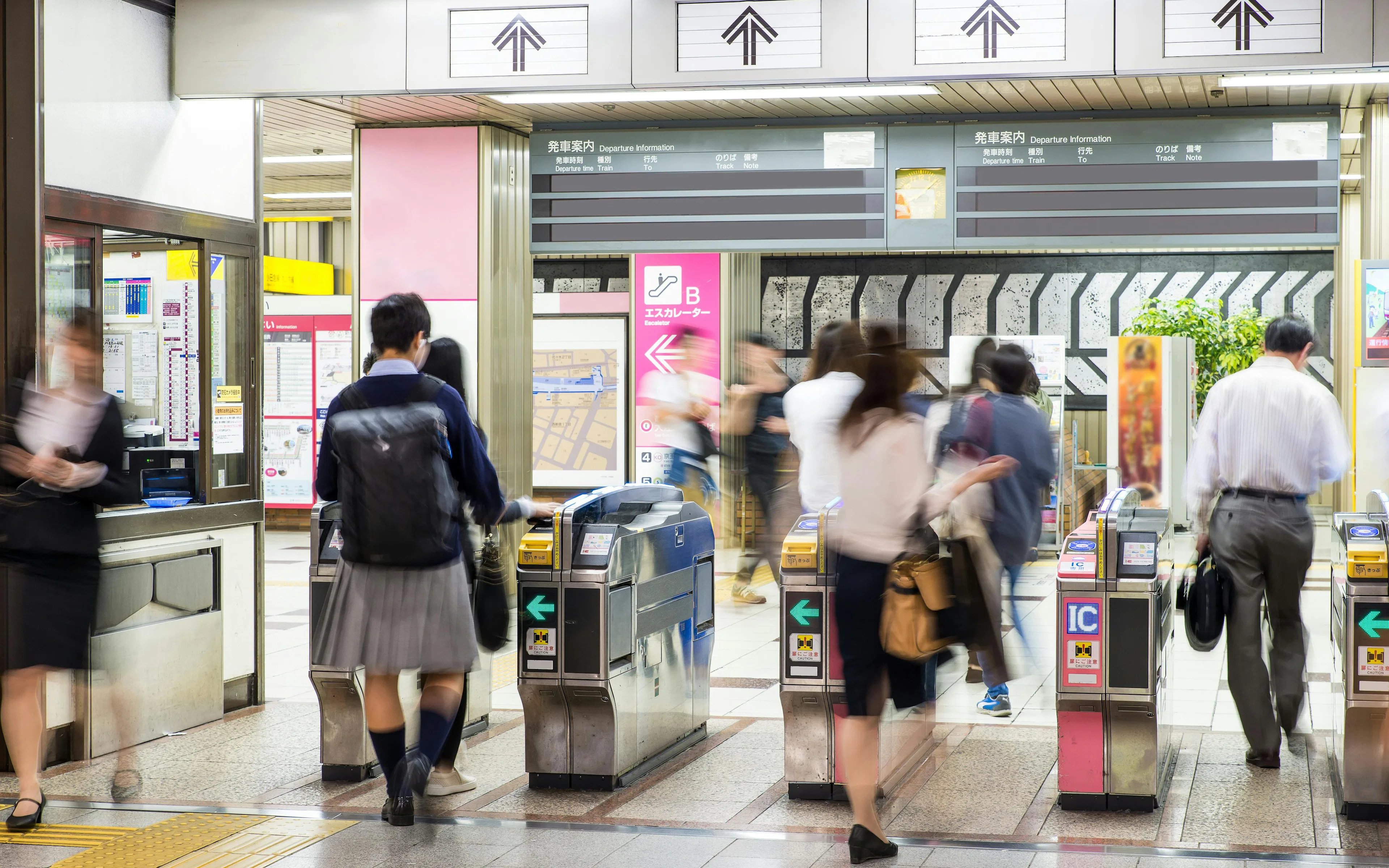
Shinjuku Station moves more than 3 million passengers a day. That matters because you can reach west-side towers, east-side nightlife, and other Tokyo neighborhoods without wasting time on connections.
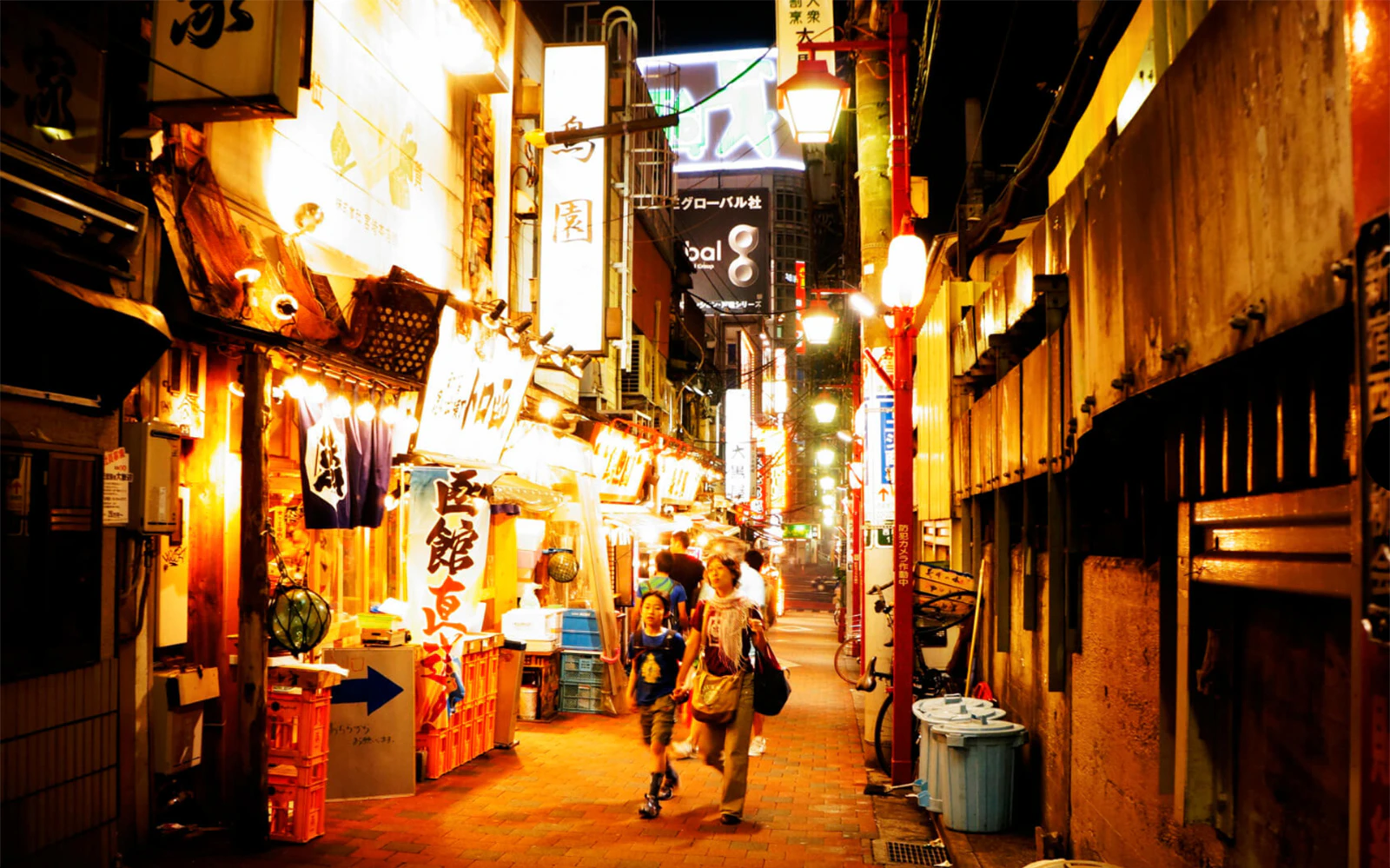
Post-war alley culture still survives under the tracks
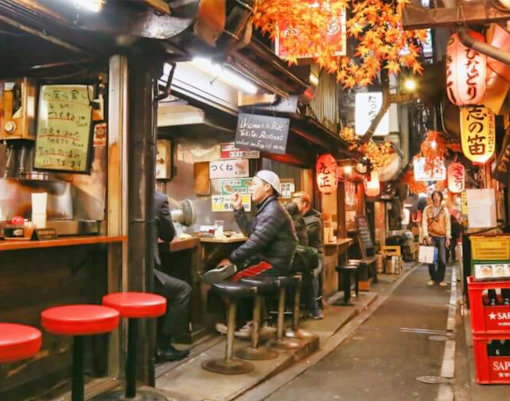
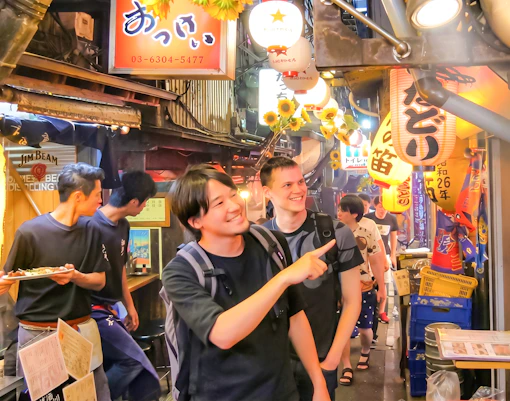
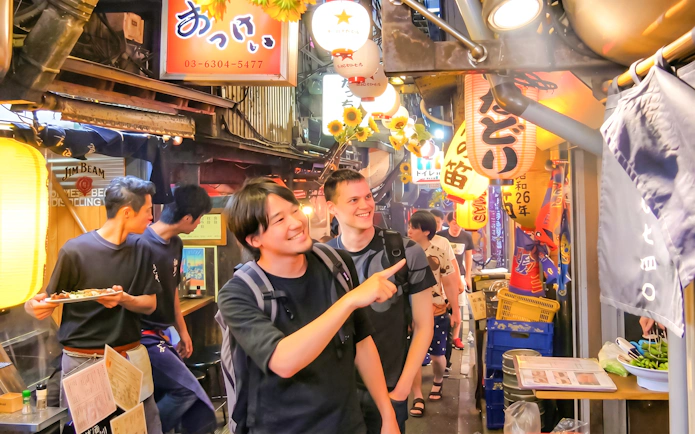
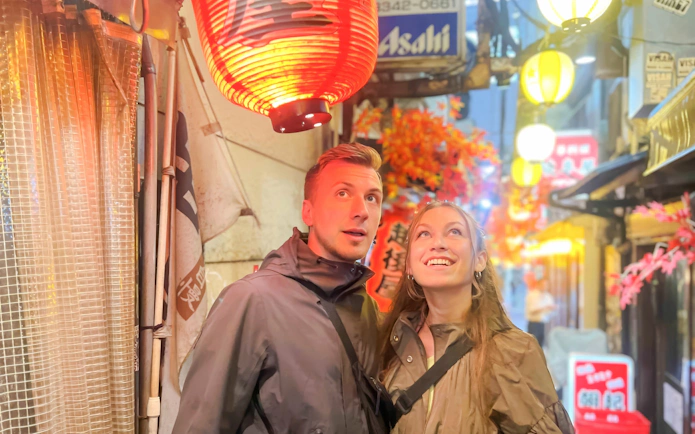
Omoide Yokocho began as a post-war black market. Today, its tight lanes, shared counters, and grill smoke give you one of the clearest surviving slices of old commercial Tokyo.
You can do gardens and neon in the same half-day
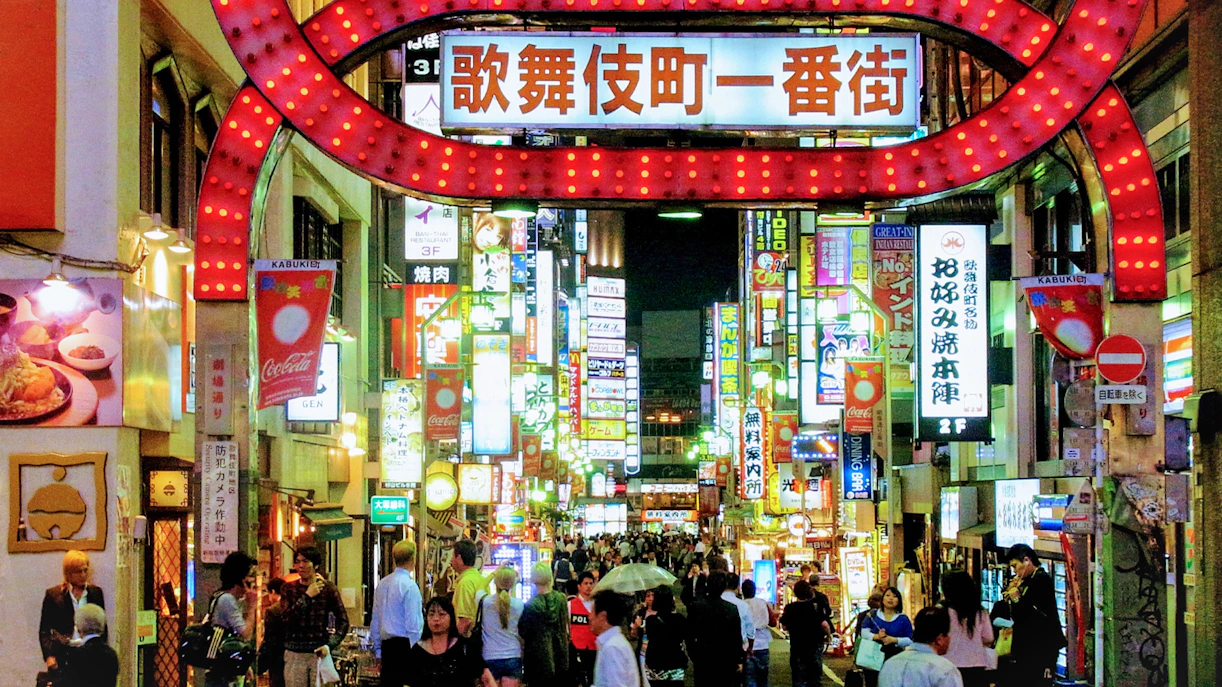
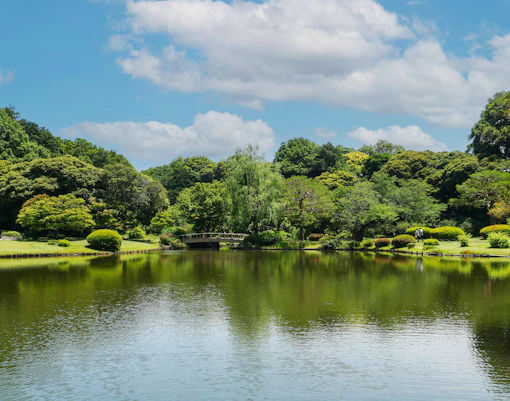
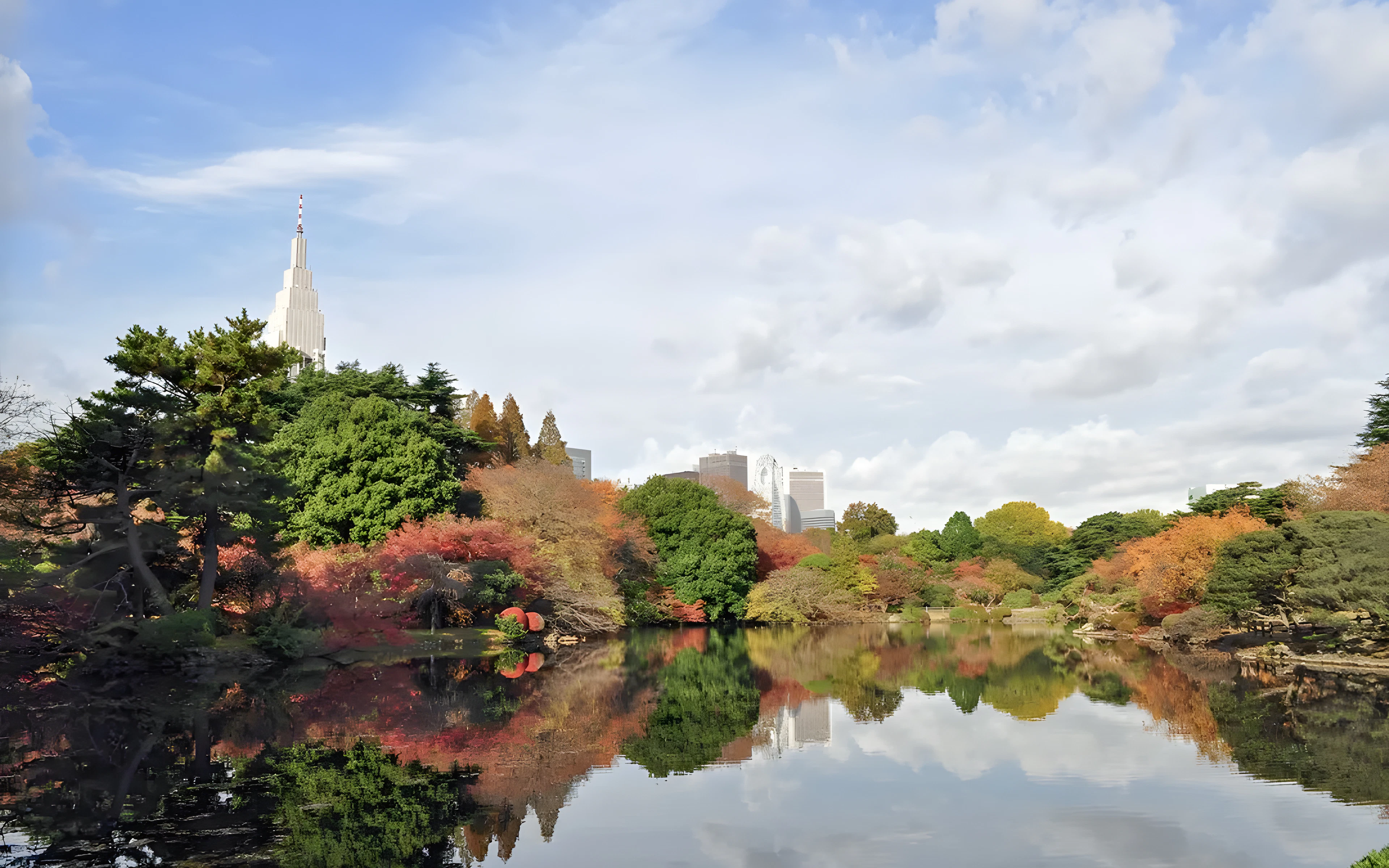
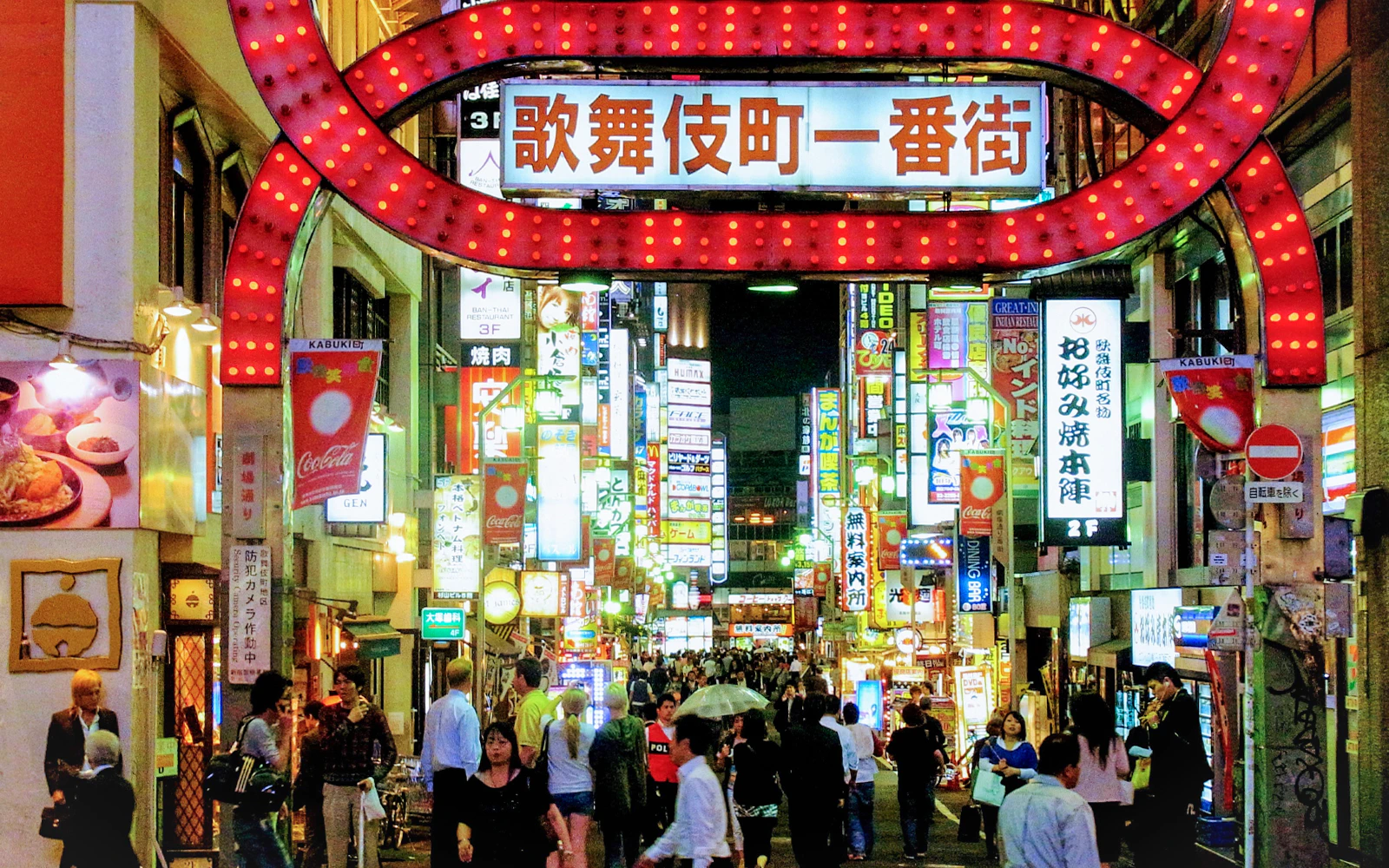
Shinjuku Gyoen and Kabukicho feel like different cities. One gives greenhouse paths and formal lawns; the other flips on LED signs, arcade noise, and late-night food within walking distance.
Free skyline views make it easy on your budget
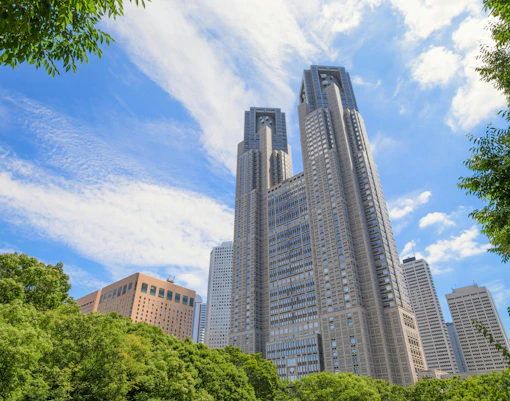
The Tokyo Metropolitan Government Building gives you a high-angle look across central Tokyo without an entry fee. If you want a skyline stop in Shinjuku, this is the practical one.
The neighborhood keeps working after dinner
Golden Gai, Omoide Yokocho, late-night ramen shops, and bars around Kabukicho mean Shinjuku doesn’t shut down when museums close. It’s one of Tokyo’s easiest places to fill an evening.
Best ways to explore Shinjuku
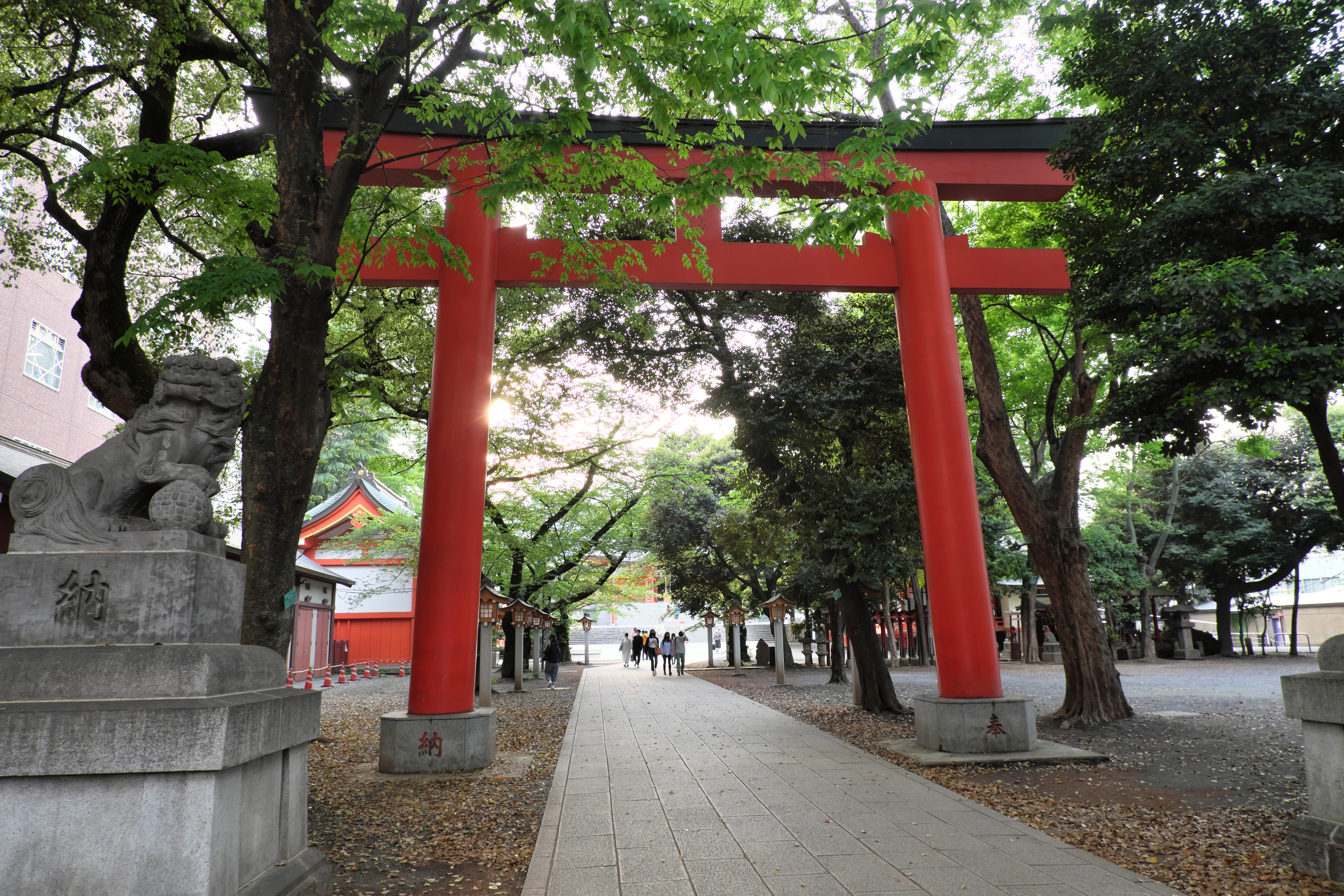
Walking works best here because Shinjuku changes block by block. A solid route usually covers the west-side tower district, Omoide Yokocho, Kabukicho, Golden Gai, and Hanazono Shrine, with Shinjuku Station acting as the seam between them.
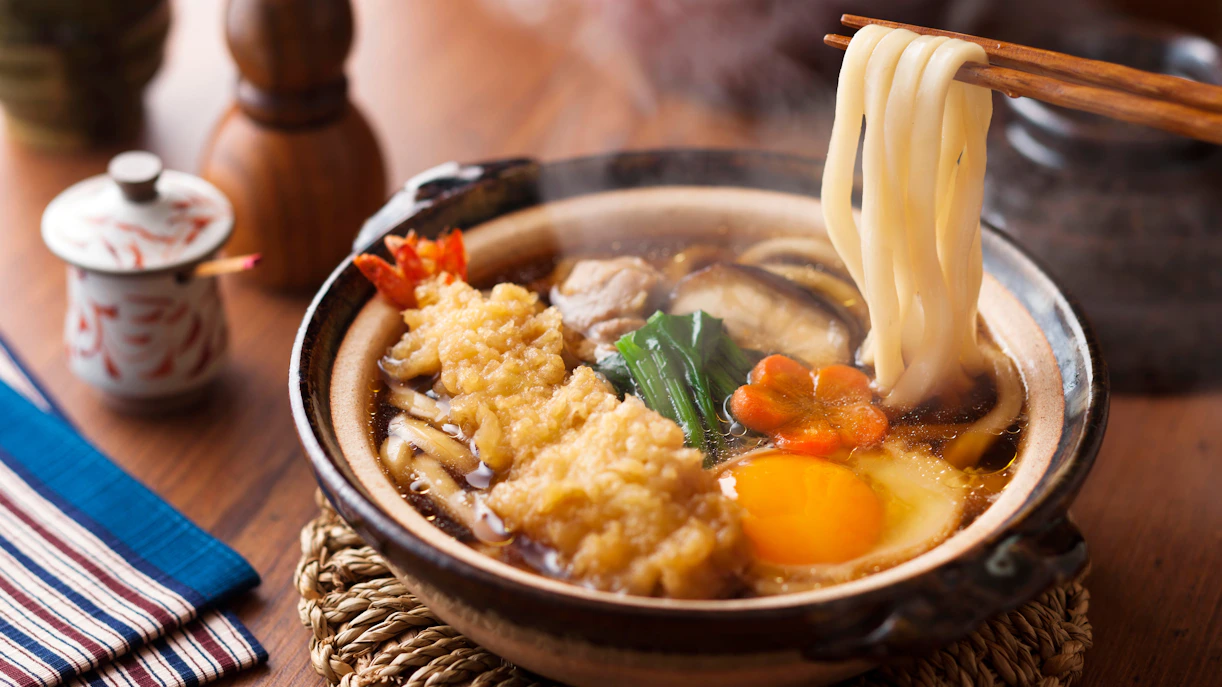
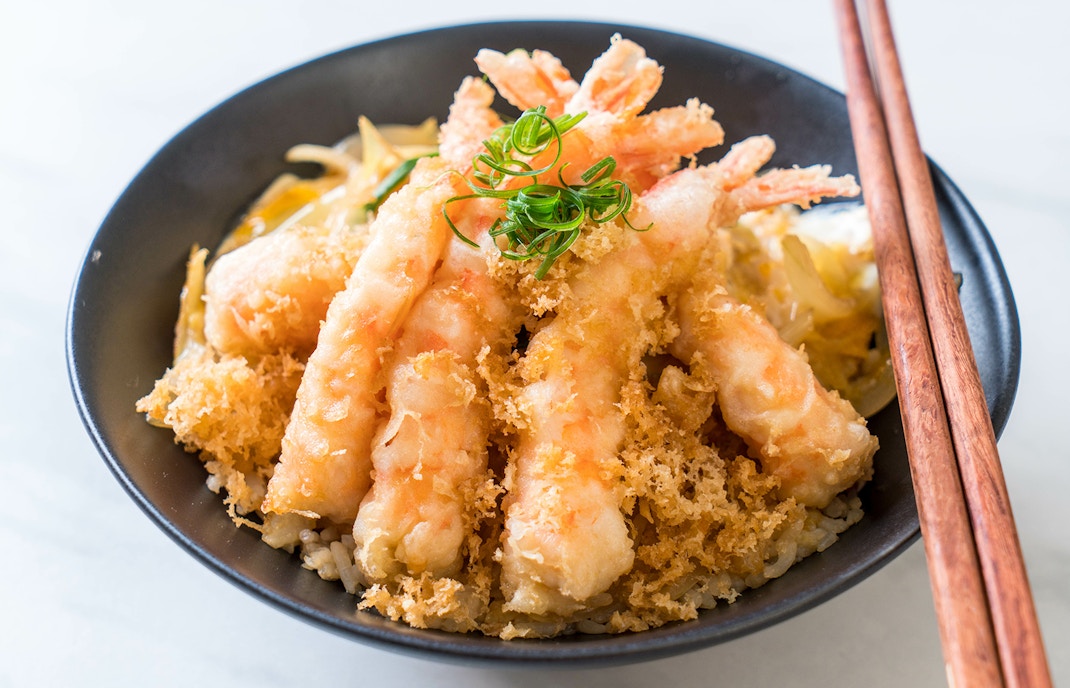
Food-focused exploring makes most sense around Omoide Yokocho, the lanes east of Shinjuku-sanchome, and the late-night ramen cluster near Golden Gai. You’re not here for one big market; you’re here for short stops, grilled skewers, noodles, beer, and small counters. You can book Shinjuku night food tour
The cleanest pairing is Shinjuku Gyoen National Garden and the Tokyo Metropolitan Government Building: one ground-level, one high above the ward. For evening plans, Kabukicho plus Golden Gai works well because the walk between them is short and the mood shift is immediate.
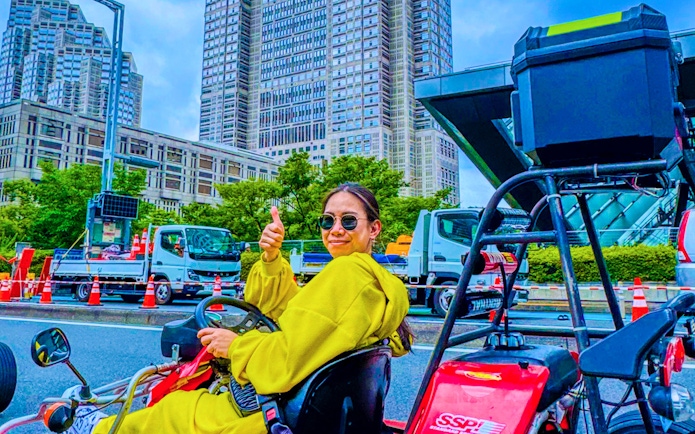
Tokyo’s more unusual bookable experiences are part of the city’s appeal: a live sumo show in Shinjuku or Asakusa, a guided Shibuya walk ending at Shibuya Sky, or a denim workshop in Harajuku. If you want something Tokyo-specific rather than checklist sightseeing, this is the category to look at first.
For orientation, a Sky Hop Bus: Tokyo Hop-On Hop-Off Bus Tour helps you see how the city’s districts connect before you start using the trains more aggressively. For practical point-to-point movement, Tokyo Subway are useful across Tokyo Metro and Toei lines, but remember they do not cover JR lines.
Plan your visit
Free things to do in Shinjuku
Suggested itinerary for visiting Shinjuku
Shinjuku is large but easy to break into west-side towers, station-edge food lanes, and east-side nightlife. If you move west to east, the route feels much cleaner than bouncing back and forth through the station.
Tips for visiting Shinkuju
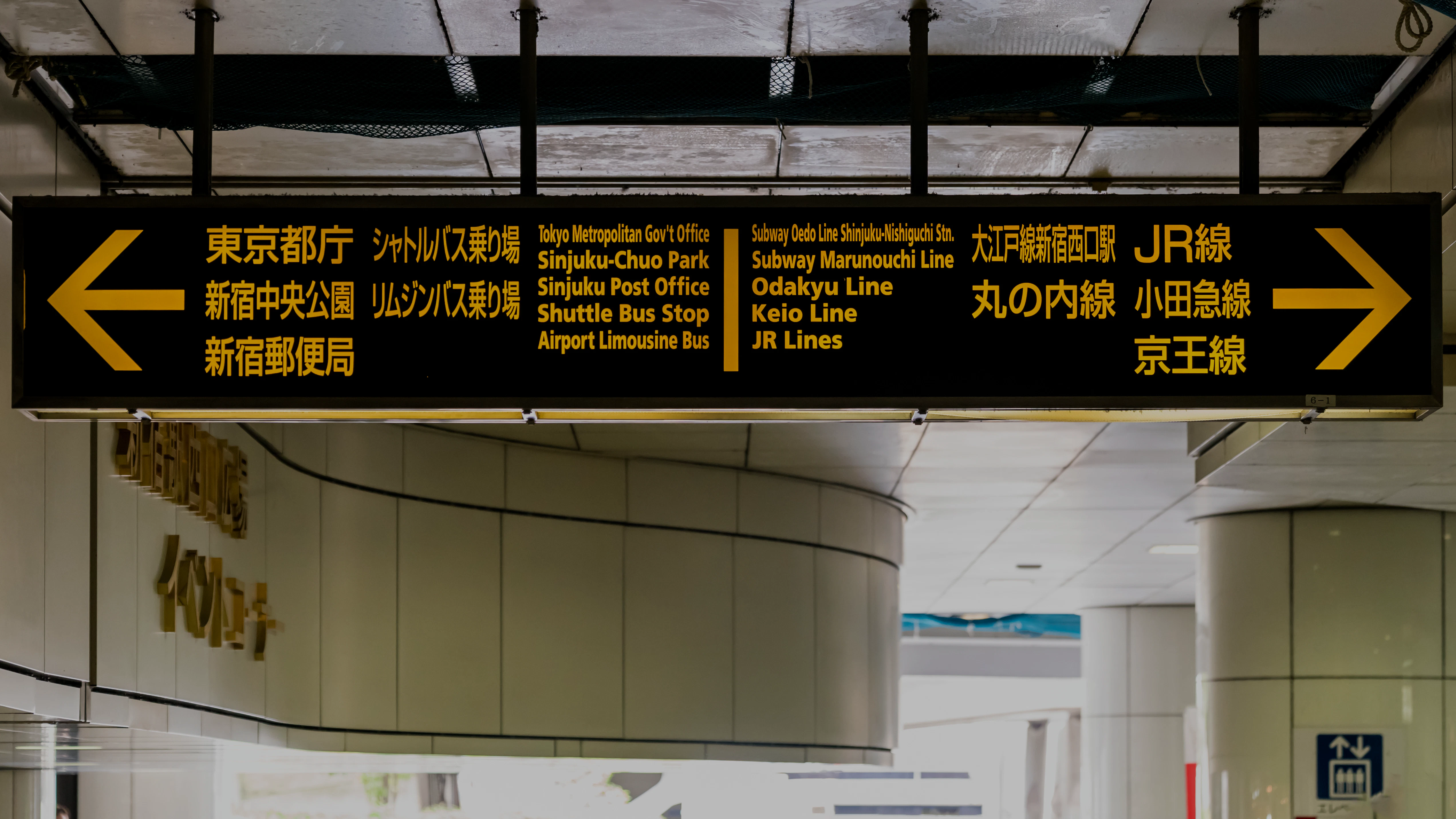
- Use the right station exit the first time. East Exit is the cleanest approach for Kabukicho, Omoide Yokocho, and Golden Gai, while West Exit is the one for the Tokyo Metropolitan Government Building.
- Do Shinjuku Gyoen first, not last. It’s the only major Shinjuku stop that rewards daylight and patience; the nightlife blocks will still be there later.
- For a free skyline stop, use the Tokyo Metropolitan Government Building before paying for a deck elsewhere. It’s the practical choice if you mainly want orientation and photos.
- In Golden Gai, always check whether there’s a cover charge before you sit. Many bars are tiny, and cover charges are normal rather than a scam.
- For dinner timing, Omoide Yokocho is easier before 6pm if you want photos and a better shot at seats. After that, the lanes become slower-moving and less comfortable with luggage.
- If you want late-night ramen, go straight to Nagi in Golden Gai instead of wandering hungry. Shinjuku has a lot of signs, but not every place is equally good or equally quick.
- Don’t set your meeting point as “Shinjuku Station.” Pick an exact place like East Exit, Studio Alta side, or West Exit police box, or you’ll waste time looking for each other.
Best photo spots in Shinjuku
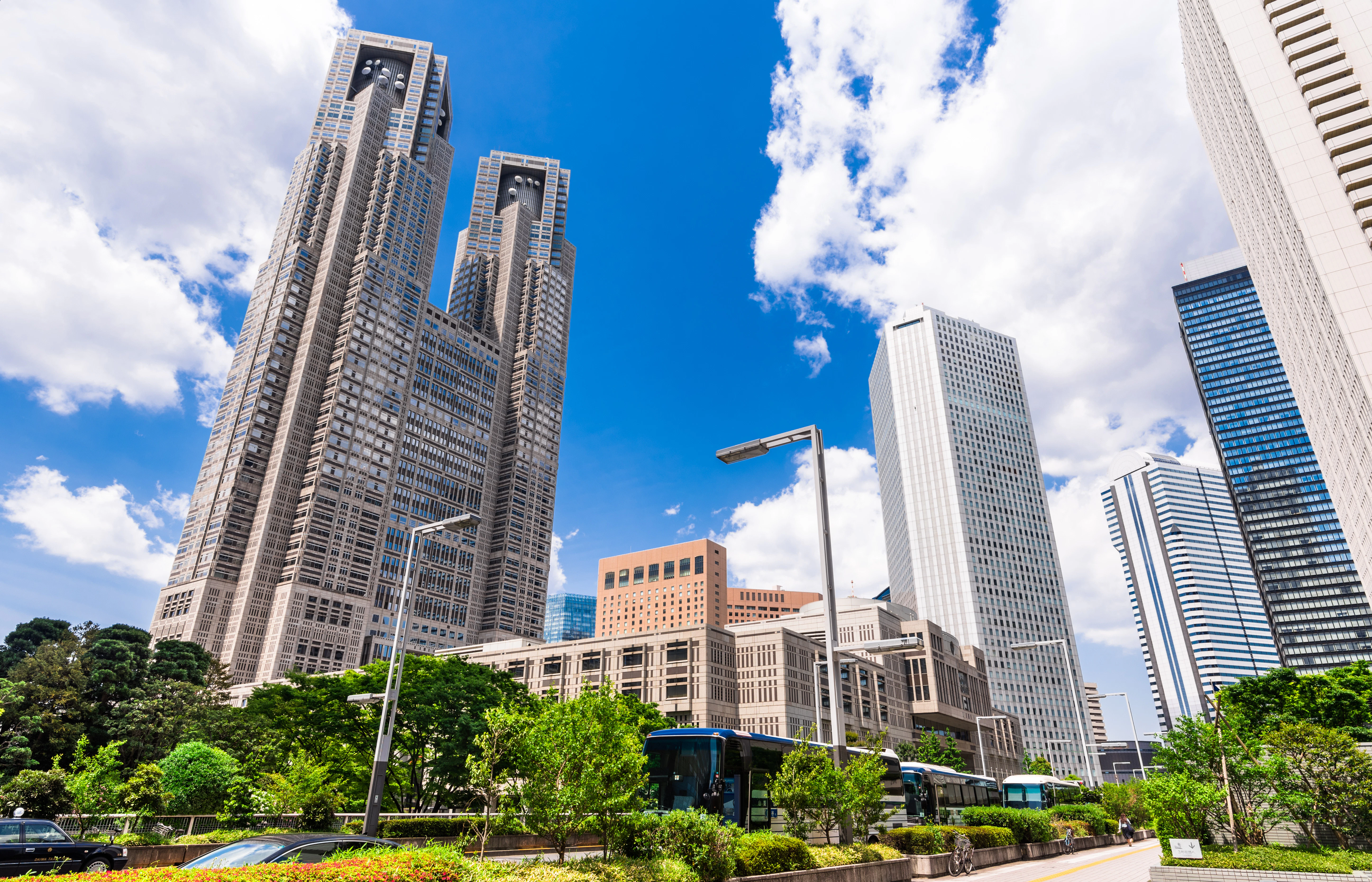
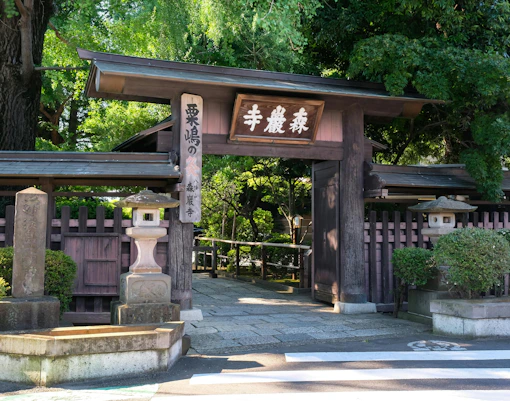
Tokyo Metropolitan Government Building
Stand close to the glass on the south side and shoot across the layered tower roofs toward central Tokyo.
Dining in Shinjuku
Should you stay in Shinjuku?
Short answer: Yes, if you want transport convenience, late-night food, and easy neighborhood-hopping. The trade-off is noise, bigger crowds, and higher room prices near the station core.
- The vibe — Early morning Shinjuku is quietest around the west-side towers and Shinjuku Gyoen edges; late-night Shinjuku belongs to Kabukicho, Golden Gai, and Omoide Yokocho. Where you book within the neighborhood changes the experience more than in many other Tokyo districts.
- The logistics — You’ll find a wide mix here: chain hotels in west Shinjuku, business hotels around the station, higher-end towers, and smaller stays on the east side. It’s one of Tokyo’s easiest bases for rail access, but rooms nearest the station usually cost more for less space.
- Who it’s for — Best for first-time visitors, short stays, solo travelers, and anyone who wants easy train access after dark. Less ideal for light sleepers, travelers who want low-rise streets, or families who accidentally book in the heart of Kabukicho.
- Top recommendation — Book west of Shinjuku Station near the Tokyo Metropolitan Government Building if you want business hotels, easier airport-bus access, and a quieter night. Choose south of the station near Southern Terrace if you want transport convenience without sleeping in the nightlife core.
Explore other neighborhoods in Tokyo
Frequently asked questions about Shinjuku
No. Kabukicho is one part of Shinjuku, mainly the entertainment district on the east side. Shinjuku also includes the west-side skyscraper zone, Shinjuku Gyoen, major shopping areas, and large transport infrastructure around the station.
Choose Shinjuku if train convenience and late-night food matter most; choose Shibuya if you care more about fashion, street culture, and a tighter sightseeing core. Shinjuku is bigger and more spread out, but it’s the easier base if you’re doing day trips or moving across Tokyo a lot.
Yes. A practical half-day can cost very little: ¥0 for the Tokyo Metropolitan Government Building, ¥500 for a garden ticket to Shinjuku Gyoen, ¥900–1,500 for ramen or udon, and ¥170–320 for a subway ride if needed. Drinks are where your budget climbs fastest, especially in Golden Gai.
Yes, but only as a short walk. The lanes are photogenic and historically interesting even if you skip the bars, though the area really comes alive after 8pm and many venues are built around sitting for a drink.
If you want the least complicated route with luggage, use the Airport Limousine Bus Transfer: Narita Airport to/from All Neighbourhoods in Tokyo for a direct Shinjuku-area drop. If you prefer rail, the research-backed fast airport options into Tokyo are the Keisei Skyliner Express: One-Way/Round-Trip Train Transfers Between Narita Airport & Ueno/Nippori Station or Narita Express routes into central Tokyo, followed by a local connection if needed.
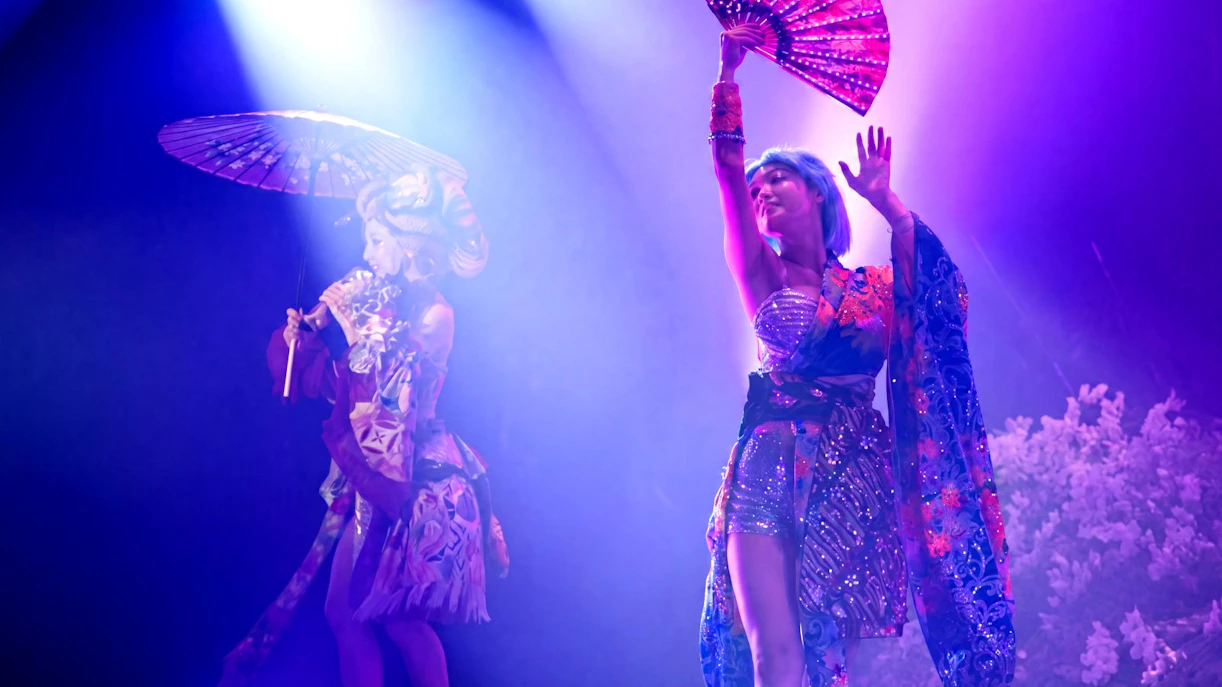
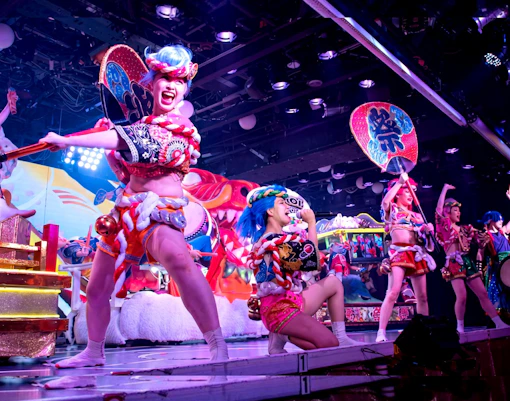
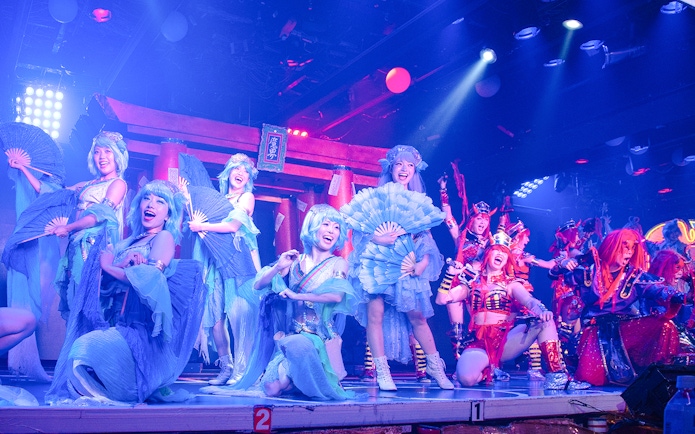
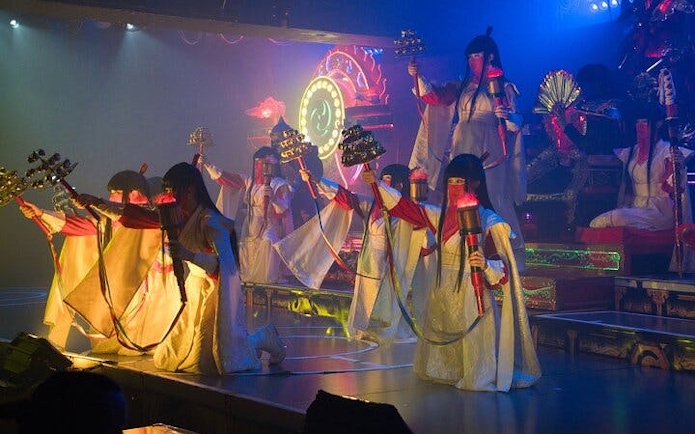
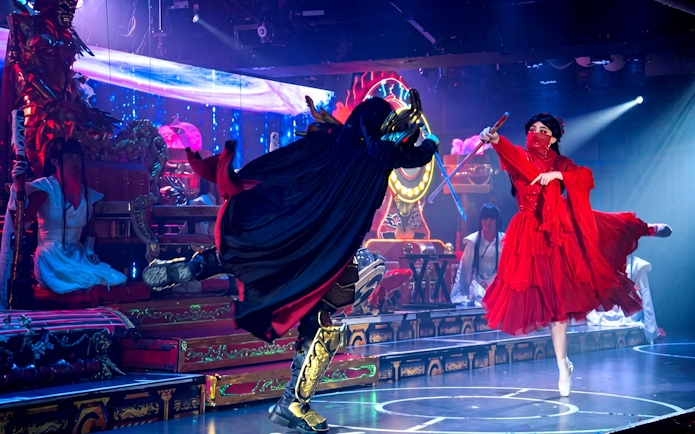
Yes, especially for evening plans. Seat-based experiences like The Classic Sumo Show — Live Bouts, Q&A with Wrestlers & Souvenir Photo · Shinjuku and the Samurai Restaurant Show Ticket work much better when booked before the day of your visit.
Yes, but the micro-location matters. Families do better on the west side or around Southern Terrace, where hotel access is easier and the mood is calmer than the center of Kabukicho.
Yes: the Tokyo Metropolitan Government Building. It’s the most useful free skyline view in the neighborhood and a smart substitute if you’d rather save paid deck money for TOKYO SKYTREE Tickets or another city attraction.
You’ll usually need a taxi or a nearby hotel bed. Research indicates Tokyo taxis start around a ¥500 flag-fall, but costs rise quickly over distance, so don’t let a cheap round turn into an expensive ride back across the city.
They’re common around Kabukicho, larger restaurants near the station, and chain spots, but less reliable in tiny bars and alley counters. A translation app still helps, especially in Golden Gai and smaller independent places.