Plan Your Visit to Edo Wonderland
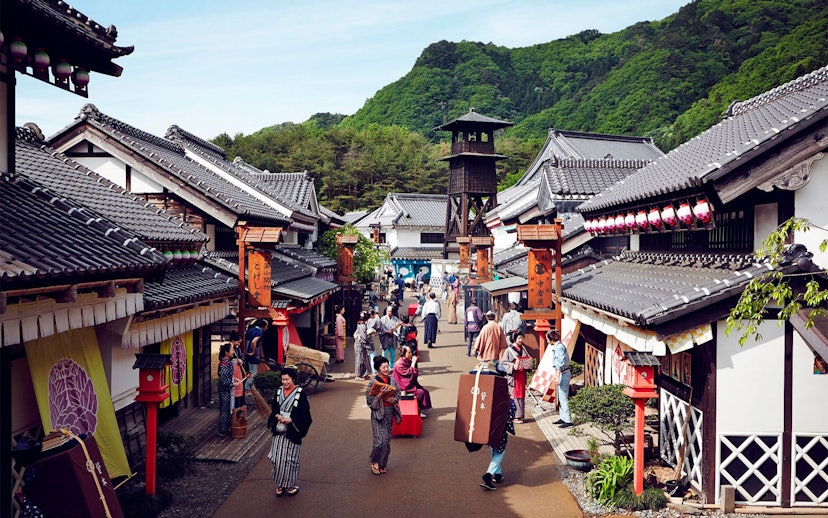
Edo Wonderland is a cultural theme park in Nikko best known for recreating an entire Edo-period town with live shows, costumed characters, and hands-on experiences. It is bigger and slower-paced than many visitors expect, so this is not a quick stop between other Nikko sights. The biggest difference between a rushed visit and a satisfying one is whether you plan around the show schedule first, then fill the gaps with workshops and wandering. This guide covers timing, tickets, arrival, and how to structure your day well.
Quick overview: Edo Wonderland at a glance
This is the fast version if you want to decide when to go, how long to stay, and which ticket to book.
- When to visit: Spring through fall is the easiest window for a full visit, and midweek mornings are noticeably calmer than Golden Week, school breaks, and peak fall weekends because the first theater blocks and costume counters get busy fast.
- Getting in: From ¥5,800 for standard entry. Nikko Pass is useful for Tokyo–Nikko transport, but it does not include park admission, so book your park ticket separately if you want the simplest day.
- How long to allow: 4–6 hours for most visitors. It stretches toward the longer end if you’re dressing up, stopping for photos, and watching multiple theater shows.
- What most people miss: The side-street workshops, smaller exhibits like the jail-house displays, and the quieter stretches of the recreated town are often skipped because people rush from one show to the next.
- Is a guide worth it? A guide inside the park usually isn’t essential because the fun is in exploring at your own pace, but a transport pass or day-trip add-on helps if you’re coming from Tokyo and want fewer logistics to manage.
Jump to what you need
🕒 Where and when to go
🗓️ How much time do you need?
🎟️ Which ticket is right for you?
🗺️ Getting around
🥷 Must-do experiences
♿ Facilities and accessibility
Where and when to go
How do you get to Edo Wonderland?
Edo Wonderland sits in the Kinugawa Onsen area of Nikko, around 20–30 minutes from Nikko Station and just outside the main hot-spring resort zone.
470-2 Karakura, Nikko, Tochigi 321-2524, Japan
- Train + bus: Tobu Limited Express to Kinugawa Onsen Station → local Tobu bus to the park → best option if you’re arriving from Tokyo without a car.
- Free shuttle: JR Nikko Station shuttle → around 20–30 minutes → useful if you’re already sightseeing around Nikko before heading here.
- Taxi / rideshare: Kinugawa Onsen area → short direct drop-off → the easiest choice if you’re staying nearby and want to arrive before the first shows.
- Car: On-site parking → ¥800 per car → worth it if you’re combining the park with other Nikko or Kinugawa stops the same day.
Getting here from nearby cities
Visitors often pair the park with a wider Nikko or Tokyo itinerary, and Tokyo plus central Nikko are the most practical bases.
From Tokyo
- Distance: About 150km
- Travel time: Around 2 hr 15 min via Tobu Limited Express to Kinugawa Onsen, then bus
- Time to budget: A same-day trip works, but you’ll want most of the day free if you don’t want to rush the shows
From Nikko
- Distance: About 15–20km
- Travel time: Around 30 min via shuttle, local bus, or car
- Time to budget: This is the easiest same-day pairing if you’re already visiting Toshogu Shrine or central Nikko
Which entrance should you use?
There’s one main entrance, but the real bottleneck is what you do right after entering. Most visitors lose time at the ticket check, then drift without checking the day’s performance board.
- Main entrance: Located at the front gate and ticketing area. Best for all visitors. Expect 5–15 min waits on quiet mornings and longer queues in peak spring, summer, and fall weekends.
When is Edo Wonderland open?
- Most operating days: 9am–5pm
- Winter operating days: Shorter hours can apply, with seasonal closures in mid-January to mid-February
- Last entry: Typically well before closing, so don’t leave your arrival until late afternoon if you want more than a quick look
When is it busiest? Golden Week, school vacations, cherry-blossom season, and peak fall foliage weekends are the most crowded, especially from late morning through mid-afternoon when show queues and photo spots stack up.
When should you actually go? A midweek opening-time arrival in June or September usually gives you the easiest first two hours, because you can catch early shows and costume rental before the park settles into its busiest rhythm.
How much time do you need?
| Visit type | Route | Duration | Walking distance | What you get |
|---|---|---|---|---|
Highlights only | Entrance → main street → Grand Ninja Theater → one secondary show → costume/photo stop → exit | 3–4 hours | ~3km | You’ll get the strongest headline moments and the atmosphere, but you’ll skip most workshops, side exhibits, and slower corners of the town. |
Balanced visit | Entrance → first show → costume rental or photo stop → main street → workshops → oiran parade or second theater → riverfront stroll → exit | 4–5 hours | ~4km | This gives you a fuller sense of the park beyond the big shows, including time for hands-on activities and quieter streets that most rushed visitors miss. |
Full exploration | Entrance → early show block → costume rental → multiple theaters → workshops → side museums and themed houses → riverboat area → shopping and food stop → final performance → exit | 5–6+ hours | ~5km | This is the route that makes the park feel immersive rather than staged, but it’s a long walking day and only works if you keep an eye on showtimes from the start. |
Which Edo Wonderland ticket is best for you
| Ticket type | What's included | Best for | Price range |
|---|---|---|---|
Edo Wonderland Tickets | Park entry + access to performances + exhibits + free experiences | A first visit where you want the full park experience without adding transport or regional sightseeing extras | From ¥5,800 |
How do you get around Edo Wonderland?
How the park is laid out
The park works like a zone-based historical village rather than a ride loop, and that makes show timing more important than map distance. You can self-navigate it, but it’s easy to miss whole corners if you drift without a route.
- Main Edo street: Shops, costumed actors, parade moments, and classic photo spots → budget 45–60 min.
- Theater area: Grand Ninja Theater and other live performance venues → budget 1.5–2 hr across the day.
- Ninja and samurai activity spaces: Training-style experiences, themed houses, and interactive stops → budget 45–60 min.
- Workshop houses: Craft and culture activities that slow the pace in a good way → budget 45–90 min.
- Riverfront and quieter side streets: Scenic wandering, smaller exhibits, and the feeling of a lived-in town → budget 30–45 min.
Suggested route: Start with the earliest major show, then work outward through the workshops and side streets before returning to the central area for the next performance. Most visitors do the reverse, which leaves them backtracking and missing smaller exhibits once the crowds build.
Maps and navigation tools
- Map: Printed park map → covers theaters, activity houses, food stops, and restrooms → pick it up as soon as you enter.
- Signage: Good enough for the main streets, but not enough if you want to time several shows without wasted walking.
- Audio guide / app: There isn’t a Headout audioguide for the park, so the day’s show board matters more than a digital guide here.
- Large outdoor POIs only: The park is walkable without GPS, but a pre-planned route helps because the performance venues are spread across a wide site.
💡 Pro tip: Don’t treat the first hour as free wandering time — use it to lock in your first show, then let the rest of the park unfold around that schedule instead of chasing performances later.
What happens inside Edo Wonderland?

Grand Ninja Theater
Experience type: Live stunt show
This is the park’s biggest crowd-puller, and it earns that status. The performance leans into acrobatics, swordplay, surprise entrances, and crowd energy in a way that feels closer to live action theater than a museum demonstration. What most visitors miss is that your day gets much easier if you plan other stops around this show rather than squeezing it in whenever you pass by.
Where to find it: In the main theater district, close to the central performance venues.
Oiran parade
Experience type: Street performance
The oiran procession is one of the most visually striking moments in the park, with elaborate costume detail, slow ceremonial movement, and a completely different mood from the ninja shows. Most visitors take a few photos and move on too quickly, but it’s worth staying long enough to notice the choreography and how the crowd flow changes around it.
Where to find it: Along the main Edo street through the center of the village.
Costume transformation
Experience type: Dress-up experience
Dressing up changes the park from a sightseeing stop into something closer to role-play. Even if you don’t go for a full elaborate look, moving through the streets in period clothing makes the interactions with staff and performers feel more natural. What people often underestimate is the extra time this adds, so it’s best done early rather than mid-afternoon.
Where to find it: Near the entrance-side service and costume rental area.
Hands-on workshops
Experience type: Cultural activity
These workshops are where the park stops feeling like a show venue and starts feeling lived in. Depending on the day, they can include craft-making and traditional skill-based experiences that give you something concrete to do between performances. Most visitors miss them because they rush from theater to theater, but this is often the part that makes the visit feel more personal.
Where to find it: In the smaller houses and experience spaces branching off the main street.
Jail house and themed side exhibits
Experience type: Walk-through exhibit
The darker themed stops, including prison-life scenes and haunted or comic side exhibits, add variety to a day that might otherwise become all parades and stage shows. They’re easy to overlook because they sit off the main path, but they give the town more range and help break up the live-show schedule.
Where to find it: In the side-street museum and themed-house area away from the busiest central path.
Yakata boat cruise and riverfront area
Experience type: Scenic ride / stroll
This is one of the calmer parts of the park and a good reset after the louder theaters. It gives you a different angle on the recreated town and helps the site feel larger and more textured than the main street alone suggests. Many visitors skip it late in the day when they’re tired, which is exactly when it’s most useful.
Where to find it: Around the waterways and quieter outer edge of the village.
Facilities and accessibility
- 🎭 Costume rental: Period dress-up is available on-site, but standard admission does not cover rental fees, so treat it as an optional extra rather than something included automatically.
- 🍽️ Food stalls and eateries: You’ll find Edo-style snacks and simple meals like soba, skewers, and rice cakes inside the park, and they work best as a practical lunch stop rather than a destination meal.
- 🛍️ Gift shops / merchandise: Shops such as Ebisu-ya and Echigo-ya are good for easy souvenirs on your way out, especially if you want something small rather than a long shopping stop.
- 🅿️ Parking: On-site parking is available, and the standard car fee is about ¥800, which makes driving practical if you’re combining the park with Kinugawa or central Nikko.
- 🚌 Shuttle bus: A free shuttle runs from Nikko Station, which is one of the easiest ways to cut out local transport decisions if you’re already in the Nikko area.
- 🪑 Rest breaks: Theaters and food areas naturally double as your main seated rest points, so it helps to pace the day around those rather than trying to power through the whole park on foot.
- ♿ Mobility: The park covers a large outdoor area, so even a shortened visit still involves a fair amount of walking between theaters, side exhibits, and food stops.
- 👁️ Visual impairments: The big shows are highly physical and visual, so seats closer to the performance space usually help more than trying to follow from the back.
- 🧠 Cognitive and sensory needs: The loudest and busiest moments cluster around ninja shows, parade times, and the central street, while the first hour after opening is usually calmer.
- 👨👩👧 Families and strollers: The main village streets are easier to manage than the busier theater entrances, but a full-day route with a stroller still takes time because the venue is so spread out.
Edo Wonderland works well with children because it mixes action, costumes, and short-burst activities instead of asking them to move quietly through a formal historical site.
- 🕐 Time: 3–5 hours is realistic with younger children, and the best priorities are one big ninja show, one hands-on activity, and some time to wander in costume.
- 🏠 Facilities: Food stops, seating inside theaters, and the slower workshop houses help break the day into manageable chunks for kids who won’t stay focused for a straight full-day route.
- 💡 Engagement: Let children pick one role first — ninja, samurai, or townsperson — because the park becomes much easier to enjoy once they feel like they’re playing along instead of just watching.
- 🎒 Logistics: Bring only what you want to carry all day, and aim for opening time so you can do photos and costume-related stops before the busiest crowds arrive.
- 📍 After your visit: Kinugawa Onsen is the easiest nearby family-friendly follow-up because it keeps the logistics short and gives everyone a calmer finish to the day.
Rules and restrictions
What you need to know before you go
- Entry requirement: You need a valid admission ticket for the park, while children up to the age of 5 years can enter free.
- Booking method: Advance online booking is the easiest choice in busy seasons because it removes one step at the entrance and makes arrival smoother.
- Extras: Costume rental, food, drinks, prize games, and some add-on activities are paid separately, so budget beyond the base ticket if you want the full dress-up day.
Not allowed
- 🖐️ Climbing on sets and props: Keep to marked activity spaces because much of the park is a working performance environment, not an open-play street set.
- 🚫 Outside expectations: Don’t assume every activity is included just because it’s inside the village — paid extras are clearly separated from the admission-covered experiences.
Photography
Personal photography is one of the best parts of visiting, especially on the main street, around parades, and during costume experiences. The main distinction is practical rather than complicated: outdoor wandering and posed photos are easy, while theater rules can vary by performance and staff instructions take priority. Flash, bulky tripods, and selfie-stick setups are a poor fit once crowds gather for live shows.
Good to know
- Showtimes matter more than distance: Missing a major performance has a bigger effect on your day than walking an extra few minutes to another part of the park.
- Dress-up changes the pace: If you’re renting a costume, do it early, because fitting and photos can easily reshape the rest of your schedule.
Practical tips
- Booking and arrival: Book your ticket ahead if you’re going in April, early May, summer vacation, or peak fall weekends, and aim to arrive 20–30 minutes before opening so you’re not using the quietest part of the day at the gate.
- Pacing: Save your energy for the second half of the visit, because the temptation is to rush the main street early and then feel done before the best theater block and side exhibits.
- Crowd management: A midweek morning in June or September works especially well here because you get the early shows, lighter costume-rental demand, and cleaner photo streets before school-holiday crowds build.
- What to bring or leave behind: Travel light if you can, since this is a long walking day and extra bags become more annoying if you decide to rent period clothing or stop often for photos.
- Food and drink: Eat either before you enter or during the lull between headline shows, because stopping at the wrong time can cost you more of the day than the meal itself.
- Route planning: Check the day’s performance lineup as soon as you enter and build the rest of your visit around it, because this park rewards sequencing far more than spontaneous wandering.
- From Tokyo: If you’re coming from the capital, Nikko Pass is worth considering for the transport side of the day, but remember you still need Edo Wonderland Tickets for entry.
What else is worth visiting nearby?
Commonly Paired: Tobu World Square
Distance: About 3km — around 10 min by bus or car
Why people combine them: It’s one of the easiest same-area pairings if you’re staying around Kinugawa Onsen and want a second attraction without another long transfer.
Commonly Paired: Kinugawa Onsen
Distance: About 4km — around 10 min by bus, taxi, or car
Why people combine them: The park and the hot-spring area balance each other well, with Edo Wonderland giving you the active half of the day and the onsen giving you the recovery half.
Also nearby
Nikko Toshogu Shrine
Distance: About 18km — around 30–40 min by road
Worth knowing: This is a better same-day add-on from Nikko than from Tokyo, because both sites deserve time and rushing them weakens both visits.
Ryuokyo Gorge
Distance: About 6km — around 15 min by car
Worth knowing: It’s a good contrast if you want scenery after the themed streets, especially in fall when the foliage gives the area a completely different mood.
Eat, shop and stay near Edo Wonderland
- On-site: The park’s Edo-style food stalls and simple eateries cover the basics with soba, skewers, and sweets, and they’re worth using for convenience rather than planning your day around.
- Kinugawa Onsen Station area: This is your best nearby fallback for a simpler pre- or post-visit meal, especially if you want something more modern than the in-park themed food.
- Kinugawa Onsen hotels and ryokan: If you’re staying overnight, their dinner service usually makes more sense than leaving the park midway through the day and breaking the flow.
- Central Nikko: Save this for another part of your trip rather than trying to squeeze it into your park visit, because the transfer time cuts too much into the experience.
- 💡 Pro tip: Eat before entering or between show blocks, not right when you feel hungry, because the park is built around performance timing more than meal timing.
- Ebisu-ya: A practical in-park stop for easy souvenirs, snacks, and small gifts you can pick up without adding much extra time to your route.
- Echigo-ya: Another good last-stop shop inside the village, especially if you want a quick souvenir after the final show instead of browsing earlier in the day.
Yes, if you want to visit at a relaxed pace. The Kinugawa Onsen area is the most practical base because it keeps your travel time short and lets you treat the park as part of a broader Nikko stay rather than a rushed detour from Tokyo. If you only have one packed day in the region, staying closer makes the visit far easier.
- Price point: The area leans mid-range to ryokan stays, with better value if you book it as part of a Nikko or Kinugawa overnight rather than as a standalone resort stop.
- Best for: Visitors who want a slower schedule, easy park access, and the option to pair Edo Wonderland with an onsen or a second nearby attraction.
- Consider instead: Central Nikko works better if temples, shrines, and classic sightseeing are your main focus, while Tokyo remains the better base if you only want a one-off day trip and don’t mind the early start.
Frequently asked questions about visiting Edo Wonderland
Most visits take 4–6 hours. If you’re only aiming for the headline shows and a quick walk through the town, you can do it in around 3 hours, but costume rental, workshops, and side exhibits push it closer to a full day.
Yes, advance booking is the safer choice in peak travel periods. Spring holidays, Golden Week, summer vacation, and fall foliage weekends are the times when planning ahead matters most, while quieter midweek visits outside those peaks are easier to do with less notice.
No, this is not a venue where skip-the-line changes the day in the way it would at a major city landmark. The bigger time saver is arriving early and planning around showtimes, not paying extra to bypass a queue.
Arrive 20–30 minutes before opening if you want the smoothest start. Edo Wonderland is less about a strict timed-entry slot and more about making the most of the first quiet hour, when the entrance, costume counters, and central street all feel easier.
Yes, but keep it small if possible. The park covers a wide area and works best as a long walking visit, so extra bags become more annoying once you start moving between theaters, photo stops, and optional costume activities.
Yes, photography is one of the best reasons to visit. Outdoor streets, costume moments, and parade scenes are especially photo-friendly, but theater rules can vary by performance and staff instructions inside show spaces should take priority.
Yes, groups work well here because the park naturally breaks into shows, workshops, and wandering time. The main thing to decide early is whether you’ll stay together for the whole day or split up and meet back for the biggest performances.
Yes, it suits families well because it mixes action, costumes, and short interactive stops. The park works especially well for children who like role-play, live shows, and visual experiences more than long reading-heavy museum visits.
The park is manageable only if you’re comfortable with a large amount of outdoor movement. Even a shortened route involves walking between widely spaced areas, so the main issue is site size and pacing rather than one short inaccessible section.
Yes, both are easy. Inside the park you’ll find simple themed meals and snacks, while the Kinugawa Onsen area gives you better options before or after your visit if you want a fuller meal.
Yes, costume rentals are one of the park’s signature extras. They’re not included in the standard admission covered by Headout’s Edo Wonderland Tickets, so treat them as an optional add-on if dressing up is part of the experience you want.
June, September, and quieter midweek dates in spring or fall are usually the easiest balance. You still get the atmosphere and seasonal scenery, but you avoid the heaviest pressure of Golden Week, school vacations, and peak autumn weekends.