Visit Sumida Aquarium Tokyo
Sumida Aquarium is a compact, design-led aquarium inside Tokyo Skytree Town, best known for its giant indoor penguin pool and mesmerizing jellyfish displays. The visit is easy to manage in 1–2 hours, but it feels busier than its footprint suggests because the most popular tanks pull everyone into the same few zones. The difference between a rushed visit and a good one is timing your route around the penguins, jellyfish, and café crowd. This guide covers the best arrival window, ticket choice, route, and practical details.
If you want the short version before you book, this is what actually changes the visit.
- When to visit: Open daily, but closing times can shift by date and special evening programs; the first hour after opening is noticeably calmer than noon–4pm, when Tokyo Skytree Town foot traffic spills into the aquarium’s most popular zones.
- Getting in: From ¥2,500 for standard entry. Timed online entry is usually the smartest choice, and Skytree combo tickets start around ¥5,500; advance booking matters most on weekends, school breaks, and rainy days when more people choose indoor attractions.
- How long to allow: 1–2 hours for most visitors. It stretches toward 2 hours if you stop for the Penguin Café, wait for a feeding, or linger at the jellyfish tank.
- What most people miss: The lower-level penguin view is better than the first upper-level look, and many people rush past EdoRium and the Aqua Base without realizing they add most of the venue’s personality.
- Is a guide worth it? Not usually for a standard visit, because the aquarium is compact and easy to self-navigate; a guided program only adds real value if you want more animal-care or educational context.
Jump to what you need
🕒 Where and when to go
🗓️ How much time do you need?
🎟️ Which ticket is right for you?
🗺️ Getting around
🐧 Which animals to prioritize
♿ Facilities and accessibility
Where and when to go
How do you get to Sumida Aquarium?
Sumida Aquarium is in the Oshiage neighborhood inside Tokyo Skytree Town, a few minutes from Oshiage Station and about 15 minutes on foot from central Asakusa.
Tokyo Skytree Town, Tokyo Solamachi, Oshiage, Sumida City, Tokyo
- Train: Tokyo Skytree Station (Tobu Skytree Line) → 5-minute walk → direct access through the Solamachi complex.
- Subway: Oshiage (Skytree-mae) Station → 2–3-minute walk → use the underground connection into Tokyo Solamachi.
- Metro from Asakusa: Asakusa Line to Oshiage → about 10 minutes total → easiest same-day pairing if you’re visiting Senso-ji first.
- Taxi / rideshare: Drop-off at Tokyo Skytree Town → short indoor walk → useful on rainy days or with strollers.
Which entrance should you use?
There is effectively 1 aquarium entrance inside Tokyo Solamachi, but the real bottleneck is the ticket counter, not the door itself. Most visitors lose time buying on-site instead of arriving with a timed ticket already loaded.
- Timed-entry visitors: For prepaid online tickets. Expect the quickest entry, especially on weekends and school-vacation afternoons.
- On-site ticket buyers: For same-day purchases at the counter. Expect the longest wait when Skytree Town is busiest, especially around noon and on rainy days.
When is Sumida Aquarium open?
- Daily: Hours vary by date, and selected days run later into the evening for night visits and special programming.
- Seasonal note: Holiday periods and school-vacation dates are the times most likely to have extended evening hours and heavier crowding.
- Last entry: Entry cutoff changes with the day’s closing time, so check the date-specific calendar before you go.
When is it busiest? Weekends, Japanese school breaks, rainy afternoons, and roughly noon–4pm are the busiest because Skytree visitors and families converge at the penguin pool and jellyfish zone.
When should you actually go? Go in the first hour after opening or after about 4pm if you want clearer sightlines at the Ogasawara Tank and a better shot at sitting in the Penguin Café.
How much time do you need?
| Visit type | Route | Duration | Walking distance | What you get |
|---|---|---|---|---|
Highlights only | Entrance → penguin area → goldfish exhibit → jellyfish zone → exit | 45–60 mins | ~0.5 km | Best if you want a short indoor attraction break while visiting Tokyo Solamachi or TOKYO SKYTREE |
Balanced visit | Full aquarium route → Aquabase Lab → goldfish exhibit → penguin zone → café/snack break → exit | 1.5–2 hrs | ~1 km | The ideal pace for most visitors. You’ll have enough time to enjoy the aquarium’s quieter atmosphere, interactive zones, and relaxation spaces without rushing |
Full exploration | Full aquarium route → extended seating breaks → Aqua Academy activities → repeat exhibit visits → TOKYO SKYTREE combo visit | 3+ hrs | ~2 km | Best if you’re pairing the aquarium with TOKYO SKYTREE or planning a slower indoor day around Tokyo Solamachi |
Which Sumida Aquarium ticket is best for you
| Ticket type | What's included | Best for | Price |
|---|---|---|---|
Sumida Aquarium ticket | Entry to Sumida Aquarium with access to marine exhibits, penguin and fur seal areas, goldfish displays, Aqua Academy activities, and relaxation spaces inside the aquarium | A slower indoor visit where you want to explore marine life, rest between exhibits, and spend time around Tokyo Solamachi without committing to a full sightseeing day | From ¥2,807 |
TOKYO SKYTREE + Sumida Aquarium combo | Admission to Sumida Aquarium plus access to the TOKYO SKYTREE Tembo Deck at 350 meters | Spending half a day in the Tokyo Solamachi complex while combining indoor exhibits with panoramic skyline views in one route | From ¥5,246 |
TOKYO SKYTREE combo with Tembo Galleria upgrade | Aquarium access plus entry to both the Tembo Deck and the 450-meter Tembo Galleria skywalk | Extending the visit beyond the aquarium with longer observation time and wider views across Tokyo and the Kanto region | From ¥5,246 |
How do you get around Sumida Aquarium?
Layout and route
Sumida Aquarium is spread across the 5th and 6th floors and feels compact rather than sprawling, so it’s easy to self-navigate once you understand that the highlights are stacked vertically rather than spread far apart. What slows people down is crowding at the signature tanks, not distance.
- 6th floor penguin and fur-seal pool: The aquarium’s most social zone, with top-down views and café access → budget 20–30 minutes.
- Big Petri Dish jellyfish area: The signature moon-jellyfish installation with overhead and side views → budget 10–15 minutes.
- Aqua Base / lab-facing zone: Animal-care and breeding context, especially around jellyfish → budget 10 minutes.
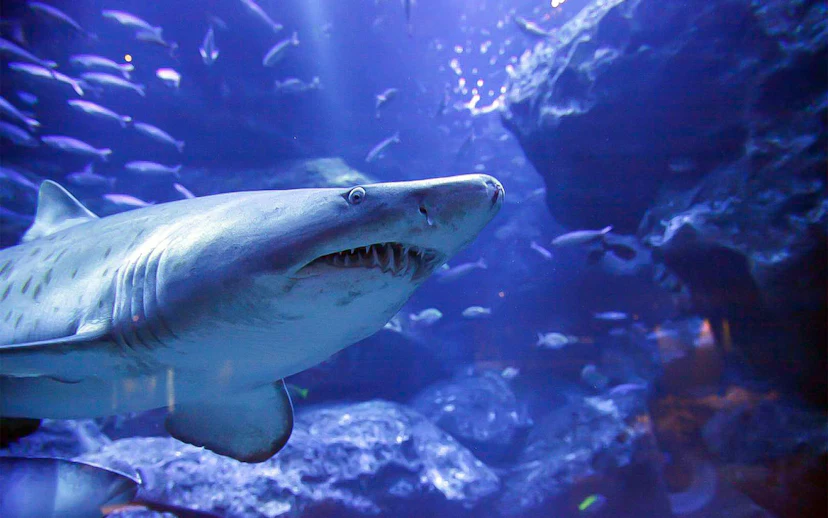
- 5th floor Ogasawara Tank: The largest reef-style habitat, with rays and larger fish → budget 15–20 minutes.
- EdoRium: Goldfish gallery with Edo-themed design and strong photo appeal → budget 10–15 minutes.
Suggested route: Start upstairs with the penguins before the café crowd builds, move next to the jellyfish while the light still feels immersive, then head down to the Ogasawara Tank and finish in EdoRium; most visitors do the reverse and end up meeting the thickest crowd at the penguin pool.
Maps and navigation tools
- Map: The venue is compact enough for a quick self-guided loop, but a floor guide helps if you want to time feedings and avoid backtracking between the 5th and 6th floors.
- Signage: Wayfinding is generally clear, though the crowd flow around the penguin zone can make it easy to miss quieter sections like Aqua Base and EdoRium.
- Audio guide / app: A full audio-led visit is not essential here because the route is short and most visitors rely on exhibit text and staff activity rather than extended narration.
💡 Pro tip: Don’t decide the penguin pool is ‘done’ after the first look from above — the lower-level viewing angle feels much closer and is often the better photo stop.
Which animals and habitats should you prioritize?

Big Petri Dish
Species / habitat: Moon jellyfish installation
This 7-meter open-top tank is the aquarium’s signature scene, and it’s more immersive than most jellyfish rooms because you see the animals from above as well as around the curved glass. The detail most visitors miss is the slow, hypnotic shift in lighting, which changes the whole mood of the tank if you stay longer than a quick photo stop.
Where to find it: Central jellyfish zone, reached from the main upper-level route.
Penguin pool
Species / habitat: Magellanic penguins
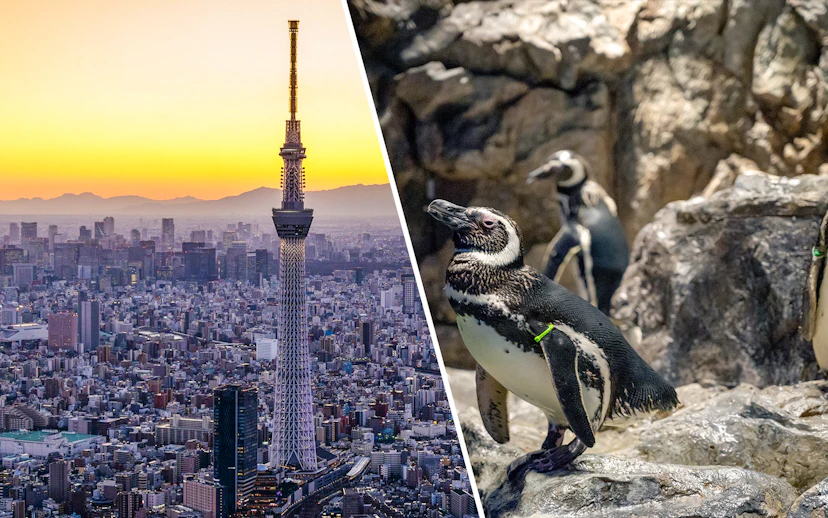
This is one of the strongest reasons to visit Sumida Aquarium: a large indoor open pool where you can watch penguins from more than 1 level instead of through a single crowded window. What most people rush past is the lower-level view, where the penguins feel faster, closer, and far more dynamic than they do from above.
Where to find it: 6th floor main atrium, beside the Penguin Café.
Ogasawara Tank
Species / habitat: Tropical reef habitat inspired by the Ogasawara Islands
For scale, this is the tank to prioritize. It brings together rays, reef fish, and larger swimmers in a way that feels unexpectedly expansive for an urban aquarium, and it shows a side of Tokyo’s marine environment many visitors don’t expect. The easy-to-miss detail is how good the side angles are — don’t just stop at the first viewing panel.
Where to find it: 5th floor main route after the upper-level exhibits.
EdoRium
Species / habitat: Traditional Japanese goldfish gallery
EdoRium is the exhibit that gives Sumida Aquarium its strongest Tokyo-specific identity. The goldfish themselves are beautiful, but the bigger reason to slow down is the staging — lanterns, gallery design, and overhead viewing make it feel more like a set piece than a standard fish corridor. Most visitors move too quickly and miss the differences in tail shape and body type across breeds.
Where to find it: 5th floor, toward the later part of the main route.
Fur-seal tank
Species / habitat: Marine mammal habitat
The fur-seal area is easy to treat as a side note to the penguins, but it’s worth a deliberate stop because the movement is completely different — faster, heavier, and more playful through the glass. The detail many people miss is that this viewing works best when you pause rather than wait for a ‘show’ moment; the animals loop back quickly if you’re patient.
Where to find it: Connected to the penguin zone on the upper level.
Facilities and accessibility
- 🍽️ Penguin Café: This is the main on-site food stop, with drinks and light bites served beside the penguin pool, but it’s busiest around lunch and feels more useful as a scenic break than a full meal destination.
- 🛍️ Gift shop / merchandise: The Sumida Aquarium shop is the easiest place to pick up aquarium-themed souvenirs after your visit, especially if you want penguin or jellyfish items without hunting through the wider complex.
- 🪑 Seating / rest areas: The café provides the most practical seated break inside the aquarium, so if you need a longer pause, build it into your route rather than hoping for lots of extra seating elsewhere.
- 🅿️ Parking: There is no dedicated aquarium parking, so you’ll use Tokyo Skytree Town parking in the same complex and pay by time spent.
- 🧭 Linked complex amenities: Because the aquarium sits inside Tokyo Solamachi, broader dining, shopping, and family services are close by once you leave the gates.
- ♿ Mobility: The aquarium is wheelchair- and stroller-accessible throughout, and the ramp-linked 5th- and 6th-floor layout is one of the easier parts of the visit if you want to avoid stairs.
- 👁️ Visual impairments: Lighting is intentionally low and some tanks rely on reflective glass and color effects, so certain exhibits are more atmospheric than easy to interpret at a glance.
- 🧠 Cognitive and sensory needs: The overall tone is calmer than a theme park attraction, but the penguin pool and feeding times are the loudest, busiest parts of the route and can feel tight in a compact space.
- 👨👩👧 Families and strollers: This is one of the aquarium’s practical strengths, because the route is stroller-friendly end to end and short enough that children usually stay engaged without a full-day energy slump.
Sumida Aquarium works well for children because the visit is short, visually strong, and built around a few easy-to-understand stars rather than a huge number of long galleries.
- 🕐 Time: 1–1.5 hours is realistic with most children, and the best family priorities are the penguins, jellyfish, and Ogasawara Tank before attention starts to drop.
- 🏠 Facilities: The biggest family advantage is the stroller-friendly layout inside a wider shopping complex, which makes breaks, snacks, and post-visit logistics easier than at a stand-alone attraction.
- 💡 Engagement: Let children compare the penguins from the upper and lower viewing levels — it turns a simple stop into a small mission and usually keeps them longer than the signs do.
- 🎒 Logistics: Arrive early if you want the calmest route, and skip a heavy schedule afterward because the nearby Skytree and Solamachi shops already make this easy to turn into a full family outing.
- 📍 After your visit: Tokyo Skytree is the easiest child-friendly follow-up because it’s in the same complex and doesn’t require another transit leg.
Rules and restrictions
What you need to know before you go
- Entry requirement: You’ll need a valid same-day ticket or timed e-ticket, and children under 3 can enter free.
- Booking method: Online timed entry is the smoother choice on busy days because the main delay is usually the purchase line, not the aquarium route itself.
- Bag policy: Small bags are easiest because the galleries are compact and the busiest viewing points don’t leave much room for bulky luggage.
- Re-entry policy: Standard admission does not allow re-entry, so once you leave for shopping or food in Solamachi your aquarium visit is over.
Not allowed
- 🚫 Food and drink: Outside food and drinks are best kept for before or after your visit, with the Penguin Café serving as the on-site exception inside the route.
- 🚬 Smoking / vaping: Smoking and vaping are not part of the indoor aquarium environment, so plan for a break outside the exhibit areas if needed.
- 🐾 Pets: Pets are not part of a standard visit, while service animals should follow the venue’s access policy.
- 🖐️ Touching exhibits: Don’t tap glass or try to interact physically with animals, especially around the penguin and jellyfish zones where crowd behavior affects everyone’s view.
Photography
Photos and video are generally part of the experience here, and the aquarium’s design clearly expects people to stop for them. The main distinction is practical rather than room-by-room: use non-flash photography around tanks, be careful with reflections in darker zones, and avoid large accessories that block narrow viewing spaces. Flash is the thing to leave off, especially around the jellyfish and penguin areas.
Good to know
- Combo rule: If you book a Skytree combo, the visit order matters on some tickets, and many require you to use the tower first and the aquarium after.
- Hours surprise: Don’t rely on a generic closing time from memory, because date-specific hours can change and evening access is not the same every day.
Practical tips
- Booking and arrival: Book your timed ticket a few days ahead for weekends, school breaks, and rainy-day visits, because even when the aquarium itself doesn’t sell out, the on-site purchase line is what eats into a short Tokyo itinerary.
- Pacing: Don’t spend your best attention at the first penguin viewpoint and rush the rest — save time for the lower-level penguin glass and the Ogasawara Tank, which usually reward a slower stop.
- Crowd management: The first hour after opening is the sweet spot here, because you’ll see the signature tanks before Skytree foot traffic and lunch-hour café queues compress the route.
- What to bring or leave behind: Bring a small bag and keep your hands free for photos; this is a compact aquarium, and narrow viewing areas feel tighter when people carry shopping and large backpacks.
- Food and drink: If you want the Penguin Café for the atmosphere, treat it as an early or late break rather than a noon lunch plan, when the queue and the seating scramble are at their worst.
- Same-day pairing: If you’re combining the aquarium with Tokyo Skytree, do the aquarium first for a gentler start, then save the tower for later when the aquarium crowd builds and the city views improve.
What else is worth visiting nearby?
Commonly Paired: Tokyo Skytree
Distance: 5-minute walk in the same complex
Why people combine them: It’s the easiest same-day pairing in Tokyo because you move from a short indoor aquarium visit to a headline skyline experience without changing neighborhoods.
✨ Sumida Aquarium and Tokyo Skytree are most commonly visited together — and simplest to do on a combo ticket. The practical advantage is convenience: 2 major sights, 1 arrival point, and no extra transit leg.
Commonly Paired: Senso-ji Temple and Asakusa
Distance: About 15 minutes on foot, or 1 short metro hop
Why people combine them: The pairing works because Asakusa gives you Tokyo’s older street atmosphere before or after a very modern Skytree-area attraction, so the day feels more balanced than staying in 1 complex.
Also nearby
Sumida River Cruise
Distance: About 15–20 minutes away via Asakusa
Worth knowing: This is a good add-on if you want a slower second half to the day after the aquarium and tower crowds.
Tokyo Solamachi
Distance: Immediate — same complex
Worth knowing: It’s the most practical stop nearby for shopping, snacks, and family downtime, especially if you don’t want to add another transit leg after the aquarium.
Eat, shop and stay near Sumida Aquarium
- On-site: Penguin Café serves drinks and light food beside the penguin pool; it’s memorable for the setting more than for a full meal, and it gets crowded around lunch.
- Tokyo Solamachi restaurant floors: 1–5-minute walk, same complex; these are the best fallback if you want a proper meal after your visit, with far more choice than the aquarium café and no pressure to give up your table quickly.
- Tokyo Solamachi Food Marche: 2–3-minute walk, same complex; better for quick, casual food if you want to keep the day moving toward Skytree or the train station.
- Asakusa dining streets: 15-minute walk, Asakusa; a smarter post-visit option if you’re heading there anyway and want a more atmospheric meal than staying in the mall complex.
- 💡 Pro tip: If sitting by the penguin pool matters more than the food itself, go early or after 3pm — lunchtime is when the café is most likely to have a queue and no open seats.
- Sumida Aquarium Shop: Best for penguin, jellyfish, and aquarium-themed souvenirs tied directly to the visit, right after you exit.
- Tokyo Solamachi souvenir floors: Better if you want broader Tokyo gifts rather than aquarium merchandise, and they’re easier to browse without the crowd pressure of the exhibit route.
- Tokyo Solamachi character and lifestyle stores: Useful if you’re already staying in the complex and want to turn the aquarium visit into part of a longer shopping stop.
Oshiage and the Skytree area are convenient rather than romantic. You can walk to the aquarium, Skytree, and Solamachi easily, so it works well for a short stay built around simple logistics, families, or an early airport transfer day. For a longer Tokyo base, though, the neighborhood feels more functional than atmospheric.
- Price point: The area skews mid-range to upper-mid-range because you’re paying for convenience around a major Tokyo landmark rather than for boutique neighborhood character.
- Best for: Short stays where you want a low-stress visit, direct station access, and easy family logistics.
- Consider instead: Asakusa if you want more evening atmosphere and easier temple-area wandering, or Ueno if you want a stronger museum, park, and transport base for a longer Tokyo stay.
Frequently asked questions about visiting Sumida Aquarium
Most visits take 1–2 hours. If you move briskly and focus on the penguins, jellyfish, and Ogasawara Tank, you can finish in about 1 hour, but the café, a feeding, or a slower family visit usually pushes it closer to 90 minutes or 2 hours.
No, but it’s a good idea on weekends, holidays, and rainy days. The main benefit is saving time at the ticket counter, because the aquarium is compact enough that losing 20–30 minutes before you enter can noticeably shrink the visit.
Yes, if your day is tightly planned or you’re pairing it with Tokyo Skytree. The biggest queue here is usually ticket purchase rather than security, so a timed e-ticket is less about ‘VIP entry’ and more about keeping a short attraction from turning into a slow start.
Arrive about 10–15 minutes early. That gives you enough time to find the entrance inside Tokyo Solamachi without rushing, and it matters more than you’d think because the aquarium sits inside a large complex rather than on a street-facing doorway.
Yes, but keep it small if you can. The aquarium is stroller- and wheelchair-friendly, but several viewing points are compact, so large shopping bags or bulky backpacks make the busiest tanks feel tighter for you and everyone around you.
Yes, photos and video are generally allowed, and this is a very photogenic aquarium. Keep flash off, especially around the darker jellyfish and penguin areas, and be mindful that narrow viewing windows make tripods, big accessories, or long stops more disruptive than they are elsewhere.
Yes, and the aquarium does offer group and school-style educational programs. For a standard leisure visit, though, smaller groups work better because the route is compact and the best viewing spots at the penguin pool and jellyfish tank don’t hold large clusters comfortably.
Yes, it’s one of the easier family aquariums to manage in Tokyo. The route is short, stroller-friendly, and visually strong enough for younger children, and the biggest advantage is that you can pair it with food, rest breaks, and other family-friendly stops in Tokyo Solamachi without extra transit.
Yes, the aquarium is wheelchair accessible throughout. The 5th- and 6th-floor layout is linked in a way that makes moving between levels straightforward, and it’s also practical for strollers, though popular tanks can still feel crowded during peak hours.
Yes. Inside the aquarium, Penguin Café is the main option for drinks and light food, while Tokyo Solamachi has many more substantial dining choices right outside once you finish. Because re-entry is not allowed, decide before leaving whether you want the scenic café stop or a fuller meal after the visit.
Yes, and that’s one of the most practical ways to plan the area. The aquarium usually takes 1–2 hours, so it fits easily into a half-day or full-day Skytree Town plan, and combo tickets make the pairing simpler if you already know you want both.
The best time is the first hour after opening or later in the afternoon after about 4pm. Those windows usually give you better sightlines at the penguin and jellyfish zones, while noon to mid-afternoon is when the aquarium feels most crowded for its size.