About Tokyo Grand Sumo Tournament | Highlights, visitor’s guide, & more

What is the Tokyo Grand Sumo Tournament?

The Tokyo Grand Sumo Tournament is one of Japan’s six official professional sumo tournaments, held at Ryogoku Kokugikan in the Ryogoku district. Tokyo hosts three tournaments each year, typically in January, May, and September.

Over 15 consecutive days, wrestlers from different divisions compete once per day. The atmosphere builds gradually, from quieter morning matches to high-stakes top-division bouts in the late afternoon. It is both a sporting championship and a cultural event, where ritual, ceremony, and competition unfold inside a purpose-built sumo arena.

Plan your visit to Tokyo Grand Sumo Tournament

Opening hours

The Tokyo Grand Sumo Tournament is held three times a year at Ryogoku Kokugikan: January 11–25, 2026 (Hatsu Basho), May 10–24, 2026 (Natsu Basho), and September 13–27, 2026 (Aki Basho).

Each tournament runs for 15 consecutive days.

Timings:

  • Arena opens: ~8am
  • Top division (makuuchi) bouts: ~3:30pm – 6pm
  • Final match: Around 6pm

Best time to visit:

  • Weekdays: Less crowded, easier seat selection.
  • Weekends & final days: High energy, fuller arena.
  • Morning: Calm atmosphere, ideal for families and first-time visitors.
  • Afternoon (3–6pm): Peak excitement as top-ranked wrestlers compete.
Location

The tournament takes place at: Ryogoku Kokugikan (National Sumo Arena), 1-3-28 Yokoami, Sumida City, Tokyo 130-0015, Japan

Located in the historic Ryogoku district, considered the heart of sumo culture.

Nearest stations:

  • JR Sobu Line “Ryogoku Station” – 2 min walk
  • Toei Oedo Line “Ryogoku Station” – 5 min walk

Driving is not recommended due to limited parking and central Tokyo traffic.

What to do at the Tokyo Grand Sumo Tournament?

Watch top-division bouts

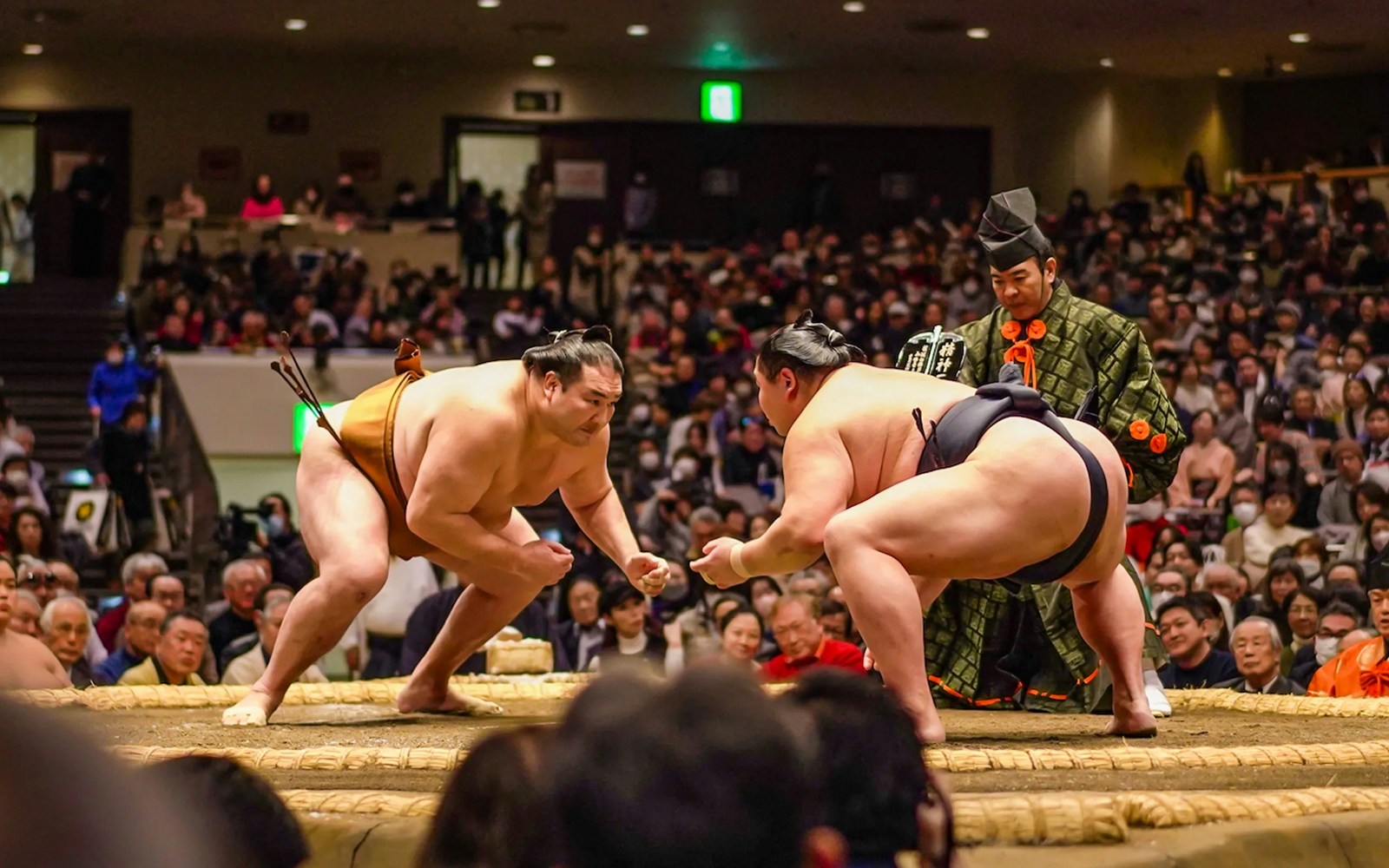
The makuuchi division competes in the late afternoon. Matches are short, intense, and often decided in seconds. Arrive before 4:00 PM to see the strongest wrestlers face off in front of a full arena.

Experience traditional rituals

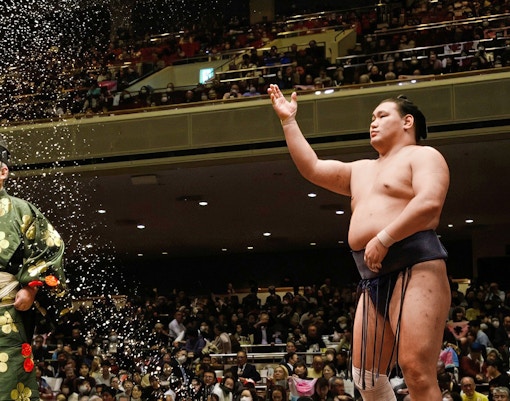
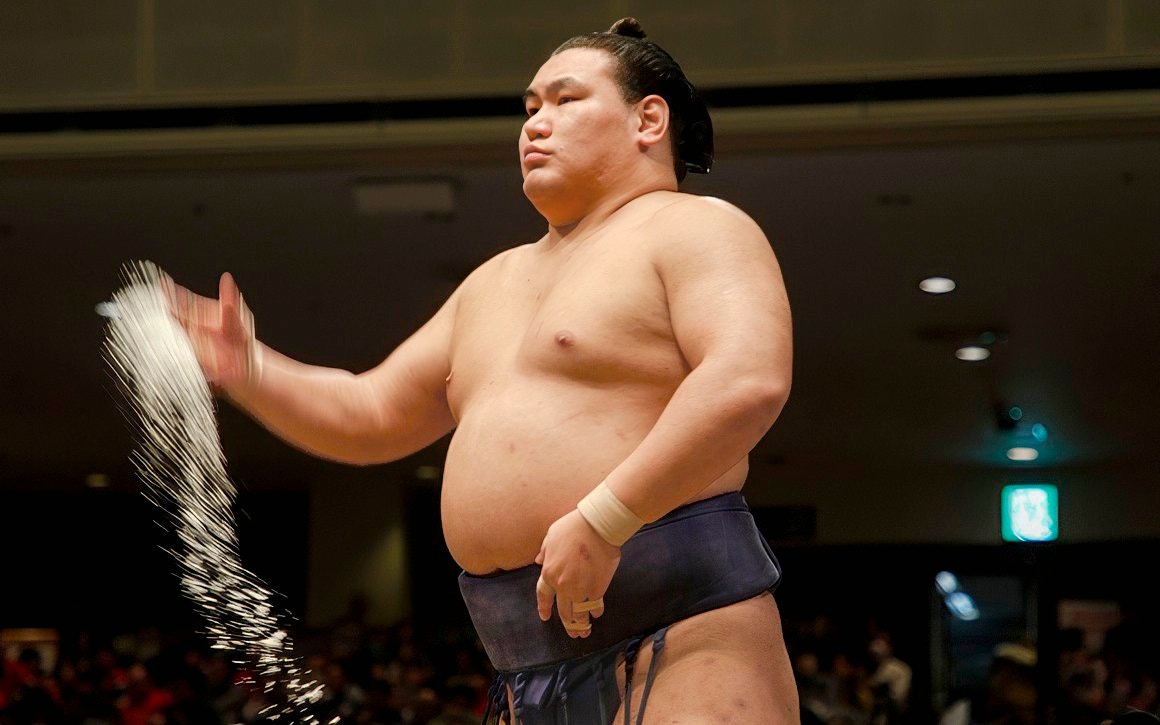
Before each match, wrestlers perform purification rituals including salt throwing and ceremonial stomping. These moments reflect the sport’s Shinto origins and are central to the live experience.

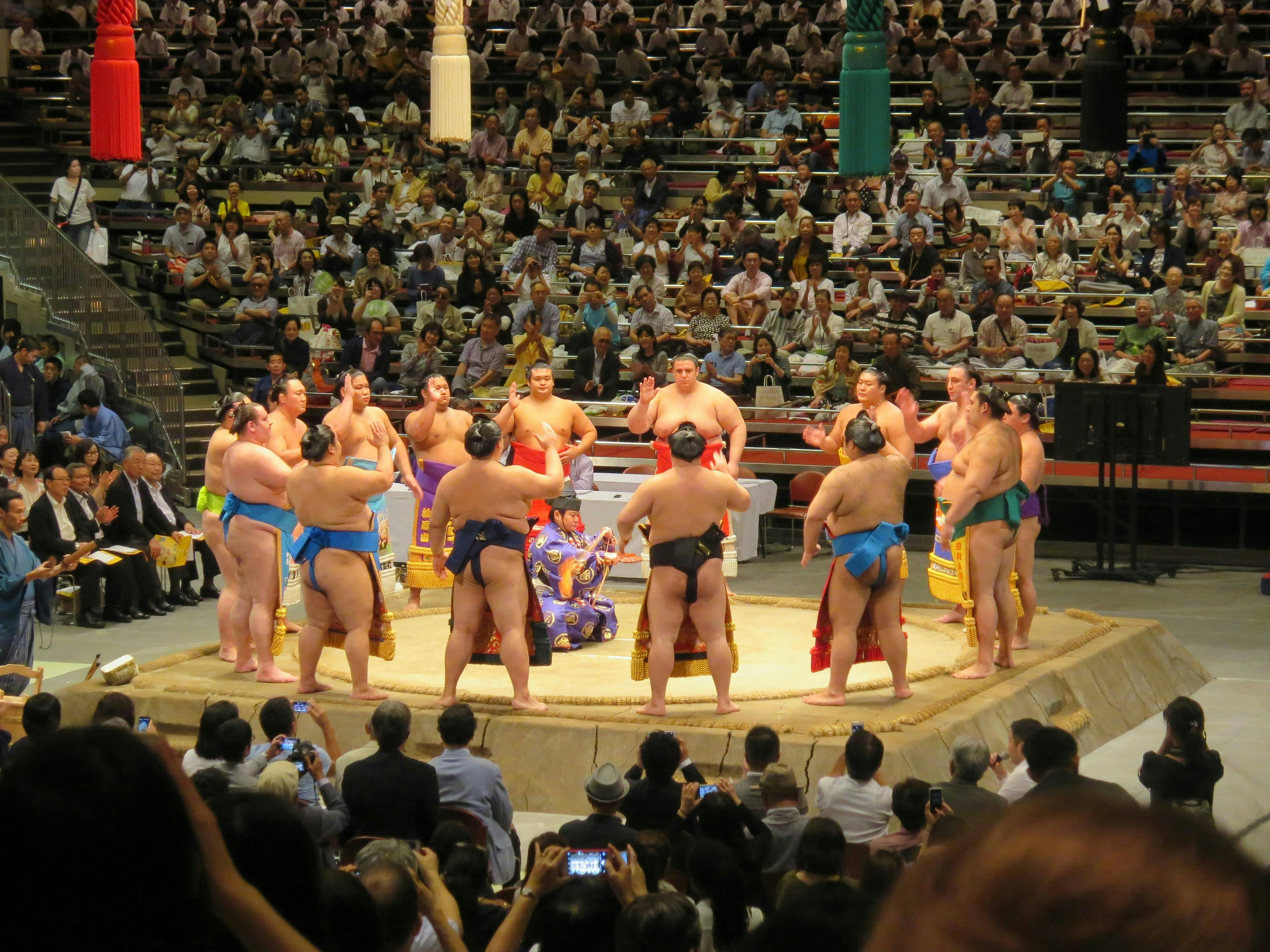
Attend the ring-entering ceremony

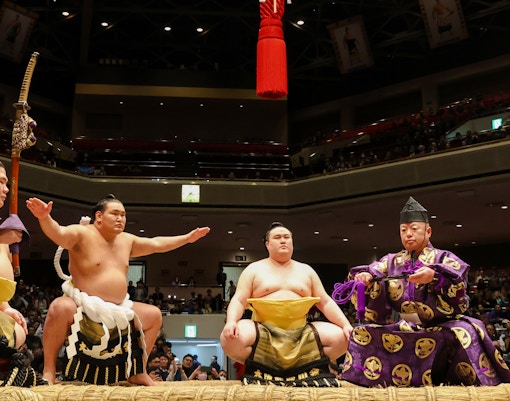
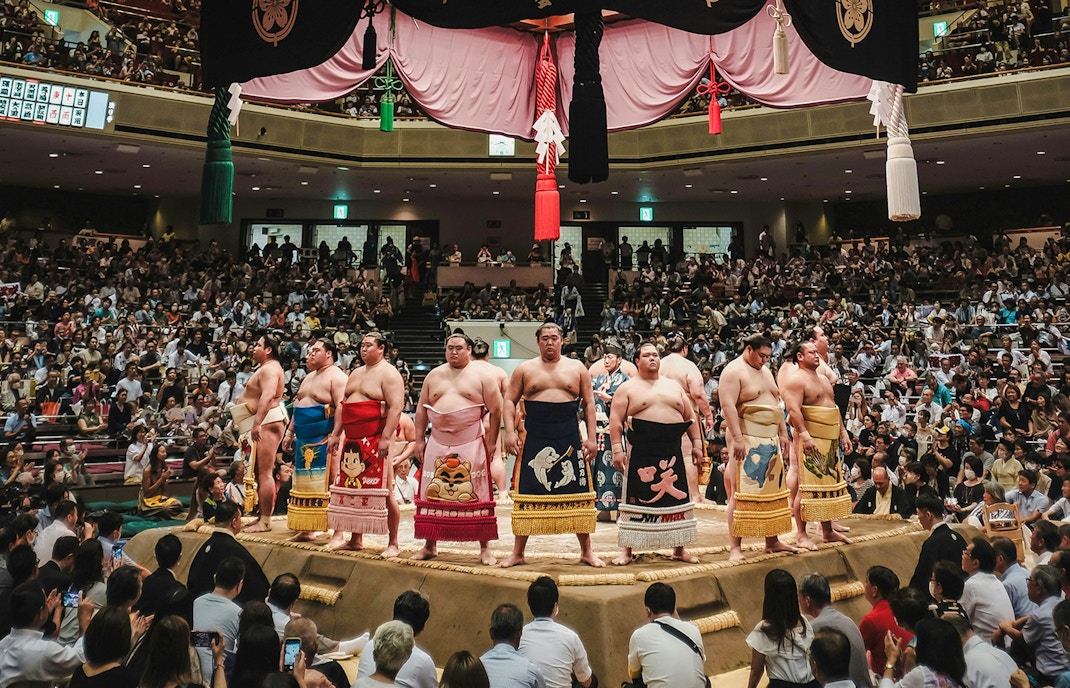
The dohyō-iri ceremony introduces top-division wrestlers wearing elaborate silk aprons. The synchronized movements and formal presentation make this one of the most visually memorable parts of the day.

Explore sumo culture in Ryogoku

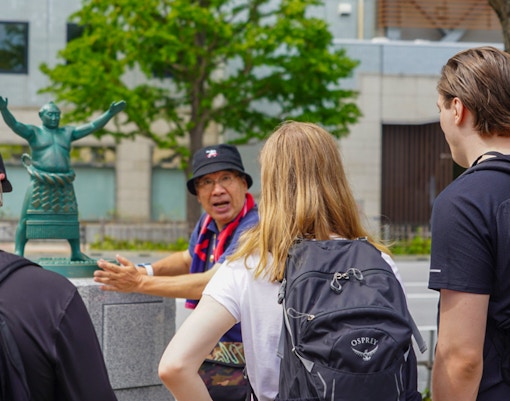
Ryogoku is Tokyo’s sumo district. Before or after the tournament, walk around the neighborhood to spot sumo-themed restaurants, stable buildings, and statues of legendary wrestlers.

What to see at Tokyo Grand Sumo Tournament?

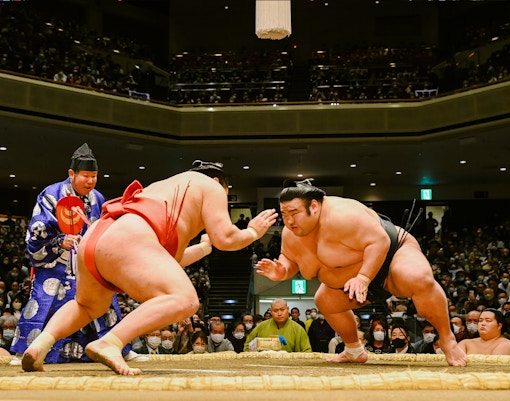
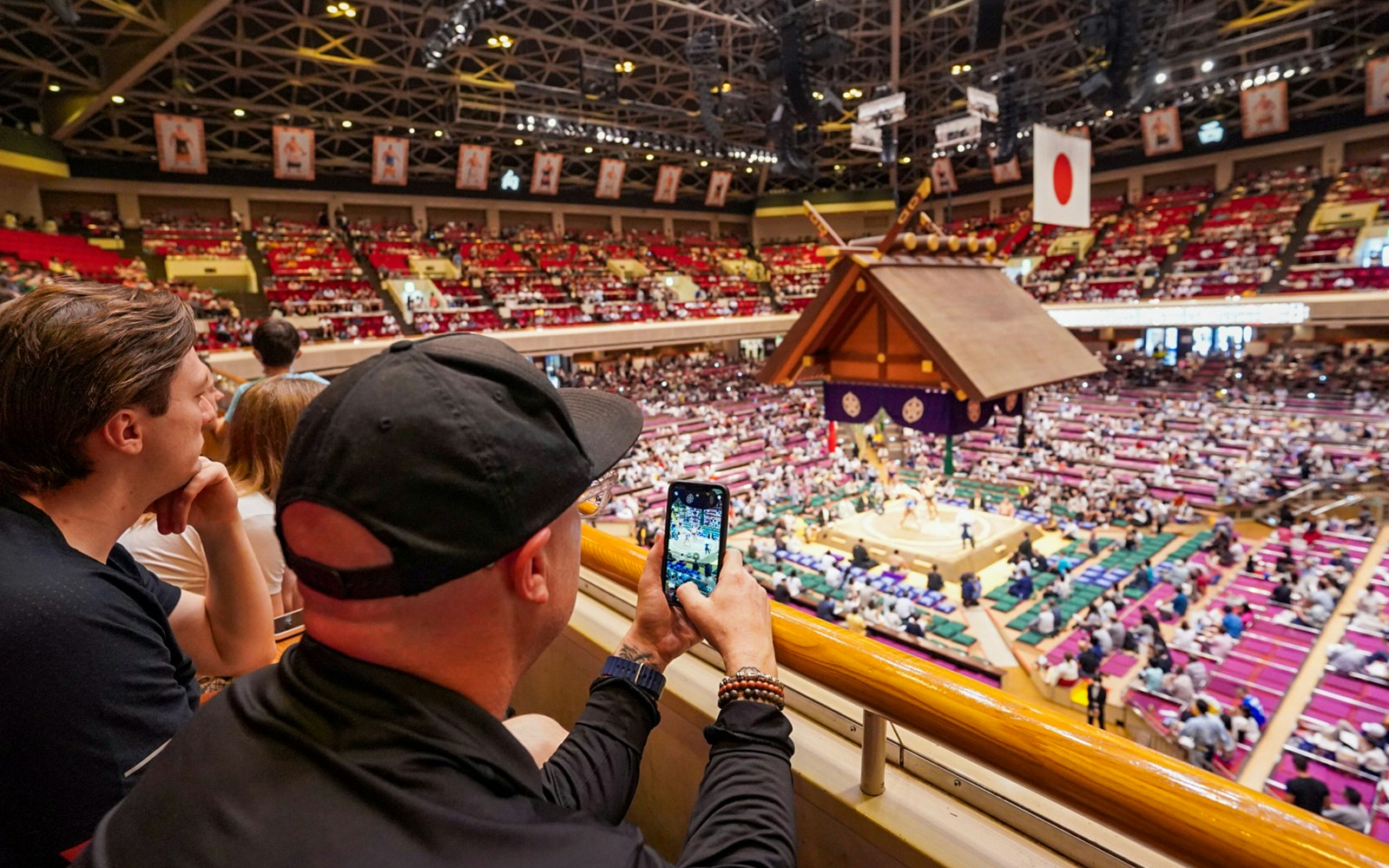
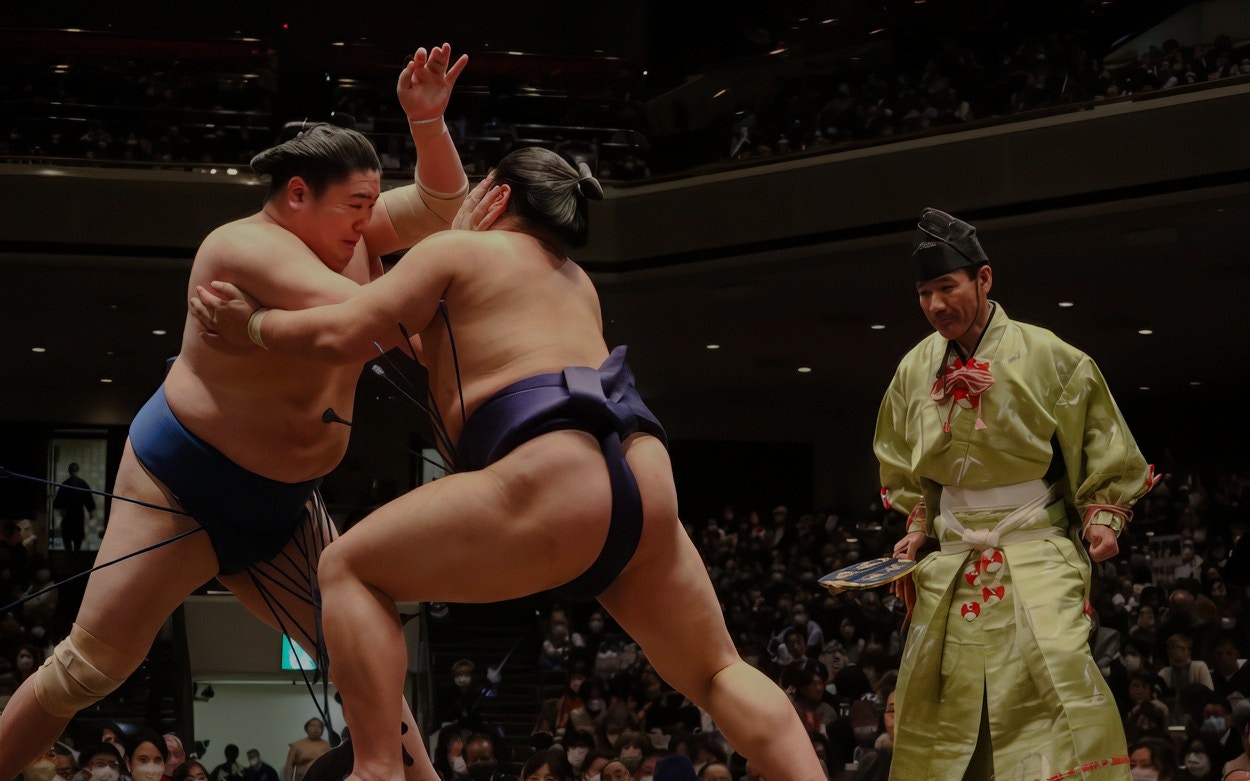
Spectators watching a sumo match at Ryogoku Kokugikan in Tokyo.

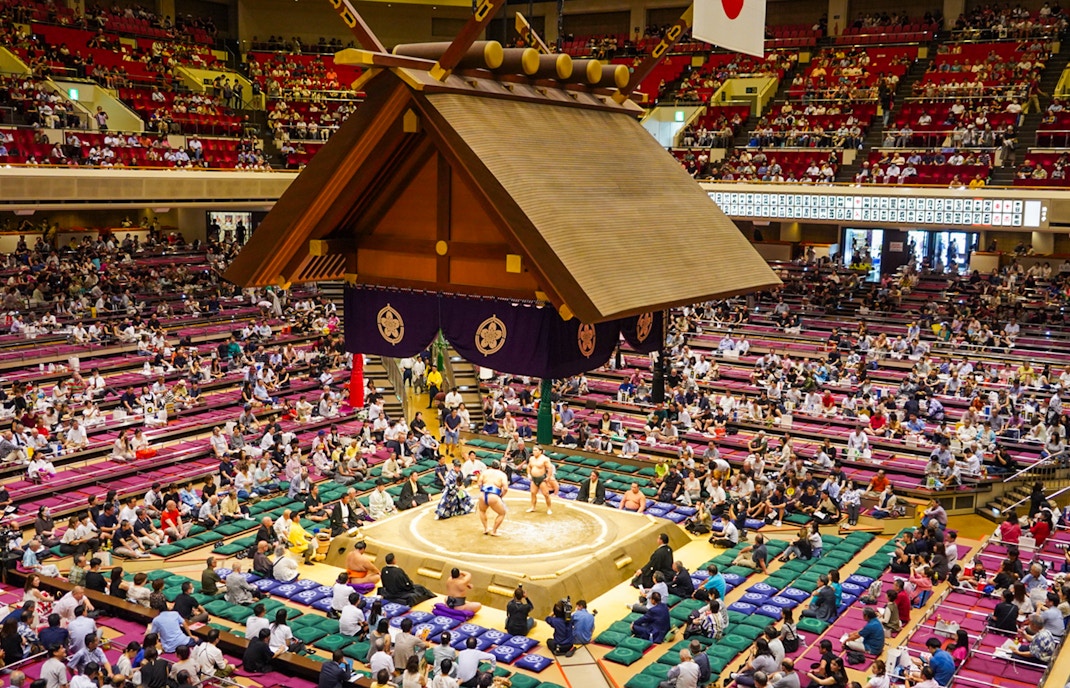
Dohyō under the shrine-style roof

The raised clay ring sits beneath a symbolic roof resembling a Shinto shrine. From every seat, attention centers on this sacred space.

Sumo wrestlers face off in Ryogoku arena during Tokyo tournament.
Sumo wrestlers in a Tokyo ring with a large crowd watching.
Sumo wrestler performing salt ceremony in Japan.
Sumo wrestlers competing in a Tokyo arena with a referee observing.

History of the Tokyo Grand Sumo Tournament in a nutshell

Sumo originated more than a thousand years ago as a Shinto ritual performance. Over time, it developed into a structured professional sport governed by the Japan Sumo Association.

Tokyo’s Ryogoku Kokugikan has long been considered the heart of professional sumo. The arena regularly hosts three of the six annual tournaments, making Tokyo the central stage of the sport. Rankings are updated after each tournament, and promotions or demotions depend entirely on performance across the 15 days. Every bout directly affects a wrestler’s career progression.

Tournament structure and rankings

Wrestlers compete once per day over 15 days. Divisions range from lower tiers to the elite yokozuna rank. The competitor with the best overall record wins the championship.

Rankings are recalculated after each tournament. A strong performance in Tokyo can elevate a wrestler’s position, while poor results can lead to demotion, making every match meaningful.

Tips for visiting the Tokyo Grand Sumo Tournament

  • Check the daily schedule: Top-division matches and the ring-entering ceremony happen later in the afternoon. Plan your arrival to catch these highlights.
  • Choose your seat type carefully: Box seats involve floor seating and shared space. Chair seats provide back support and individual comfort.
  • Arrive before the ceremony: The ring-entering ceremony adds cultural context and is worth seeing before the main matches begin.
  • Follow arena etiquette: Avoid flash photography and moving around during active bouts. The atmosphere is focused and respectful.
  • Pack light: A compact bag is easier to manage in seating areas. Bring essentials only.

Frequently asked questions about Tokyo Grand Sumo Tournament

It is known for hosting three of Japan’s six annual Grand Sumo tournaments at Ryogoku Kokugikan, featuring top-ranked wrestlers competing over 15 days.