Tickets Tokyo


From happy customers

Loved by 51 million+
Trustpilot rating: 4.5 out of 5

Marc B

Couple
2 weeks ago
Lilly was our guide; she was very enthusiastic and gave clear explanations. The preparation was helpful in understanding the tournament.

Mehmet A

Turkey
Couple
2 weeks ago
Sumo wrestling, being a part of traditional japanese culture All games are interesting but especially high rafting wrestlers in the afternoon were very exciting

Gregory M

Hong Kong
Family
2 weeks ago
The performance was great ! Very interesting and impressive performance. The atmosphere was amazing.Sumos were funny & joyfully . Very nice moment .

Caroline M

Australia
Group
May 2026
This was one of our favourite things to do in Japan. Highly entertaining, informative and funny show. Service was outstanding and the show was just incredible!!! A must thing to do in Japan.

Lovro O

Austria
Solo
Mar 2026
For this unique experience where you learn about the history of sumo (you will be surprised by how old this tradition is!) and get a short practice at the sumo stable I cannot give more praise. The lunch following this is also very good. Bring some cash as they offer some extras after lunch (such as different shirts and sumo belts).

Ancelin N

France
Solo
Jan 2026
I could discover a little part of the daily life of the sumotori, rules of a fight, attend small fights . When the sumotoris were on the stage it was good. The voice of the lady who moderated the show was unbearable : too high, too hectic. Food was average. My table mates were pleasant. It was a good introduction of the sumo world.

Top things to do in Tokyo

The Grand Sumo Tournament in 30 seconds
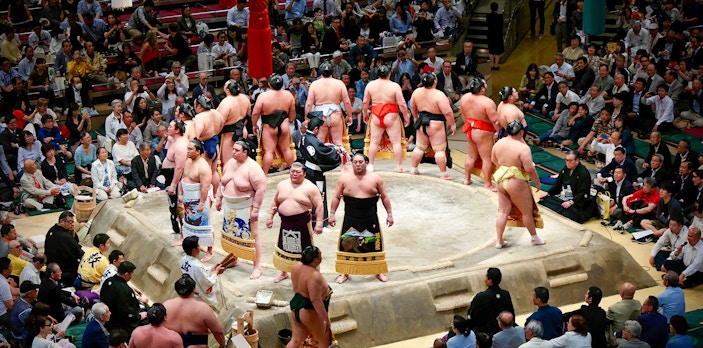
  • What it is: Japan's biggest sporting spectacle, live: an official Grand Sumo Tournament at Ryōgoku Kokugikan, the 11,000-seat spiritual home of the sport.
  • When it happens: Three Tokyo tournaments a year: January, May and September, 15 days each. No tournament outside those windows.
  • How long: Guided experiences run 4–5.5 hours across the afternoon's top-division action; the stadium itself runs bouts from morning.
  • How it's sold: Guided tournament tickets with a reserved seat (A, B, C or S class), a pre-event lecture from a licensed English-speaking guide, an English sumo booklet and the official banzuke-hyō ranking sheet. A and S seats add the Kokugikan yakitori set, a drink and a cheering towel.
  • Cost: From ¥19,000.
  • The gate: The calendar. Your Tokyo dates either overlap a tournament or they don't: check first, book immediately after.
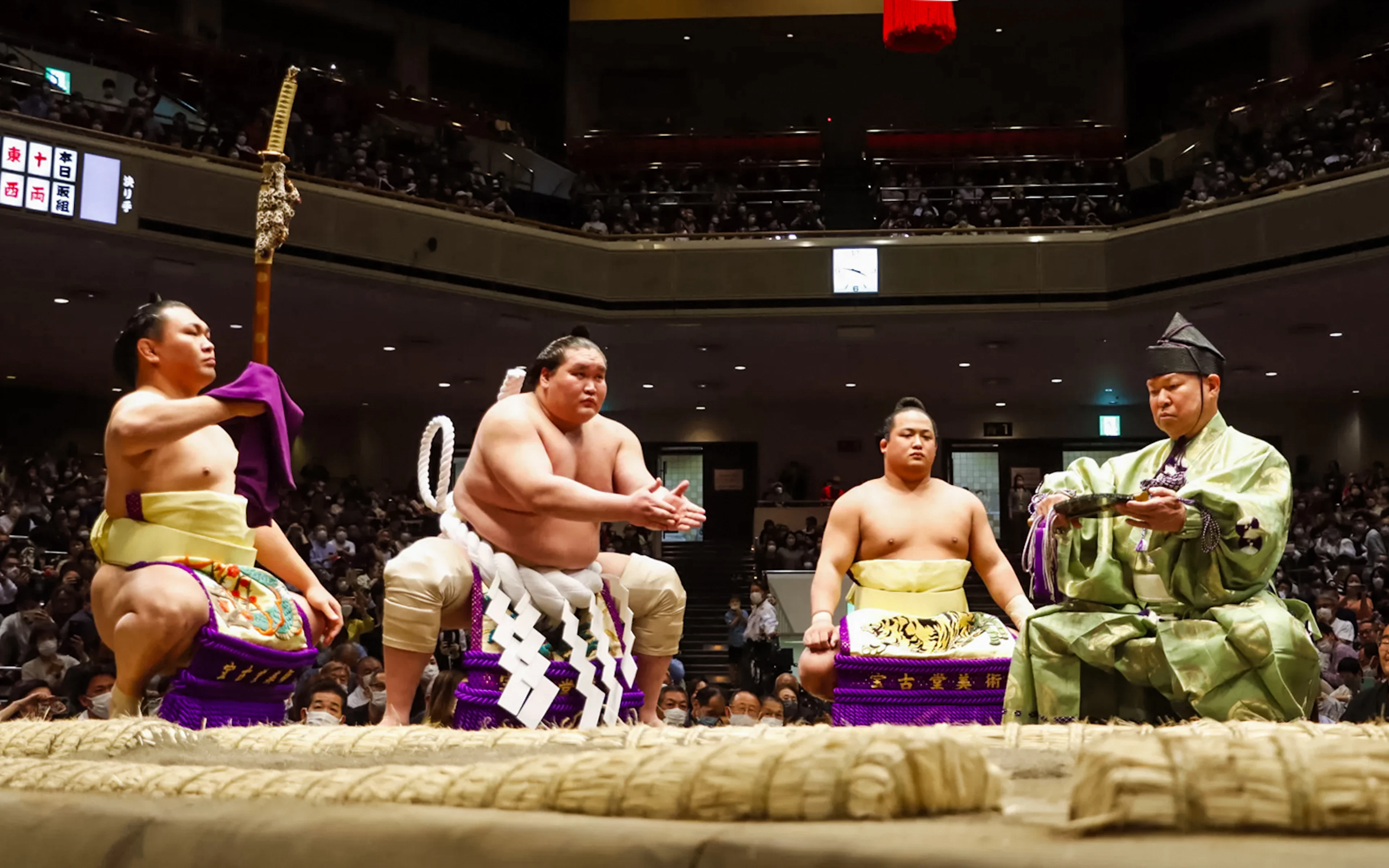
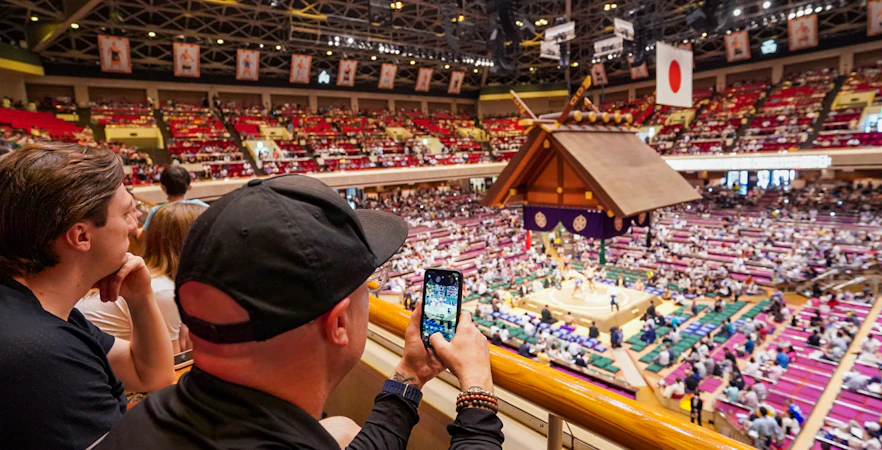
Sumo wrestlers in a Tokyo arena during a tournament, surrounded by an audience.
🎟️ Check this before planning your trip

Forty-five tournament days a year, and the closing weekends sell first: if your trip overlaps Jan, May or Sep, lock the seat before you plan anything else.

How a tournament day unfolds, start to finish

TimeWhat happens

Morning

The stadium opens early and lower-division bouts run throughout the day. The arena is quieter, making it a good time to explore and watch up-and-coming wrestlers.

Before the top division

Guided experiences typically begin with an English introduction covering the rules, rituals, and ranking system of professional sumo.

Ceremonial entrances

The dohyō-iri sees the top division enter the ring in ceremonial aprons, followed by the yokozuna's ring-entering ceremony, one of the day's most iconic moments.

Main tournament bouts

The makuuchi division takes over. Long rituals of salt throwing and stare-downs often end in seconds of explosive action once the wrestlers charge.

Closing ceremony

The traditional yumitori-shiki bow-twirling ceremony closes the day before crowds head out into Ryōgoku.

What you'll see and do at the Grand Sumo Tournament
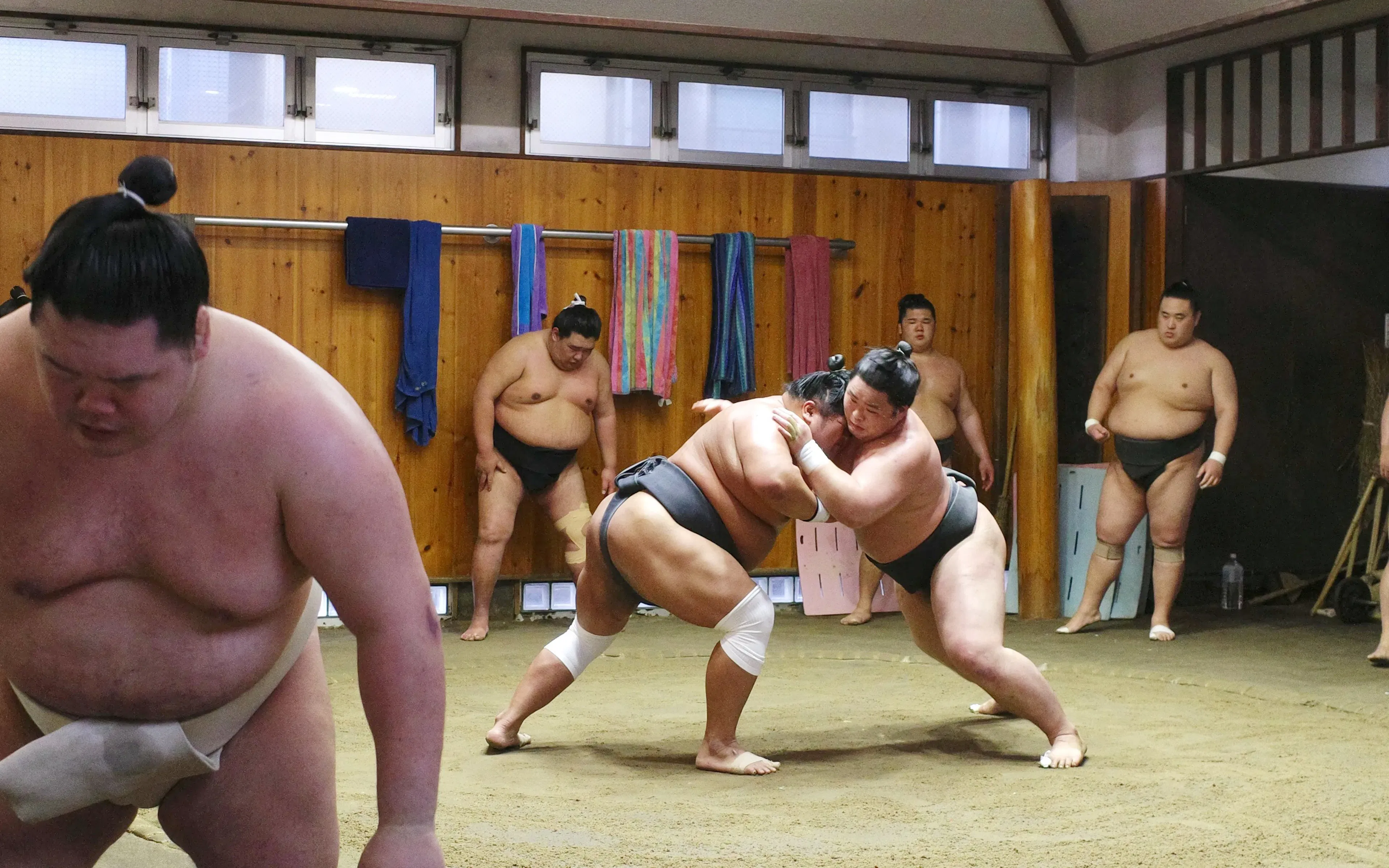
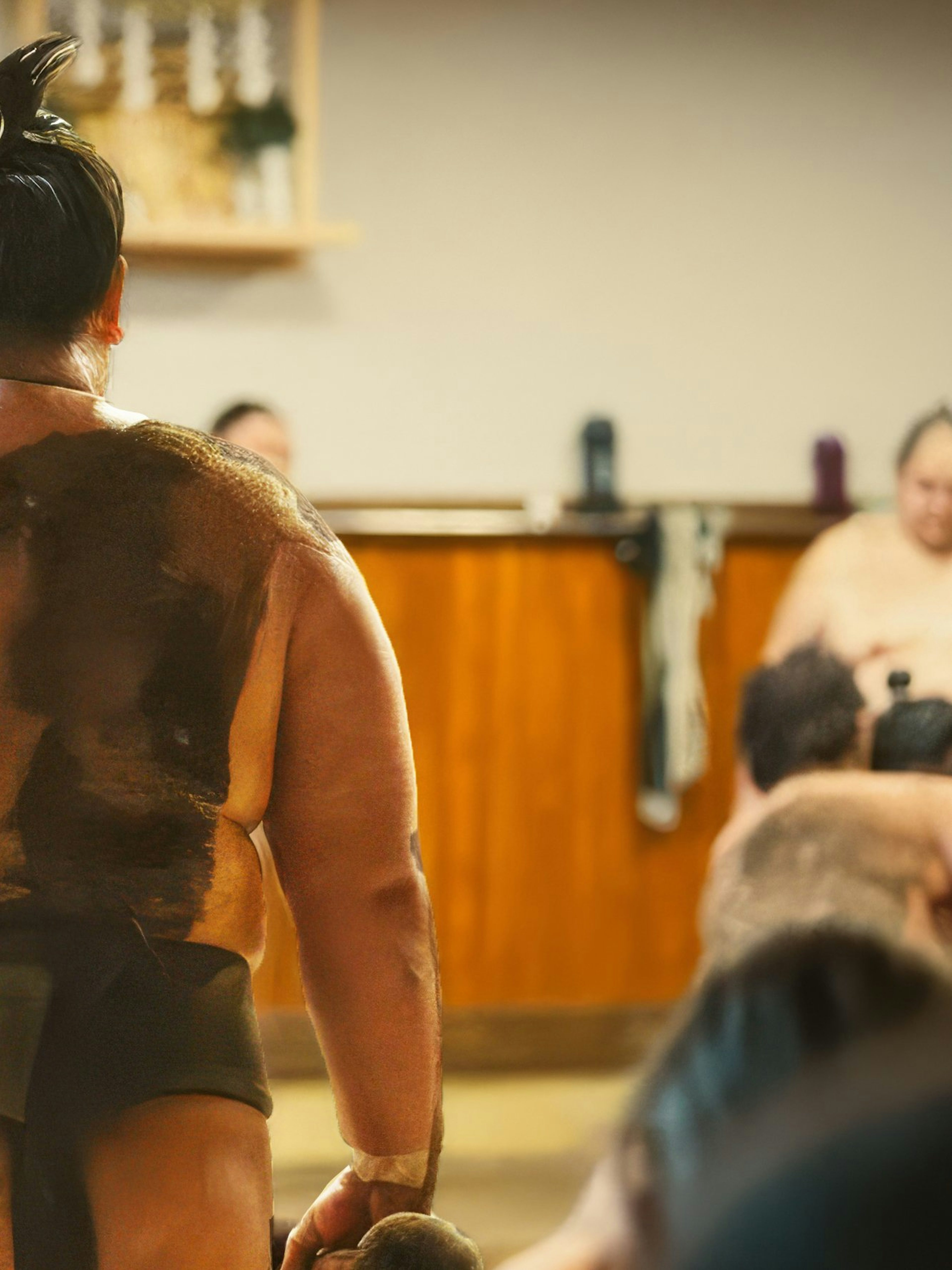
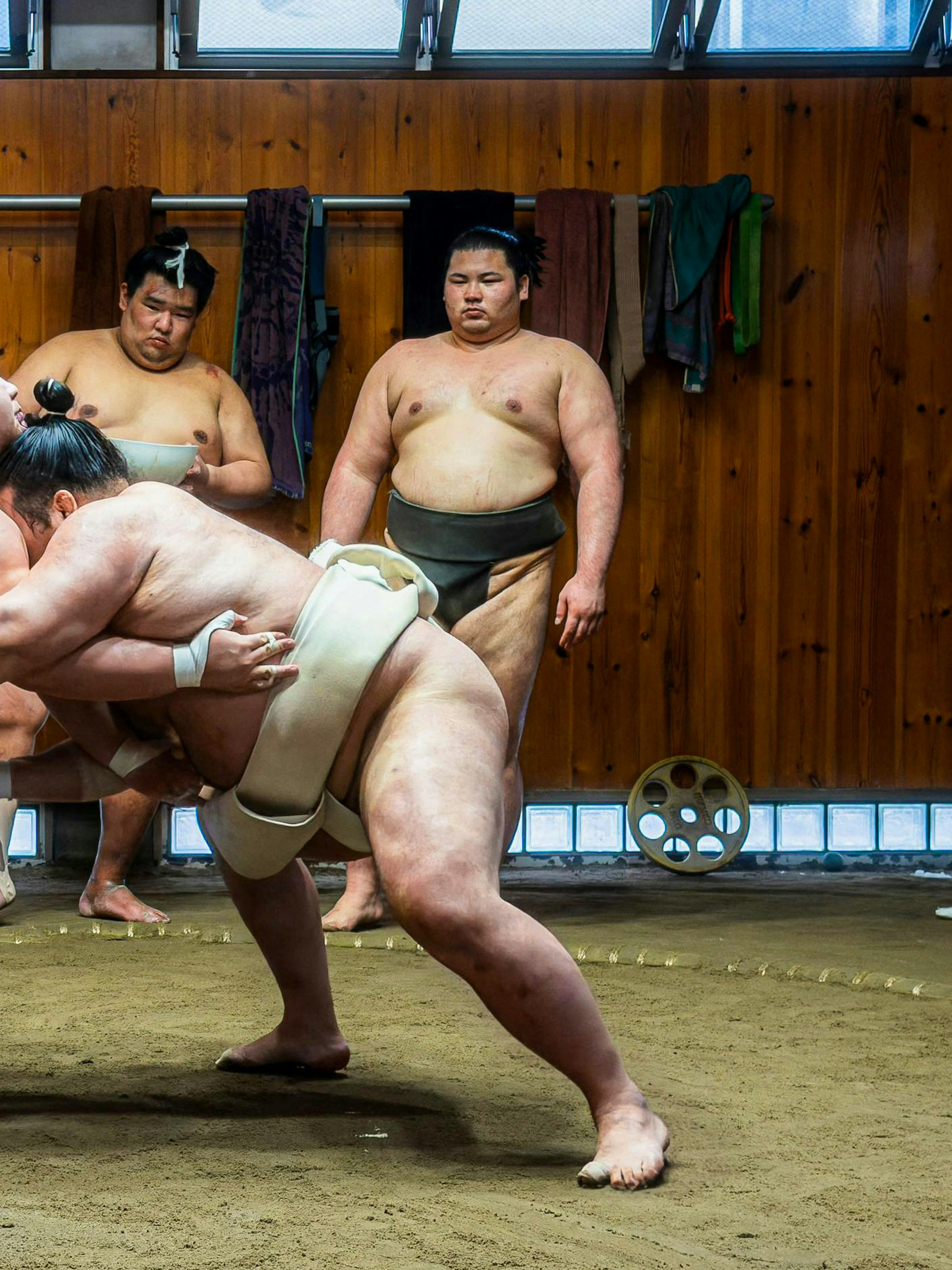
Sumo wrestlers practicing in a dojo during a morning session in Asakusa.
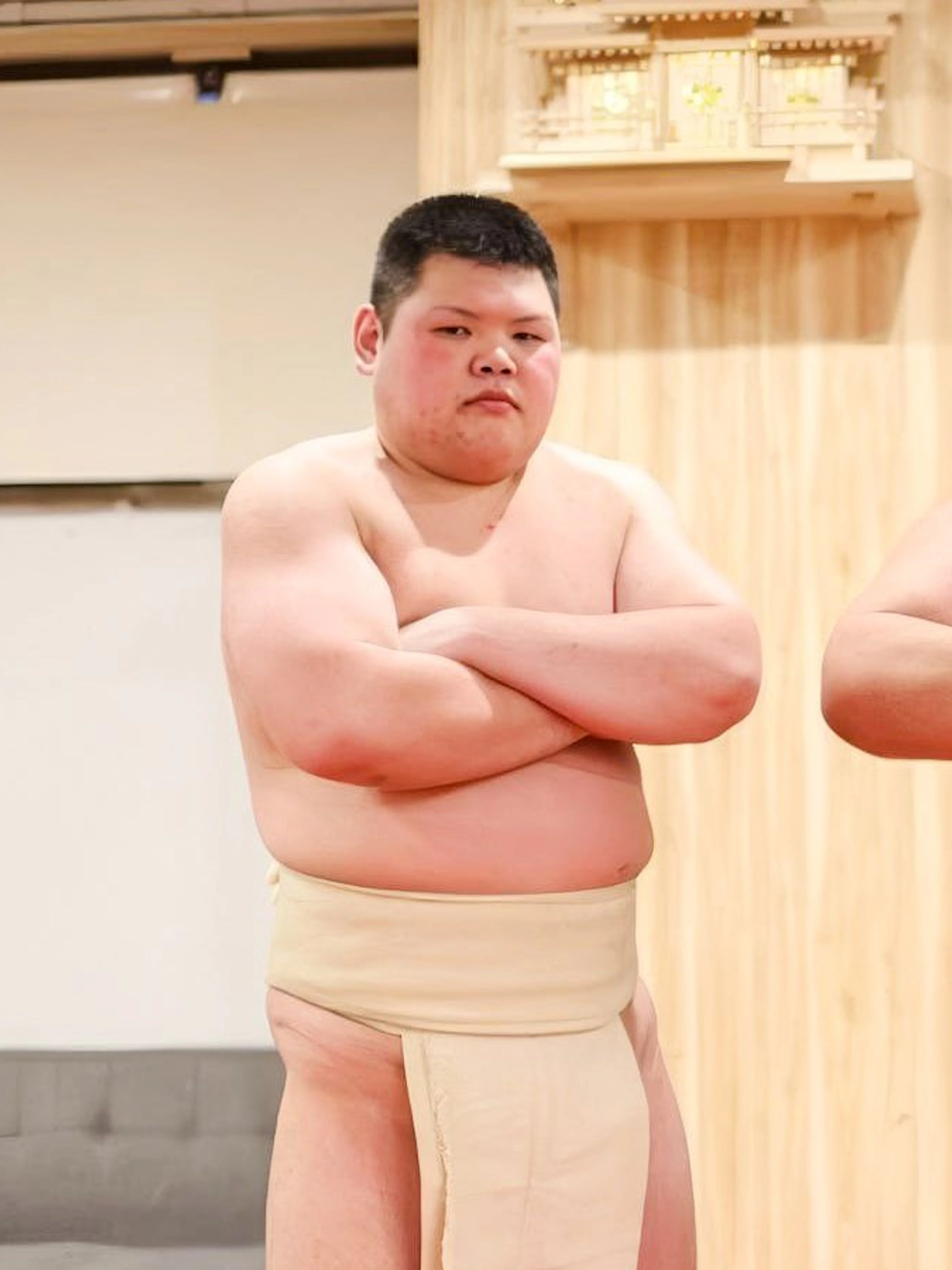
Sumo wrestler preparing for a match at Nagoya Grand Sumo Tournament.
Sumo wrestlers prepare for a match in a crowded Japanese arena.
Sumo wrestler tossing salt during a traditional ceremony in Japan.
Assorted bento boxes at The Sumo Hall Hirakuza Osaka, featuring sushi, tempura, and traditional Japanese dishes.
Sumo wrestlers prepare for a match in a crowded Japanese arena.
1/6

The makuuchi bouts

The top division, ~4–6pm daily: the sport's full drama compressed into ritual, then seconds of impact. An actual tournament with real stakes, not a staged show.

The dohyō-iri

The ceremonial ring entrance at ~3:45pm, followed by the yokozuna's solo ceremony.

Your match-day materials

The English sumo booklet plus the official banzuke-hyō ranking sheet with every guided ticket, so each bout reads as a stake in the standings, not a mystery.

The pre-event lecture

A licensed English-speaking guide decodes the rules, rituals and rankings before the action starts.

The Kokugikan yakitori set 🎟️ (A/S seats)

The stadium's specialty skewers with a drink and a cheering towel; bento and snacks are sold inside for everyone else.

The Sumo Museum

Inside Ryōgoku Kokugikan itself: centuries of history, legendary wrestlers and ceremonial attire. Go before the ceremonies.

Which tournament option is right for you?

OptionWhat you getPick it ifFrom

🎫 Tournament — B/C seats

Reserved second-floor seat, English lecture, booklet and banzuke-hyō ranking sheet

You want the official tournament experience at the best value

¥19,000

⭐ Tournament — A/S seats

Everything above plus a closer view of the dohyō, yakitori set, drink and cheering towel

You're attending once and want the best match-day atmosphere

Per option

🥋 No tournament? Classic Sumo Show · Shinjuku

Live bouts, bilingual commentary, Q&A, ring challenge and souvenir photo

Your dates miss the tournament but you still want to watch sumo live

¥10,792

🌅 No tournament? Morning Practice · Asakusa

Watch active wrestlers train with expert commentary

You want the closest alternative to seeing real professional sumo

¥20,400

🤼 No tournament? Interactive Sumo Show · Ginza

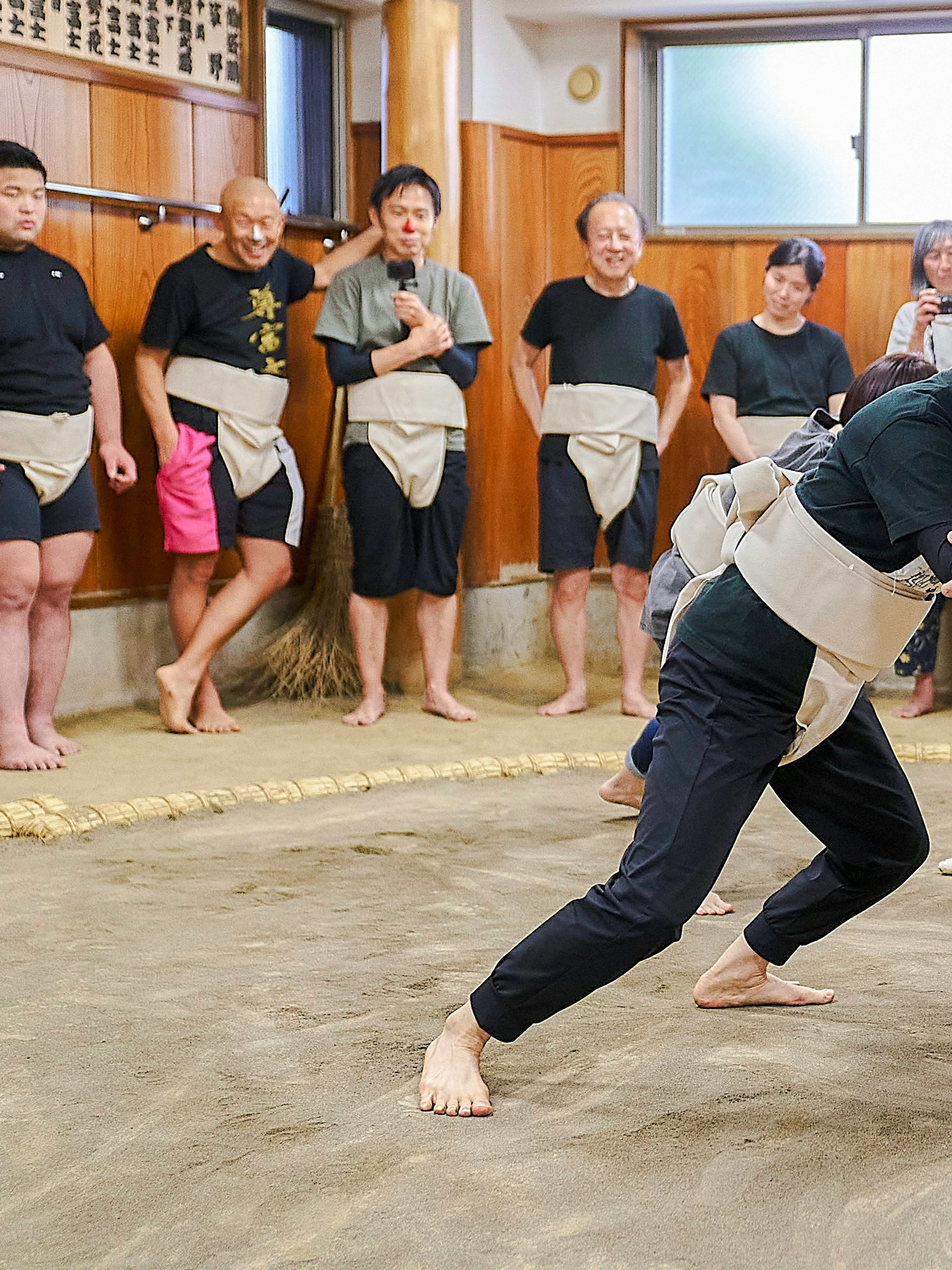
Hands-on training, ring participation and retired wrestlers

You'd rather try sumo than simply watch it

¥12,000
👉 One-line cheat sheet:
🏟️ Tournament in town? → Book it.
🥋 Want the realest sumo experience? → Morning Practice.
🎭 Want sumo explained without the homework? → Classic Show.
🍱 Want your sumo served with dinner? → Dinner Show.

Plan your experience

🕐 When it runs & the best time

Tokyo hosts three of the year's six Grand Sumo Tournaments: January, May and September, 15 days each, all at Ryōgoku Kokugikan. Demand climbs through each tournament: the closing days (13–15), when titles are decided, sell first. Book the moment your dates confirm.

📍 Where & getting there

Ryōgoku Kokugikan, 1-3-28 Yokoami, Sumida-ku. Take the train to Ryōgoku Station: the stadium is 230 m away, a 3-minute walk. By car it's ~16 km from central Tokyo via Route 4, but the train is the move on tournament days.

🎫 What's included

Every guided ticket: official tournament entry, a reserved seat (A, B, C or S class per your option), the pre-event English lecture, the sumo booklet and the official banzuke-hyō ranking sheet. A and S seats add the Kokugikan yakitori skewer, a drink and a cheering towel.

🍱 Food & drink

The yakitori set comes with A/S seats; bento boxes, snacks and drinks are sold inside the stadium for everyone. Eating in your seat between bouts is part of the experience.

👘 Wear & bring

No dress code; comfortable clothes are fine. Bring cash or a card for bento and souvenirs, and arrive with time to spare: the ceremonies are the part you don't want to miss from a queue.

👨‍👩‍👧 Who it suits

All ages are welcome and the spectacle lands even with zero sumo knowledge: the lecture and booklet exist precisely for first-timers. Accessible seating exists at the venue; confirm specifics when booking.

➕ What pairs well with a Grand Sumo Tournament day?

The Sumo Museum (inside Ryōgoku Kokugikan)

Small but surprisingly interesting. Arrive an hour early and see historic ceremonial aprons, rankings, and tournament memorabilia before the matches begin.

Tokyo Skytree

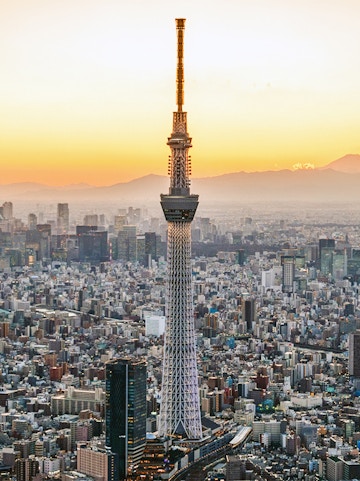
Just one train stop away across the river. Perfect if you're looking for city views, shopping, or dinner after the final bow-twirling ceremony.

Book now

Ryōgoku food crawl

The neighborhood is packed with chanko-nabe restaurants, yakitori spots, and old-school izakayas. Many visitors stay in the area for dinner rather than heading straight back to central Tokyo.

Pick your tour

Tokyo's historic east side (Asakusa & Sumida)

Pair the tournament with Sensō-ji, riverside walks, or a cruise on the Sumida River. It keeps the day rooted in traditional Tokyo rather than crossing the city.

Check available tours

Frequently Asked Questions

Absolutely. Most first-time visitors arrive without understanding the rules. The pre-event lecture, English booklet, and live atmosphere make it surprisingly easy to follow who's winning, what's at stake, and why the crowd reacts.