- Operating hours: City-based tea ceremonies run daily with multiple slots between 10am and 5:30pm. Kimono + matcha sessions typically run between 11am and 4pm.
- Duration: Expect 60 minutes for standard tea ceremonies and 90 minutes for kimono experiences. The Mt. Fuji tour runs for around 10 hours including travel time.
- Best time of day to go: Morning and early afternoon slots feel more relaxed and less rushed. Later slots can feel tighter, especially if you have other plans.
- Best season to visit: Tea ceremonies run year-round. Fuji tours are best on clear days in spring and autumn for better visibility, though weather conditions can vary.
How Headout makes choosing experiences effortless
We curate the best ways to experience
We research and organise all unique experiences - from tickets to tours to special combos - so you get all the choices without the clutter.
We partner with the best
Every supplier is vetted for quality, reliability, and value so you only get top rated experiences. No surprises, no disappointments.
All the best options, in one place
Each experience is thoughtfully organised to give you maximum availability, great value and an easy way to choose.
Book with complete peace of mind
Free cancellations, Flexible payments, and 24/7 support - thoughtfully designed for flexibility, assurance, and total peace of mind.
Slide 1 of 41/4
Slide 1 of 4

Quick overview
- Ways to experience: Choose a 1-hour tea ceremony, 90-min kimono + matcha session, or a 10-hour Mt. Fuji day trip with matcha-making.
- What’s common: All options include hands-on matcha preparation with guidance and tasting of Japanese teas or snacks.
- Inclusions vary: City sessions include wagashi, multiple teas, or kimono rental; Fuji tours add ropeway rides, transport, and sightseeing stops.
- Time commitment: 1–1.5 hours for Tokyo sessions; full-day (10 hours) for Mt. Fuji tour.
- When to book: Sessions run between 10am–5:30pm; popular slots and Fuji tours fill early.
- Best upgrade: Choose kimono + matcha for added cultural immersion; pick Fuji tour for a full-day nature + culture combo.

What to expect from your Tokyo tea ceremony experience

1/3
Tea Ceremony with Seasonal Wagashi
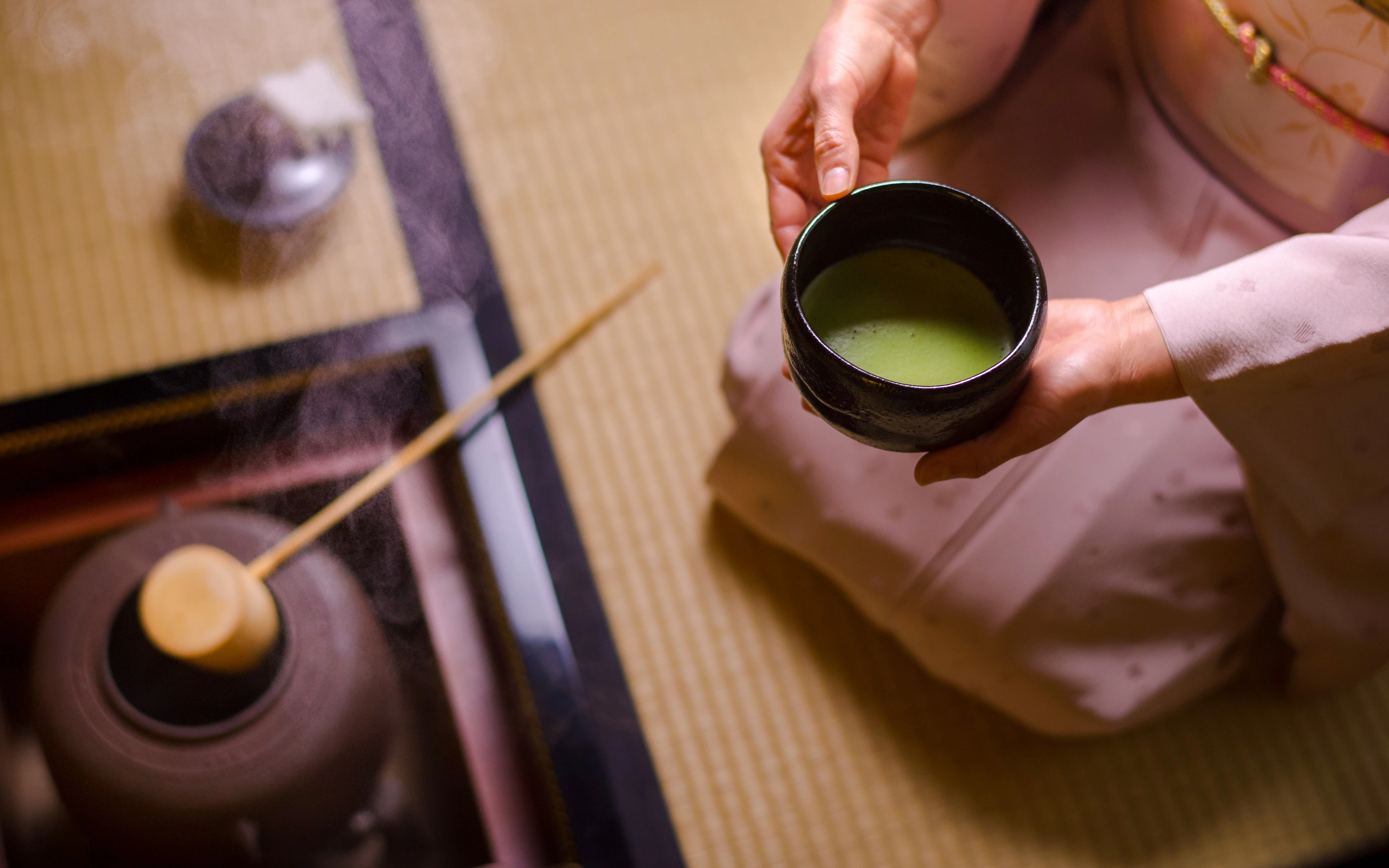
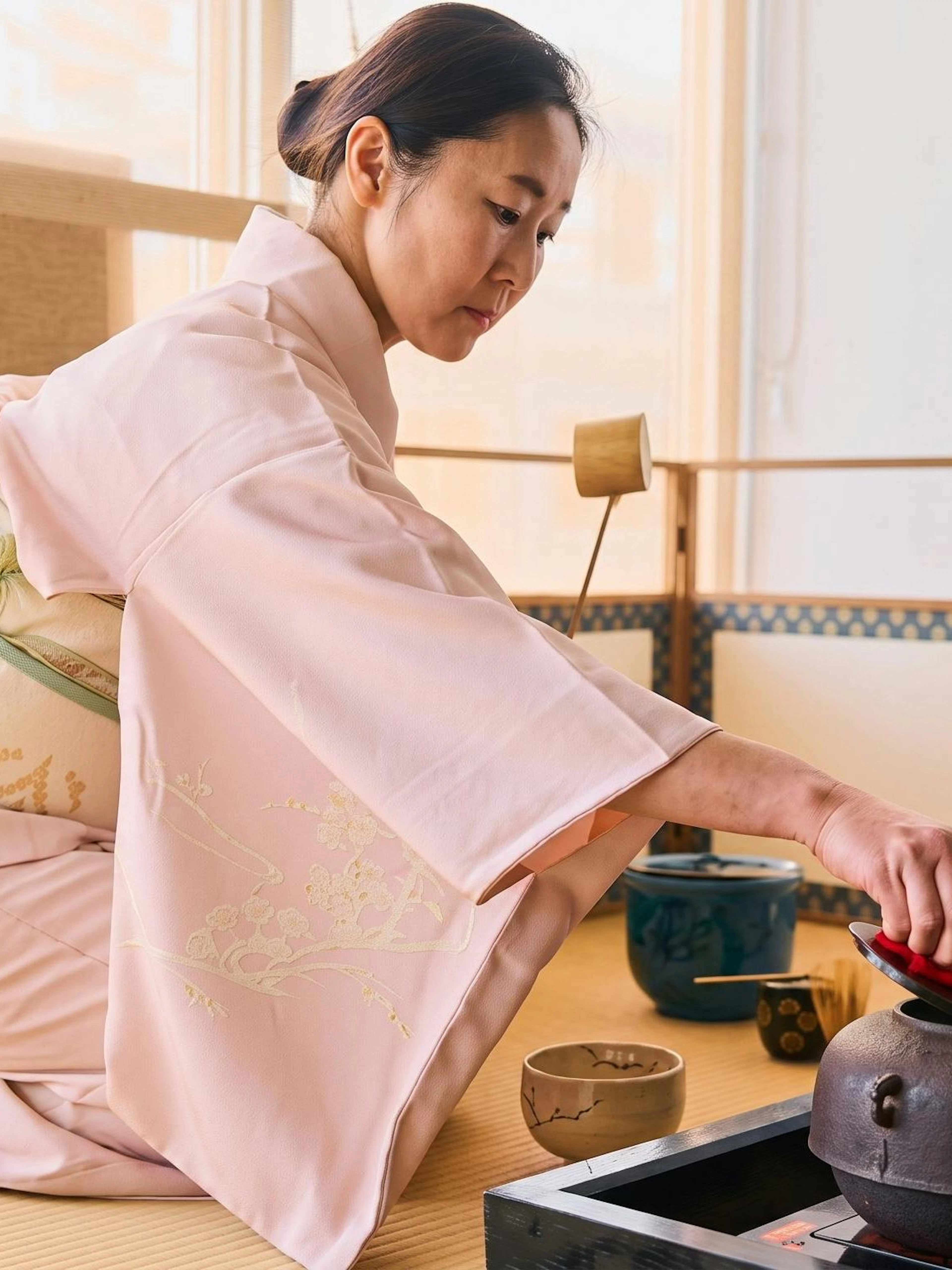
Enter a quiet tea room in central Tokyo and begin with welcome tea and a light cake. A tea master introduces the ceremony, guiding you through tasting Gyokuro sencha paired with seasonal wagashi. You’ll then learn to whisk your own matcha and understand the meaning behind each step. The session ends with Genmaicha, a certificate of completion, and a group photo.
Kimono, Matcha and Tea Ceremony
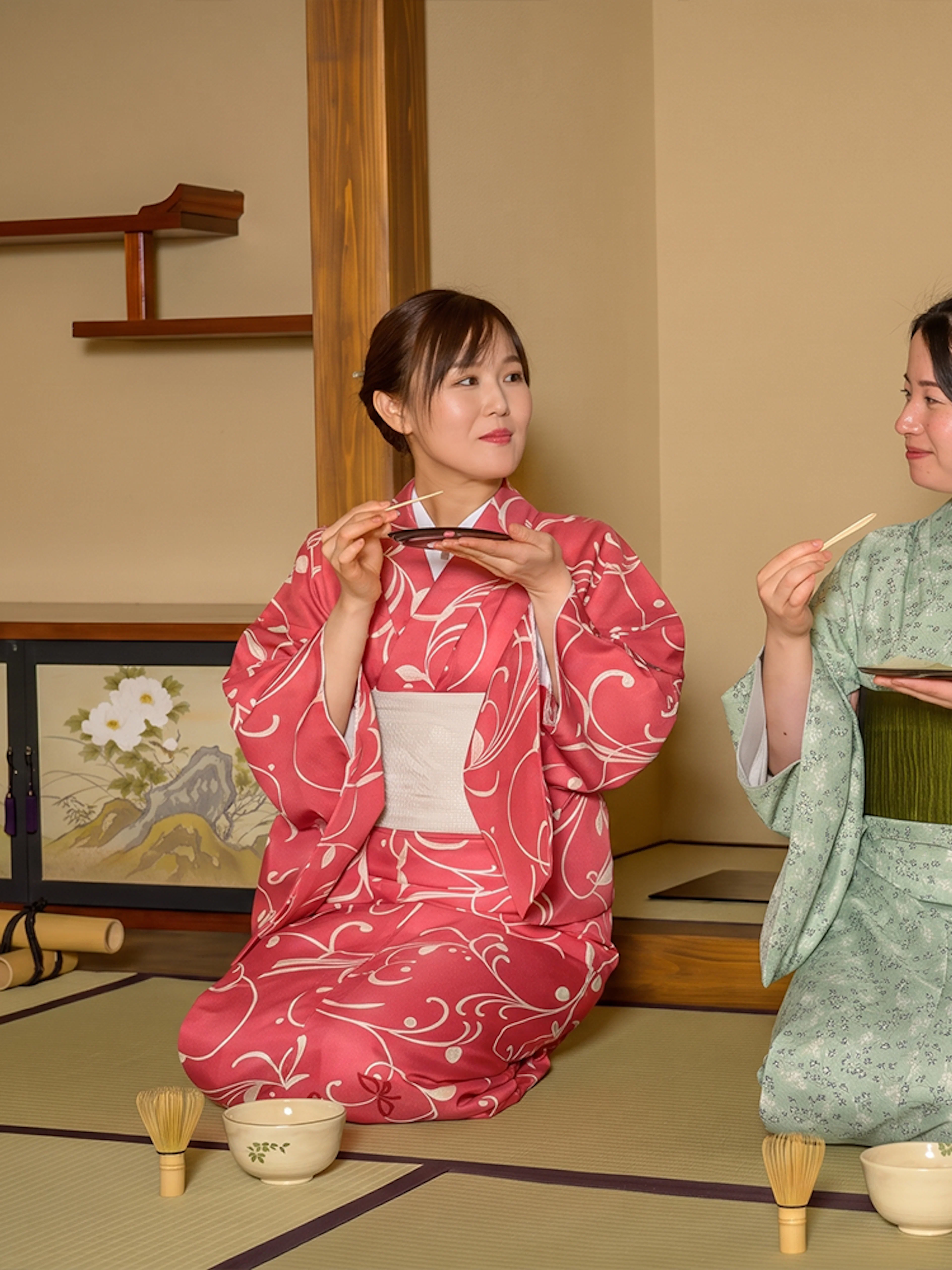
Start by slipping into an easy-to-wear kimono before settling in for a guided tea session. Learn about Teaism, matcha quality, and preparation techniques while tasting first-flush matcha with traditional snacks. You’ll practise whisking matcha yourself using authentic tools, combining cultural learning with a visual, immersive experience.
Mt. Fuji day tour with matcha-making
Travel from Tokyo to the Fuji Kawaguchiko area on a full-day guided tour. Ride the Kachikachi Ropeway to an observation deck with sweeping views, visit Oshino Hakkai village, and stop by a local Lawson store. Along the way, take part in a matcha-making session, learning the basics while enjoying the scenic surroundings.
Things to know before booking your Tokyo tea ceremony
- Book early for best slots: Small-group sessions have limited capacity, especially midday and weekend timings.
- What the basic experience covers: All options include guided matcha-making; additional elements like kimono, multiple teas, or sightseeing depend on your ticket.
- Choose based on time: City sessions take 1–1.5 hours, while the Mt. Fuji experience requires a full day with early departure.
- Interactive format: These are participatory sessions—you’ll actively prepare and drink tea, not just observe.
- Upgrades explained: Kimono adds a cultural and visual layer; Fuji tours add transport, ropeway access, and sightseeing stops.
- Language support: Sessions are designed for international visitors with clear, English-friendly guidance.
Which Tokyo tea ceremony is best for you?
| Ticket type | What’s included | Why choose this | Price from |
|---|---|---|---|
| Tea Ceremony with Seasonal Wagashi | 4 teas, wagashi, matcha-making, certificate, photo | Most complete traditional tea tasting + etiquette in a short session | ¥6,000 |
| Kimono, Matcha & Tea Ceremony | Matcha, snacks, kimono rental, tools | Adds kimono + deeper matcha focus in one experience | ¥9,000 |
| Mt. Fuji Day Tour with Matcha | Transport, ropeway, observation deck, matcha-making | Combines Fuji sightseeing + light matcha experience | ¥10,800 |
Highlights of your Tokyo tea ceremony experience

1/6
A quiet tea room in the middle of Tokyo
Step off busy streets into a calm, minimalist space where tatami floors, soft light, and deliberate movements slow everything down.
The moment matcha comes alive
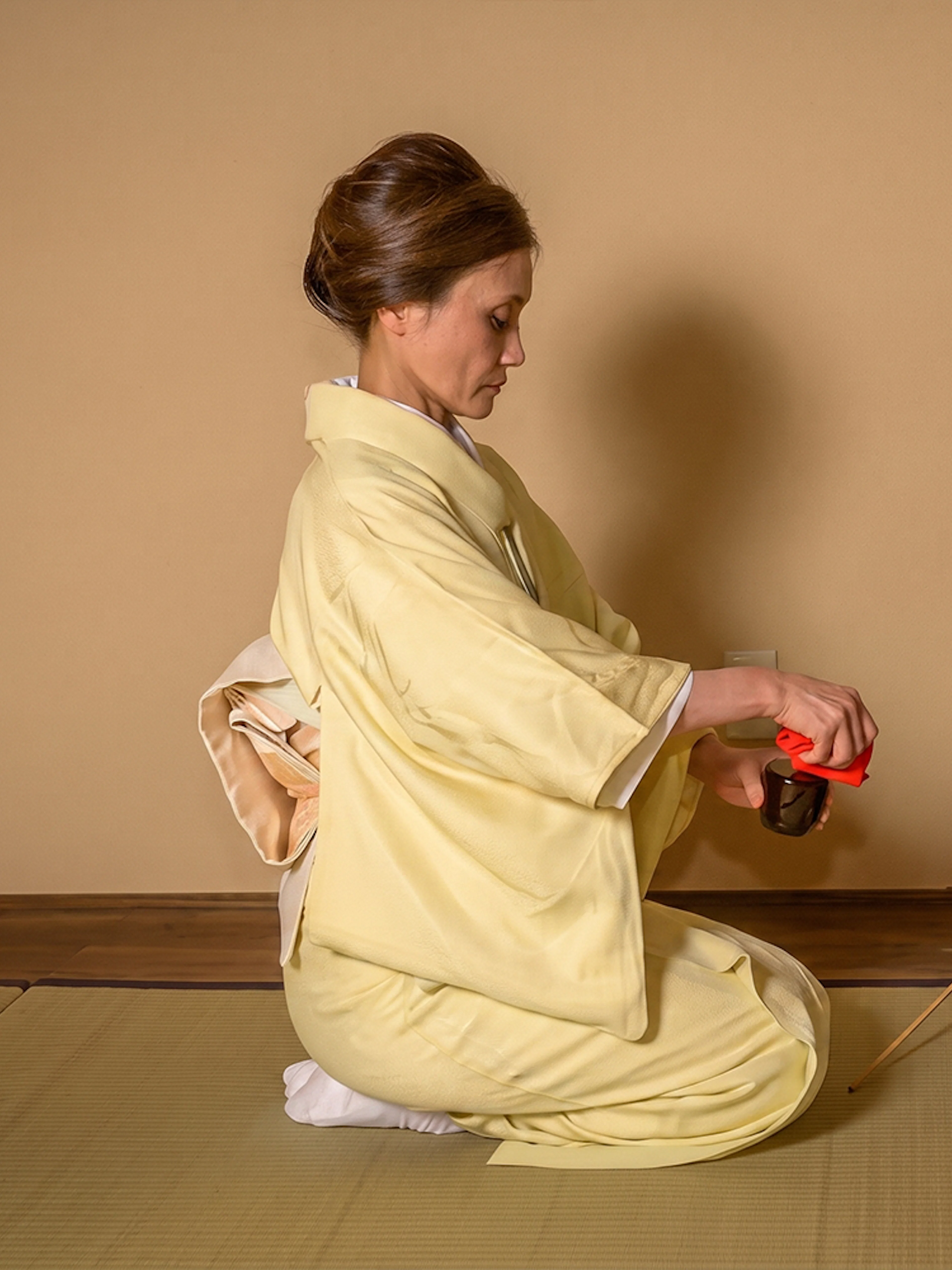
Watch bright green matcha transform as it’s whisked into a smooth foam, then try it yourself—every movement precise, rhythmic, and intentional.
Seasonal wagashi on delicate plates
Small, intricate sweets arrive like edible art, reflecting the season in color and shape, balancing the slight bitterness of tea.
Kimono against a modern backdrop
Slip into a kimono and sit for tea, where traditional textures and patterns contrast quietly with the city just outside.
Mt. Fuji rising beyond the lake
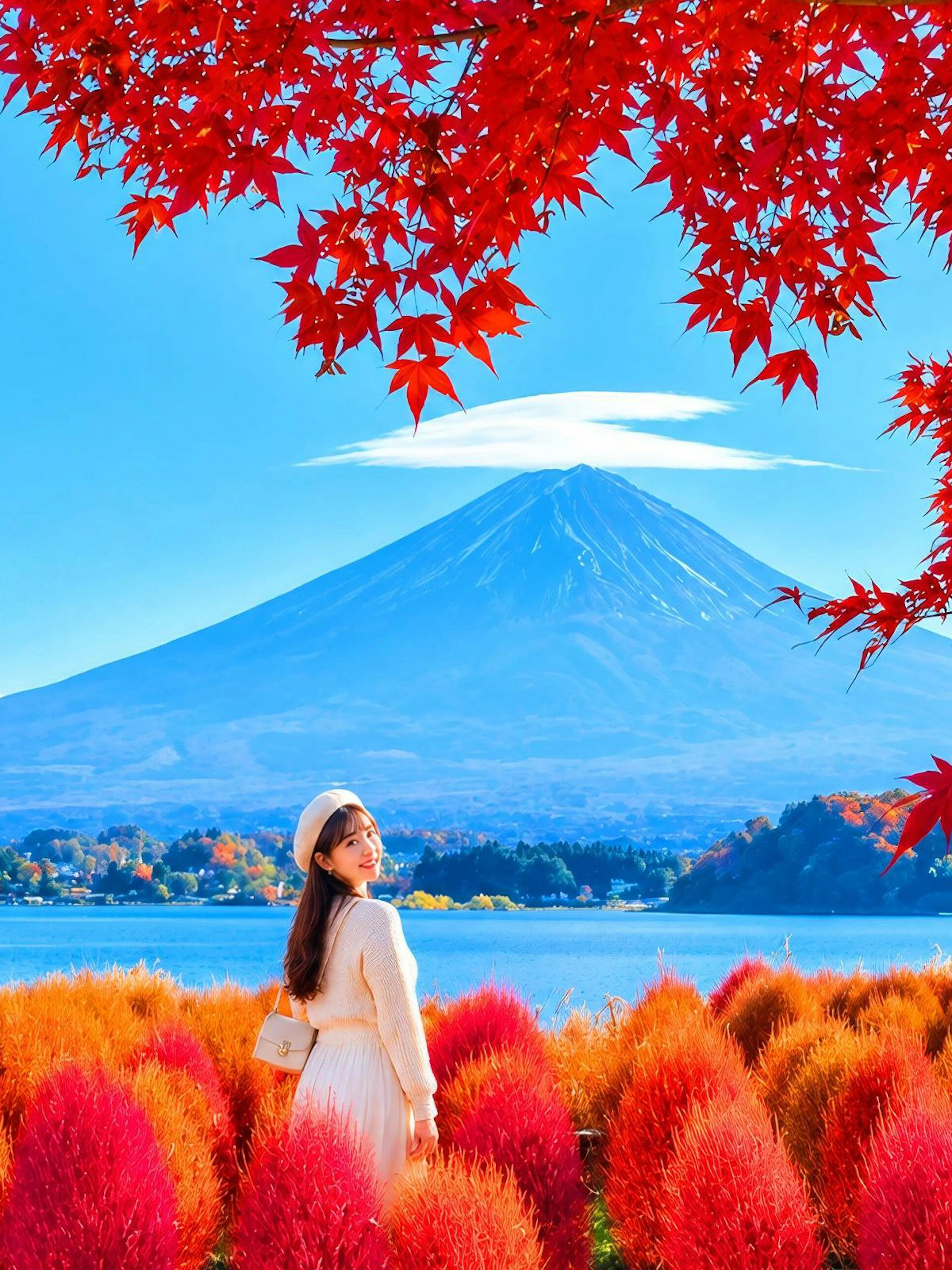
From the ropeway and observation deck, the landscape opens up to wide views of Mount Fuji, framed by Lake Kawaguchi and shifting light.
Still waters of Oshino Hakkai
Clear spring-fed ponds mirror the sky and surrounding village, offering a slower, quieter pause in the middle of a full-day journey.
Plan your Tokyo tea ceremony experience


- City tea ceremonies:
Experiences take place in central Tokyo, often in quiet tea rooms or studios within residential or academic neighborhoods like Bunkyo (near the University of Tokyo). - Mt. Fuji tour pickups:Tokyo Station: ~8:00amShinjuku Station: ~8:30am
- Getting there: Most city venues are easily accessible via Tokyo’s metro and train network. Exact addresses are shared after booking.
- Arrival tip: Arrive 10–15 minutes early to settle in and avoid missing the introduction, which is part of the experience.

- Seating style: Some tea rooms use tatami seating, but many experiences accommodate guests who prefer sitting on chairs—check in advance if needed.
- Physical effort: Minimal for city sessions. The Fuji tour involves long travel hours and light walking at stops like Oshino Hakkai.
- Language: Sessions are conducted in English, with clear explanations designed for beginners.
- Weather dependency: Tea ceremonies run regardless of weather. Fuji tours operate year-round but visibility of Mount Fuji is not guaranteed.
- Group size & format: These are typically small-group, guided sessions, allowing interaction with the tea master and hands-on participation.

- Clothing: Wear comfortable clothing. If you’ve booked a kimono experience, everything is provided and designed to be easy to wear.
- Footwear: You may be asked to remove shoes before entering the tea room, so wear slip-on footwear.
- Carry-ons: Bring minimal belongings. Small bags are easier to manage in compact tea rooms.
- Optional items: A phone or camera for photos (especially for kimono experiences and Fuji views).
Frequently asked questions about Tokyo tea ceremony experiences
Most sessions include guided matcha-making and tea tasting. Some options add seasonal wagashi, multiple tea varieties, or kimono rental depending on the experience.
City sessions focus on tea ceremony and matcha skills (60–90 minutes), while the Mt. Fuji option is a full-day tour with sightseeing plus a shorter matcha-making activity.
Yes. All experiences are hands-on—you’ll learn to whisk matcha and prepare your own bowl under a tea master’s guidance.
No. These sessions are designed for beginners, with step-by-step explanations of etiquette, tools, and techniques.
No. Kimono is only included in the dedicated kimono + matcha experience. Other sessions focus purely on tea and tasting.
Tea ceremonies last about 60 minutes, kimono experiences around 90 minutes, and the Mt. Fuji tour runs approximately 10 hours including travel.
City sessions are held in tea rooms or studios in central Tokyo, often in quieter neighborhoods with easy public transport access.
Many venues can accommodate chair seating if needed. It’s best to check in advance or mention your preference when booking.
No. Visibility depends on weather conditions, though the itinerary still includes ropeway rides, village stops, and the matcha experience.
Matcha is powdered green tea whisked into a frothy drink, while other teas like Gyokuro or Genmaicha are brewed differently and offer contrasting flavors.
Yes. Experiences are designed for international visitors, with clear English explanations and guidance throughout.
Cancellation policies vary by ticket. Some options, like the Mt. Fuji tour, offer free cancellation within a specified window. Check ticket details before booking.