Visiting Tokyo Dome City: Your Complete Guide
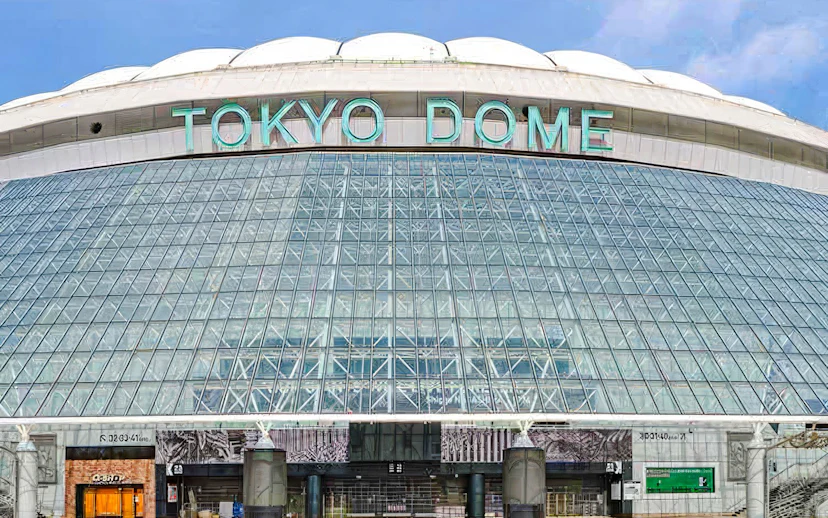
Tokyo Dome City is a free-entry entertainment complex best known for combining major thrill rides, Tokyo Dome events, indoor attractions, shopping, and Spa LaQua in one walkable district. It feels less like a traditional gated park and more like a choose-your-own day out, which is exactly why first visits can be harder to pace than expected. The biggest difference between a rushed visit and a good one is deciding early whether you're here for rides, a Dome event, or a longer multi-stop plan. This guide covers timing, route, tickets, and key stops.
Quick overview: Tokyo Dome City at a glance
Tokyo Dome City works best when you treat it as a choose-your-own day out, not a park where everyone follows the same route.
- When to visit: Weekdays are easiest for a general visit, with most paid venues starting around the late morning and some running into the evening, and late morning on a weekday is noticeably calmer than weekend afternoons and game-day evenings because family visitors, after-school crowds, and Tokyo Dome event traffic overlap later in the day.
- Getting in: The open complex is free to enter, while Tokyo Dome City Space Travelium TeNQ Tickets, on-site ride tickets, and passes are all paid separately, so you can show up casually for the district but timed indoor attractions and major Dome events are worth booking ahead on busy dates.
- How long to allow: 3–5 hours works for most visits, but adding Spa LaQua, Space Travelium TeNQ, or a Tokyo Dome event pushes it much closer to a full day.
- What most people miss: Space Travelium TeNQ in the Yellow Building and the free Water Symphony are easy to skip if you stay only around Thunder Dolphin and Big-O.
- Is a guide worth it? Usually not for the rides and open complex, but it adds real value if your main reason for visiting is the Tokyo Dome side rather than the amusement area.
Jump to what you need
🕒 Where and when to go
🗓️ How much time do you need?
🎟️ Which ticket is right for you?
🗺️ Getting around
🎢 Must-do attractions
♿ Facilities and accessibility
Where and when to go
How do you get to Tokyo Dome City?
Tokyo Dome City sits in Tokyo's Korakuen and Suidobashi area, just north of the city center and surrounded by major rail and subway links.
- JR: Suidobashi Station → 3–5 min walk → Best for the Tokyo Dome side and easy access from Shinjuku or Akihabara.
- Subway: Korakuen Station → 2–5 min walk → Best for LaQua, the rides area, and Spa LaQua.
- Subway: Kasuga Station → 5–7 min walk → Useful if you're arriving on the Toei Oedo or Mita lines.
- Taxi / rideshare: Drop off near Tokyo Dome Hotel or LaQua → quickest for luggage or late-evening arrivals.
Which entrance should you use?
Tokyo Dome City is an open complex with several access points, and the most common mistake is entering from the wrong side for the part of the complex you actually booked.
- LaQua side: Located by Korakuen Station. Best for Thunder Dolphin, Big-O, and Spa LaQua. Expect 5–15 min at ticket machines on busy weekends.
- Tokyo Dome side: Located near Suidobashi Station. Best for stadium events, the Baseball Hall of Fame, and Tokyo Dome Hotel. Expect 10–20 min security or ticket-scan waits before games and concerts.
- Yellow Building side: Located closer to Space Travelium TeNQ. Best for timed-entry indoor experiences. Expect 5–10 min check-in around popular afternoon slots.
When is Tokyo Dome City open?
Because Tokyo Dome City is a multi-venue complex, opening hours vary by facility rather than following one single park schedule.
- Open complex, shops, and dining: Hours vary by venue and day.
- Rides, Space Travelium TeNQ, Spa LaQua, and Tokyo Dome events: Each operates on its own schedule.
- Last entry: Depends on the attraction, event, or facility you're using.
When is it busiest? Weekend afternoons, school-holiday dates, and game-day evenings are the heaviest, because ride queues, restaurants, and station exits all get busier at once.
When should you actually go? A weekday visit starting in the late morning gives you the easiest first ride windows and lets you finish with lights or dinner before the after-work and event crowd arrives.
How much time do you need?
| Visit type | Route | Duration | Walking distance | What you get |
|---|---|---|---|---|
Highlights only | LaQua entrance → Thunder Dolphin → Big-O → quick walk through the main attractions area → exit | 3–4 hours | ~1.5 km | You cover the skyline-defining rides and the core atmosphere, but you'll skip the indoor museum side, the spa, and most slower attractions. |
Balanced visit | LaQua entrance → 2–4 major rides → Space Travelium TeNQ → dinner or Water Symphony → exit | 4–6 hours | ~2.5 km | This adds an indoor attraction and a better sense of the complex beyond the coaster zone, which is worth it if you want more than a quick ride stop. |
Full exploration | Attractions area → Space Travelium TeNQ → Tokyo Dome side / Baseball Hall of Fame or stadium-focused stop → Spa LaQua or nighttime Ferris wheel → exit | 7+ hours | ~4 km | You experience Tokyo Dome City as a full entertainment district, but it's a long day with several separate ticketed experiences and more route planning than most visitors expect. |
How do you get around Tokyo Dome City?
Tokyo Dome City works like an entertainment district with 4 practical zones, and you'll need 3–4 hours for the main highlights or a full day if you add TeNQ, a game, or Spa LaQua. The biggest crowd-flow mistake is staying too long around LaQua in the middle of the day, then trying to cross to the Tokyo Dome side once event traffic builds.
Zones and suggested route
- LaQua rides zone: Thunder Dolphin, Big-O, and the main headline rides → budget 1.5–2.5 hours if you're prioritizing rides.
- Yellow Building zone: Space Travelium TeNQ and indoor attractions → budget 1–1.5 hours for a timed museum stop.
- Tokyo Dome side: Stadium, event access, and baseball-focused stops → budget 1–3 hours depending on whether you're touring or attending an event.
- Spa and dining zone: Spa LaQua, restaurants, and shopping → budget 2–4 hours if you're treating it as a slower evening stop.
Suggested route: Start with Thunder Dolphin and Big-O before lunch, cross to TeNQ in the afternoon, then decide whether your evening is better spent at Spa LaQua, a Dome event, or simply staying for the lights — most people backtrack because they leave the indoor and stadium side too late.
Maps and navigation tools
- Map: Download map + official site map → covers rides, buildings, and venue locations → get it before arrival because the complex spreads wider than it looks from the station.
- Signage: Bilingual wayfinding is generally good for main zones, but you'll still move faster with a downloaded map if you're switching between rides, TeNQ, and Tokyo Dome.
- Audio guide / app: There's no venue-wide audio guide, so practical navigation matters more than narration here.
- Large outdoor POIs only: You won't need trail tools, but a guided option helps on event-focused visits because stadium access points and timing windows are less intuitive than the rides area.
💡 Pro tip: Don't judge walking time by what you see from the Ferris wheel side — moving between LaQua, the Yellow Building, and Tokyo Dome takes longer once crowds build around station exits.
What are the must-ride attractions at Tokyo Dome City?

Thunder Dolphin
Ride type: High-speed urban roller coaster
This is the ride most visitors come for, and it earns that status — the track cuts through the skyline and through a building opening in a way that feels unmistakably Tokyo. What many people underestimate is how exposed it feels: great city views, then an intense drop and fast transitions. Most visitors focus only on the speed, but the elevated city panorama before the plunge is worth paying attention to.
Where to find it: In the LaQua attractions area, wrapped around the shopping and ride complex.
Big-O
Ride type: Centerless Ferris wheel
Big-O is the calmer counterpoint to Thunder Dolphin, with broad views over central Tokyo and a more memorable evening atmosphere than most people expect. The ride itself is not rushed, which makes it useful as a pacing reset midway through the day. What many visitors miss is that some cabins include karaoke, which turns a simple observation ride into one of the complex's most distinct experiences.
Where to find it: Beside the LaQua attractions area, visually linked with the Thunder Dolphin track.
Space Travelium TeNQ
Creator / type: Interactive space museum with VR
If you want one paid indoor stop beyond the rides, this is the smartest choice. Tokyo Dome City Space Travelium TeNQ Tickets include access to the exhibits, interactive zones, and 1 VR experience, so it works especially well when you need a break from weather or queues. Most visitors who stick to the coaster zone never make it here, even though it adds variety and a more thoughtful pace to the day.
Where to find it: In the Yellow Building section of Tokyo Dome City.
Spa LaQua
Type: Urban onsen-style spa
Spa LaQua is what makes Tokyo Dome City feel like more than a ride stop. It's the easiest way to turn a busy attractions visit into a full-day plan, especially if you've already spent hours on trains or walking elsewhere in Tokyo. Many visitors leave before evening and miss how useful the spa is as a reset between the daytime crowds and the nighttime lights.
Where to find it: In the LaQua complex, connected to the shopping and dining side.
Wonder Drop
Ride type: Log flume
Wonder Drop is shorter and less intense than the headliners, but it's a smart pick when you want one family-friendly ride that still feels like a real attraction. The landscaped section makes it more scenic than people assume from the outside. Most visitors treat it as filler, but on a warm day it's one of the best-balanced rides in the complex.
Where to find it: In the attractions area near the main family and mid-intensity rides.
Tokyo Dome side
Type: Stadium and event area
Even if you're not attending a game, the Tokyo Dome side is worth a deliberate walk because it changes the feel of the complex from amusement park to full entertainment district. On game days, the crowd energy here is part of the experience. Many visitors never cross over from LaQua, which means they miss the sports atmosphere that gives the whole area its identity.
Where to find it: Across from the rides zone, near Suidobashi Station and Tokyo Dome Hotel.
Facilities and accessibility
- 🎒 Lockers: Thunder Dolphin provides lockers for loose items before boarding, and Spa LaQua admission includes a locker for your visit.
- 🚻 Restrooms: Restrooms are spread across the mall and venue buildings, so you won't need to leave the complex to find them.
- 🍽️ Restaurants and food stalls: There are 70+ shops and restaurants across the complex, which makes it easy to eat on-site instead of leaving between activities.
- 🛍️ Gift shop / merchandise: Tokyo Dome event merchandise and baseball-related shopping are easiest to find on the stadium side, while LaQua covers general shopping.
- 🪑 Seating / rest areas: The mall, dining zones, and spa side give you more places to sit than the outdoor rides area.
- 🅿️ Parking: Parking is available around the complex, but public transit is the easier choice because the area is built around major stations and gets congested on event days.
- ♿ Mobility: Most public areas are barrier-free, with ramps and elevators linking the major buildings, but some stadium-tour routes and certain rides are not fully accessible.
- 🧠 Cognitive and sensory needs: Thunder Dolphin, event-day stadium crowds, and TeNQ's VR content can be intense if you're sensitive to speed, lights, motion, or enclosed spaces.
- 👨👩👧 Families and strollers: The main public circulation areas are stroller-friendly, and the complex is easier with a stroller than many older Tokyo districts because the big venues are built for high footfall.
Tokyo Dome City works well for children because you can mix gentle rides, indoor play, and snack breaks without committing to one all-day theme-park schedule.
- 🕐 Time: 3–4 hours is realistic with younger children, and it's smarter to prioritize family rides plus one indoor stop rather than trying to cover every corner.
- 🏠 Facilities: Family visits are easier here because dining, restrooms, shopping, and indoor spaces are all built into the same complex.
- 💡 Engagement: Use the headline rides as visual anchors — kids stay more engaged when you alternate a big landmark like Big-O with a smaller ride or indoor play stop.
- 🎒 Logistics: Bring one small bag rather than several, and remember that children under 10 need a guardian for TeNQ and children under 7 cannot use the VR experience.
- 📍 After your visit: Koishikawa Korakuen Garden is the easiest nearby reset if your group needs quiet after the rides.
Rules and restrictions
What you need to know before you go
- Entry requirement: General entry to Tokyo Dome City is free, but paid attractions, timed experiences, and Tokyo Dome events each need their own ticket or booking.
- Bag policy: Loose items must be stored before major rides like Thunder Dolphin, so carrying one compact bag is easier than juggling shopping and larger day packs.
- Re-entry policy: The open complex is easy to move in and out of, but Spa LaQua does not allow re-entry, so don't leave for a meal expecting to come back on the same admission.
Not allowed
- 🚫 VR restrictions: Children under 7 years cannot join TeNQ's VR experience.
- 🚫 Footwear rules: Open-toe shoes, slippers, and high heels are not allowed for TeNQ's VR content.
- 🖐️ Ride and VR safety restrictions: Height, age, health, and supervision rules are enforced at paid attractions, so staff can refuse access even if you already hold a ticket.
Photography
Photography is generally easiest in the open public areas, where the skyline views, rides, and seasonal lights are part of the appeal. Rules can be stricter inside paid venues, special exhibits, and Tokyo Dome events, so don't assume one policy covers the whole complex. Flash, tripods, and selfie sticks may be restricted in indoor attractions or crowded event spaces, and posted venue signage should be treated as the final rule.
Good to know
- Pass coverage: Ride passes do not automatically cover every separate experience in the complex, so check inclusions before assuming one purchase handles the full day.
- Game-day timing: Tokyo Dome events can change crowd levels across restaurants, station exits, and walkways even if you're not attending the event itself.
Practical tips
- Booking and arrival: You can treat the open complex spontaneously, but timed indoor slots like TeNQ work better when you book or choose your slot before you start riding, especially on weekends and school-holiday dates.
- Pacing: Ride Thunder Dolphin early or save it for the last 90 minutes of the evening; the worst strategy is drifting toward it at peak mid-afternoon when everyone else has the same idea.
- Crowd management: Weekday late morning is the sweet spot here because you're ahead of family lunch traffic, after-school visitors, and the stadium crowd that builds on game days.
- What to bring or leave behind: Keep footwear practical and your bag small — TeNQ's VR has footwear rules, and big bags slow you down once you start alternating between rides, food, and indoor stops.
- Food and drink: Eat before the dinner rush if Tokyo Dome has an evening event, because the complex's biggest pain point isn't usually ride access — it's suddenly competing with stadium crowds for tables.
- Route planning: If you want TeNQ, cross to the Yellow Building before you settle into a rides-only rhythm, because most visitors who postpone it never actually make the detour.
- Evening strategy: Big-O and the illuminated grounds are better after dark, so don't spend your entire visit front-loading only rides if part of the reason you came is the nighttime atmosphere.
What else is worth visiting nearby?
Commonly paired: Koishikawa Korakuen Garden
Distance: ~400m — 5 min walk
Why people combine them: It gives you the cleanest same-day contrast in the area — quiet Edo-period garden scenery right next to the noise and lights of Tokyo Dome City.
Commonly paired: Bunkyo Civic Center Observatory
Distance: ~800m — 10 min walk
Why people combine them: It's free, quick, and gives you a great overhead view of the Tokyo Dome area, so it fits naturally before a ride-heavy afternoon or after an early dinner.
Also nearby
Akihabara
Distance: ~2.5km — 5 min by train
Worth knowing: If your group likes arcades, anime shopping, or electronics, it's the easiest high-energy add-on after Tokyo Dome City.
Kagurazaka
Distance: ~2km — 10 min by taxi or 2 subway stops
Worth knowing: This is the better follow-up if you want to trade the amusement-park pace for a slower dinner and atmospheric streets in the evening.
Eat, shop and stay near Tokyo Dome City
- On-site: LaQua and the wider complex have plenty of built-in dining, from quick snacks to sit-down restaurants, and on-site eating makes the most sense if you're balancing rides, TeNQ, and the stadium side in one visit.
- Shake Shack (on-site, LaQua area): Burgers, fries, and shakes in a familiar format that works well as a quick pre-ride meal.
- Food court ramen options (on-site, LaQua area): Fast, easy, and practical if you want a shorter lunch break without losing momentum.
- Bubba Gump Shrimp (on-site / near the main complex): Better suited to a slower sit-down break than a quick snack stop, especially if you're staying into the evening.
- 💡 Pro tip: Eat before about 6pm on Tokyo Dome game nights, because restaurant demand rises fast once stadium visitors arrive.
- LaQua: General shopping, lifestyle stores, and the easiest all-in-one retail stop if not everyone in your group wants souvenirs.
- Tokyo Dome / baseball merchandise shops: Team goods and stadium souvenirs are the most memorable buy if you want something specific to the site rather than generic Tokyo shopping.
This is a convenient area to stay if Tokyo Dome City is a real priority or you want easy subway access without the intensity of Tokyo's biggest nightlife districts. It's practical, well-connected, and especially useful for families or anyone attending a late event at Tokyo Dome. It's less compelling if you want the most atmospheric neighborhood for a longer Tokyo stay.
- Price point: Mid-range to upper-mid-range, with the strongest value coming from convenience rather than neighborhood charm.
- Best for: Short stays, stadium-event nights, and families who want simple logistics and plenty of food nearby.
- Consider instead: Shinjuku if you want more nightlife and transport reach, or Tokyo Station / Ueno if you want a more efficient base for broader city sightseeing.
Frequently asked questions about visiting Tokyo Dome City
Most visitors spend 3–5 hours at Tokyo Dome City. That's enough for the headline rides, a meal, and some time to walk the complex. If you add Space Travelium TeNQ, Spa LaQua, or a Tokyo Dome game or concert, it can easily turn into a full-day plan.
No, you don't need to pre-book just to enter Tokyo Dome City because the complex itself is free to access. It's still smart to plan ahead for timed indoor attractions, Tokyo Dome events, and busy weekend dates, especially if you want a specific TeNQ slot or a smoother evening plan.
Usually not, because Tokyo Dome City doesn't run one universal skip-the-line system across the whole complex. The better time-saver is arriving on a weekday late morning and buying or choosing timed experiences before the crowds build, rather than expecting a paid fast-track solution to fix everything.
Arrive about 15–20 minutes early for timed attractions or Tokyo Dome event entry. That gives you enough time to find the right building, handle ticket exchange if needed, and avoid losing time to the station-side crowd flow that builds on weekends and event days.
Yes, but a small bag is much easier than a large backpack. You'll move faster between the rides, indoor attractions, and restaurants, and loose items must be stored before major rides like Thunder Dolphin. If you're planning TeNQ's VR, traveling light also makes the safety check simpler.
Yes, photos are generally easy to take in the open public areas. The main exceptions are paid venues, special exhibits, and Tokyo Dome events, where rules can vary by entrance or room. Check posted signs before using flash, tripods, or selfie sticks, especially indoors.
Yes, Tokyo Dome City works well for groups because you don't all need to do the same thing at the same time. The easiest group strategy is to agree on 1–2 anchor experiences — like Thunder Dolphin or dinner — then split up around the rest of the complex and meet back afterward.
Yes, it's one of the easier Tokyo entertainment areas for families because you can mix rides, food, and indoor breaks without long transfers. It works best if you build a shorter 3–4 hour plan around a few family rides and one indoor stop instead of trying to cover every attraction.
Yes, most of the public complex is accessible, with ramps and elevators connecting the major buildings. The main limitation is that ride access and some stadium-tour routes are more restrictive, so the open plazas, shops, and dining areas are easier to navigate than every ticketed experience.
Yes, there's plenty of food on-site, so you don't need to leave the complex to eat. That's one of the biggest practical advantages of visiting here. If Tokyo Dome has a game or concert, try to eat earlier than the event crowd to avoid long waits at the most convenient restaurants.
No, ride access, Spa LaQua, and Space Travelium TeNQ are separate experiences. That catches people out on first visits because the whole place feels connected, but the ticketing is split by venue. Check inclusions carefully before buying a pass so you don't assume one purchase covers the full day.
TeNQ is best booked if you want a fixed indoor stop rather than deciding on the day. Your ticket covers entry to the museum, access to the interactive zones, and 1 VR experience. Children under 7 cannot use the VR, and footwear rules apply for that part of the visit.