Tickets Tokyo


Neighborhood at a glance

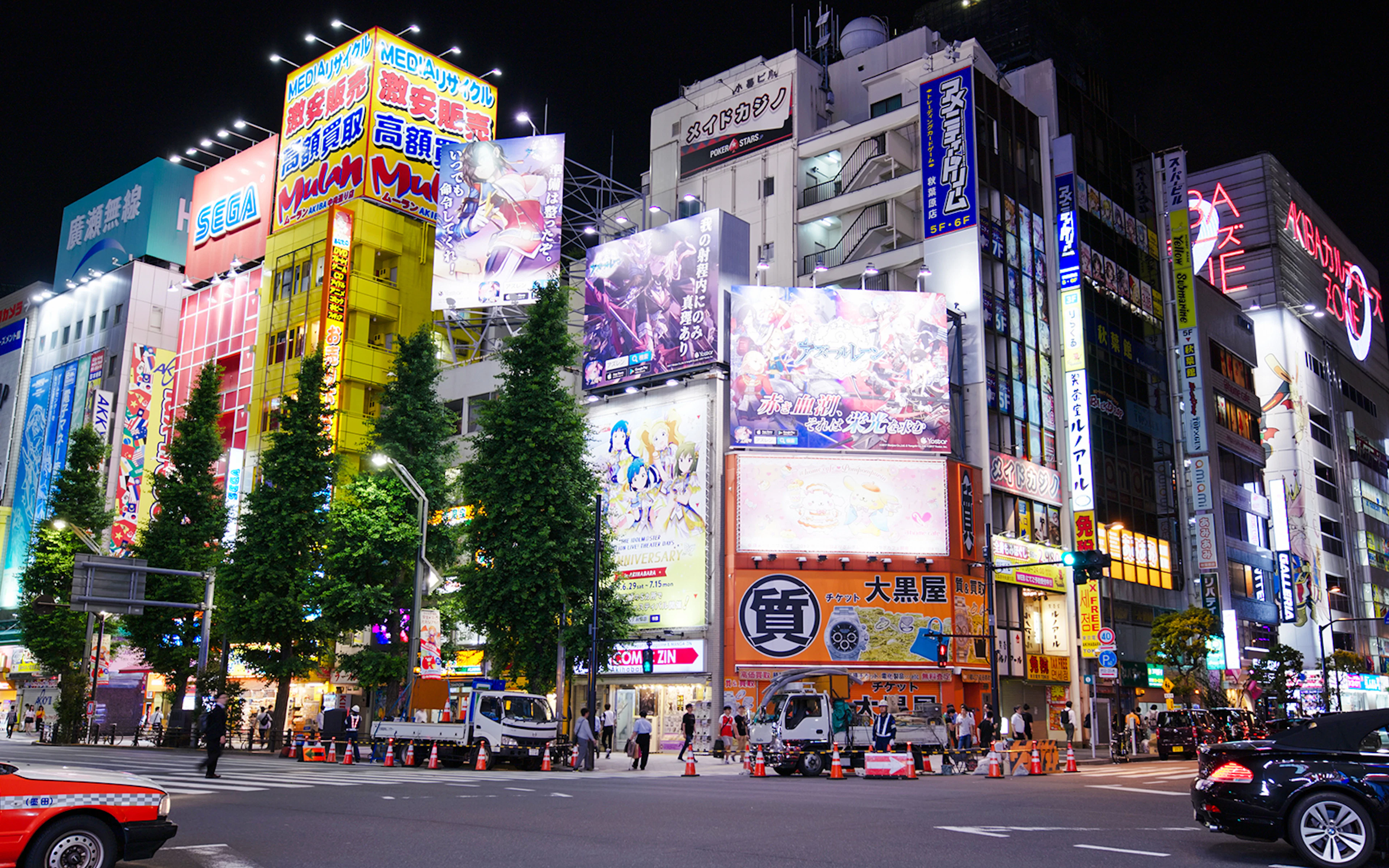
  • Why visit: Akihabara packs anime shops, retro-game shelves, multi-floor arcades, and electronics counters into a walkable strip centered on Chuo-dori and the streets around JR Akihabara Station.
  • Atmosphere: Bright, noisy, retail-heavy, indoor.
  • Top things to do: Browse Akihabara Radio Kaikan, play crane games and rhythm games on Chuo-dori, visit Kanda Myojin, shop the hobby and gadget floors at Yodobashi Akiba.
  • Best for: Anime and manga fans, gamers, electronics shoppers, first-time Tokyo visitors.
  • Time needed: 3–4 hours.
  • Best time to visit: Weekdays from 11am to 6pm for open shops without the heaviest weekend crowd; return after dark for the lit-up facades and busy arcades.
  • Nearby: Kanda Myojin, 2k540 AKI-OKA ARTISAN, mAAch ecute Kanda Manseibashi, Akihabara UDX, Yushima Seido.

Top things to do in Akihabara

Pro tip

Use JR Akihabara Station’s Electric Town Exit if you’re heading to Chuo-dori, Radio Kaikan, or the main arcade strip; the Showa-dori side adds an unnecessary crossing and puts you on the office-facing side first.

Quick navigation

🏛️ Why visit | 🎟️ Best ways to explore |🧭 Plan your visit | 🌟 Free things to do | 📋 Itinerary | 💡 Tips |🍴 Dining

Why visit Akihabara

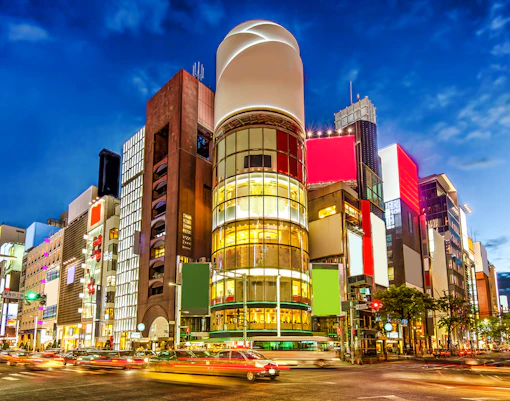
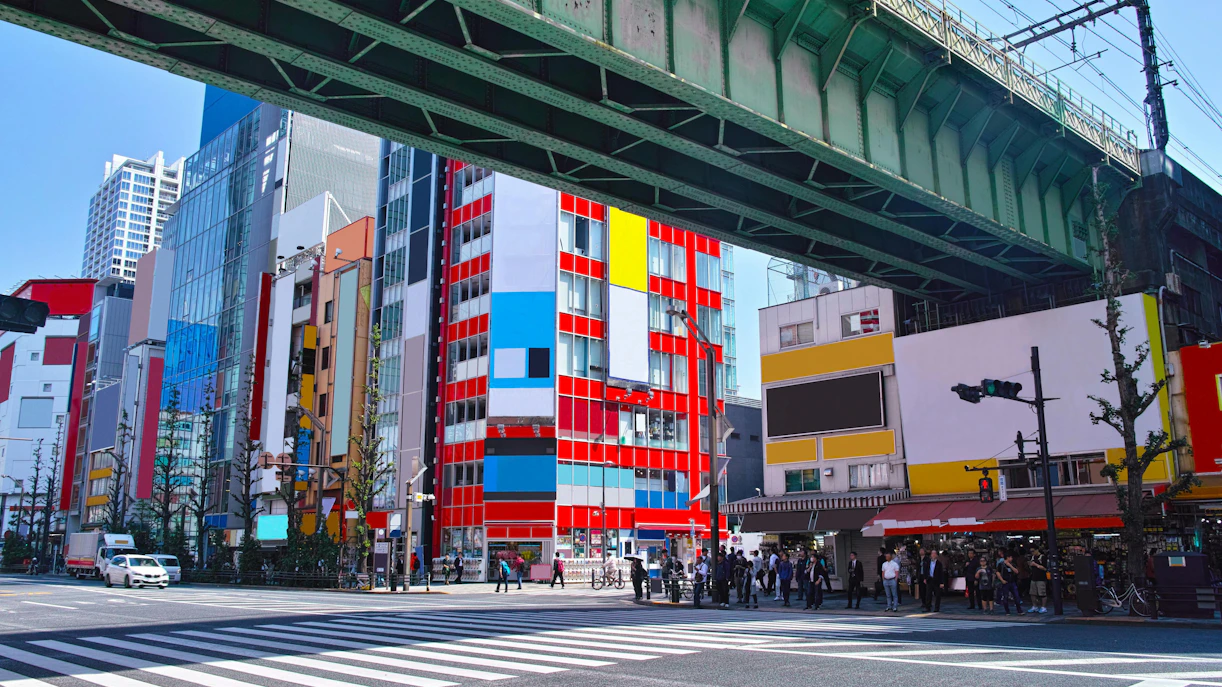
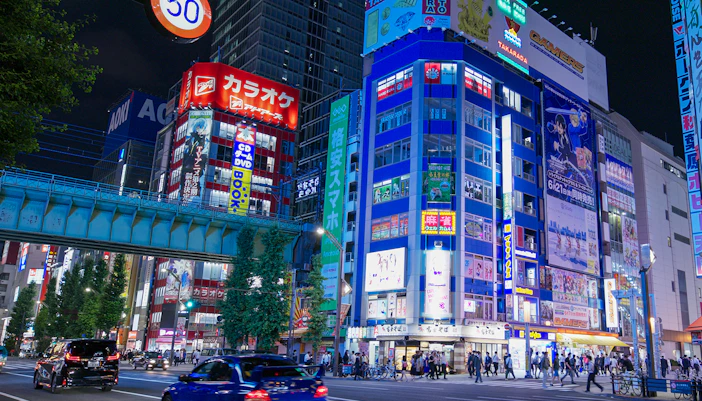
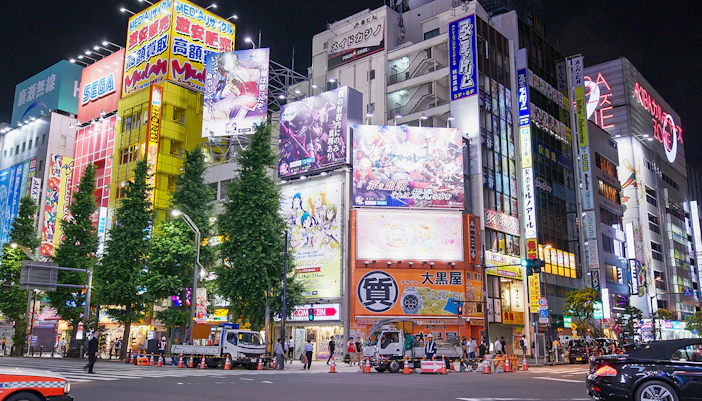
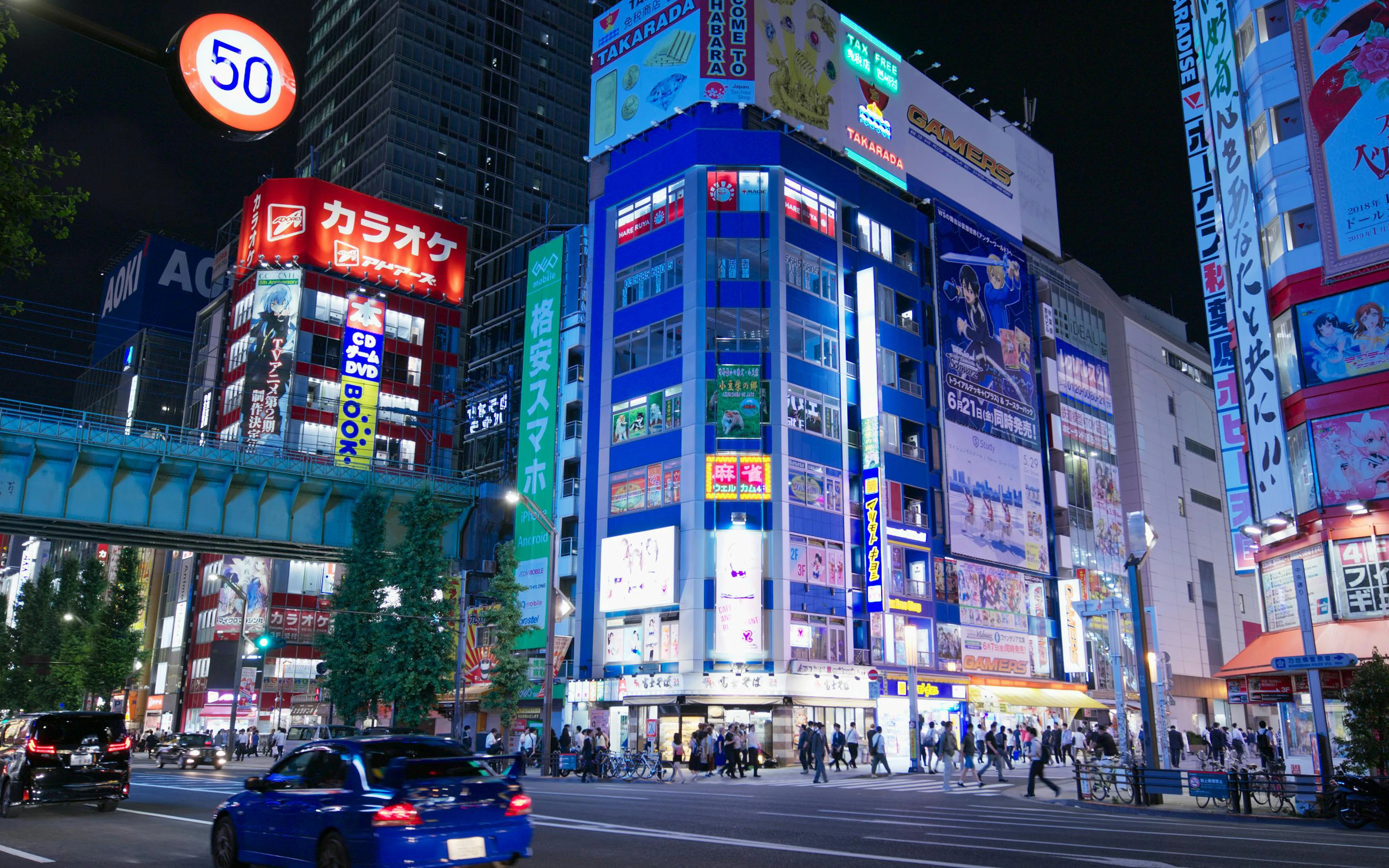
Chuo-dori shopping stretch in Akihabara
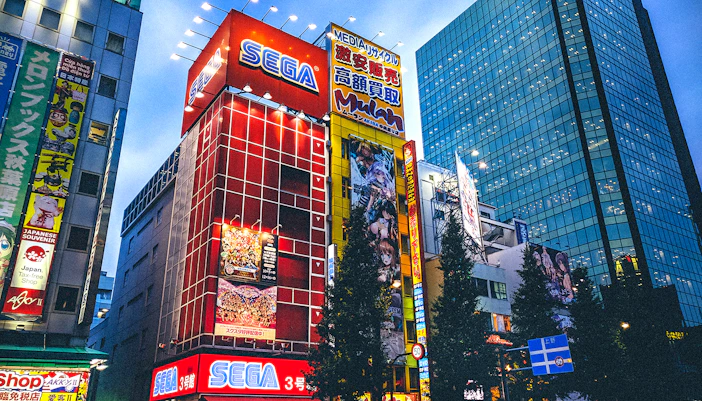
Historic retail buildings in Akihabara
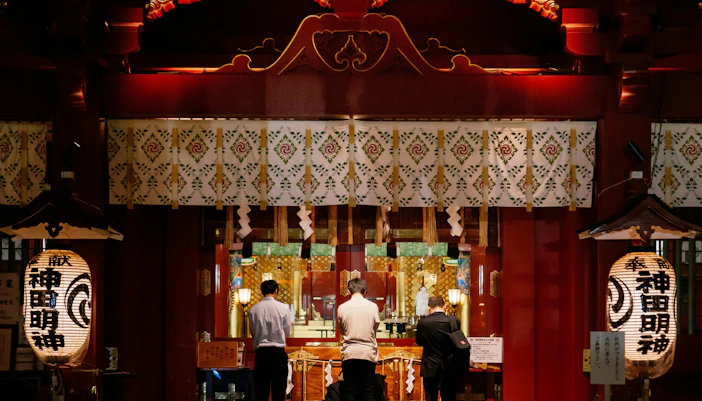
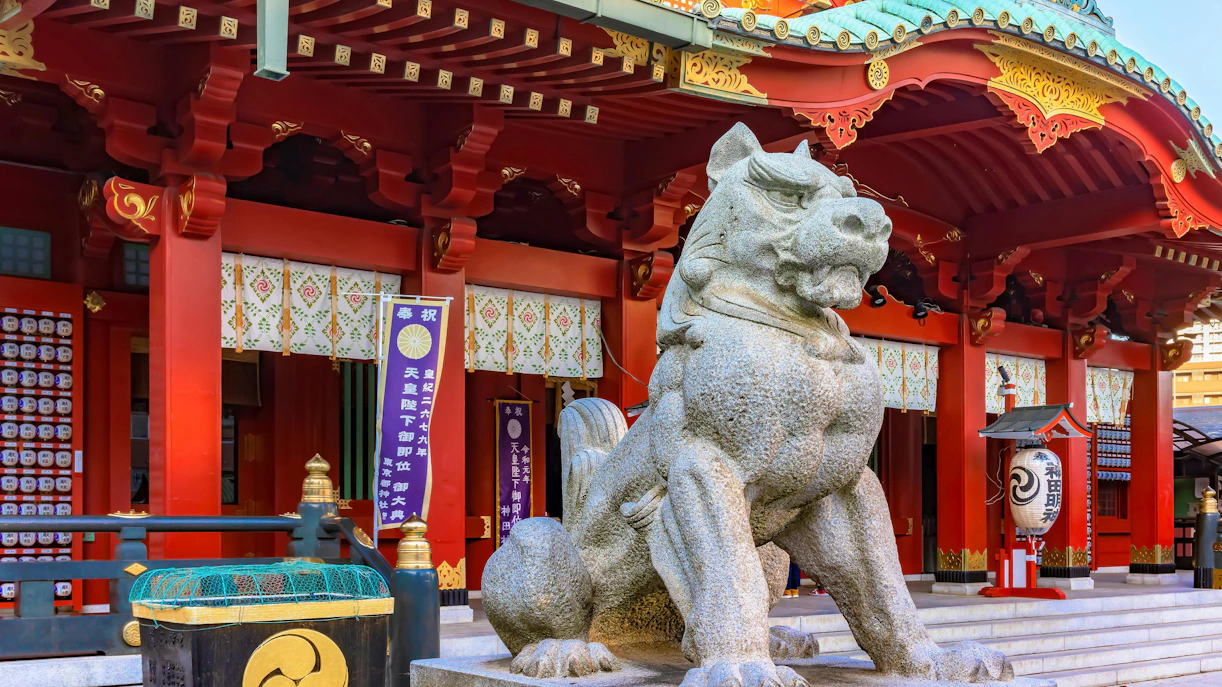
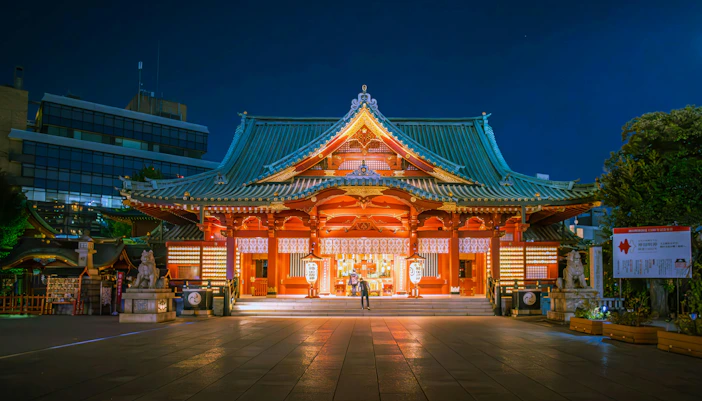
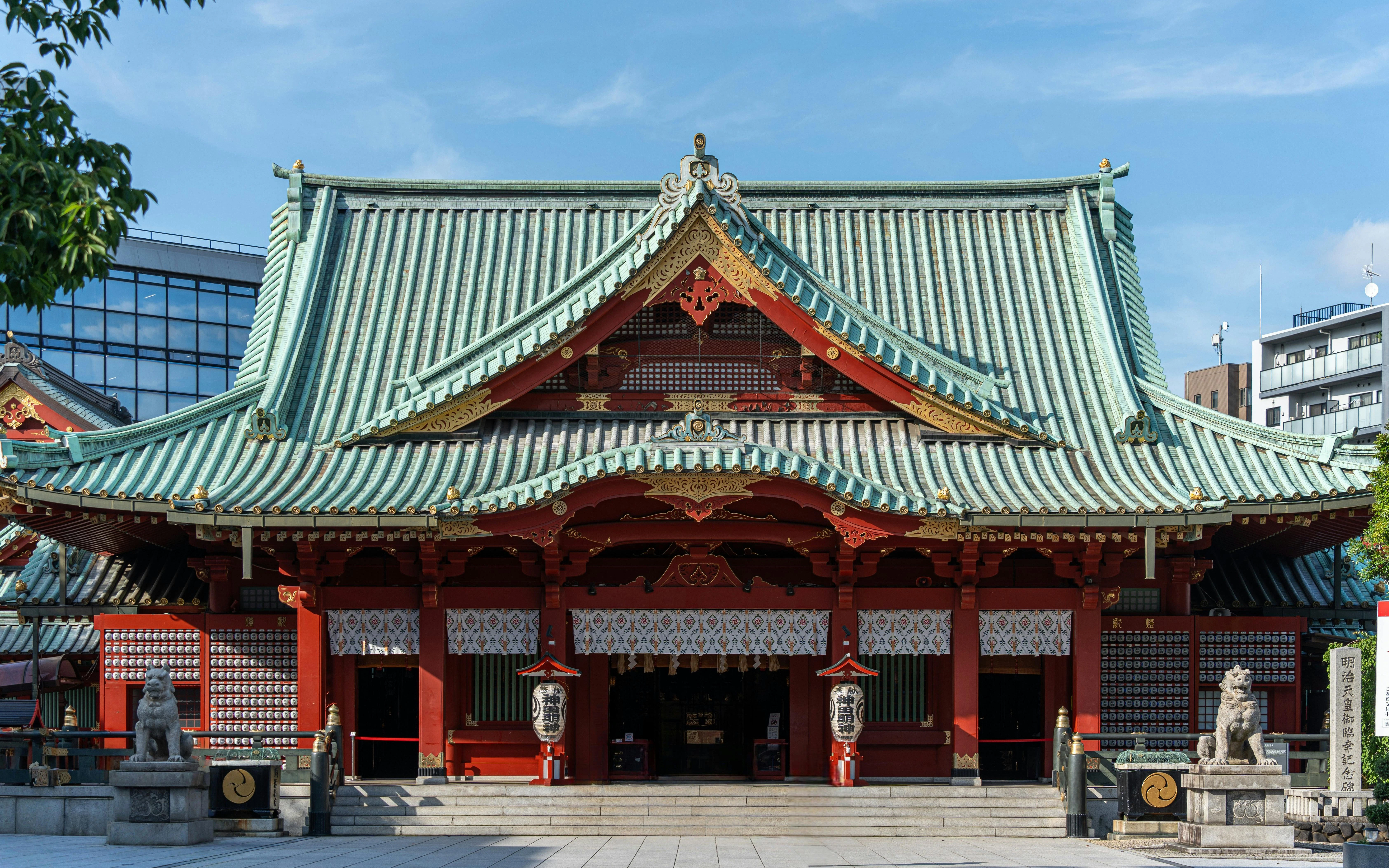
Kanda Myojin above Akihabara streets
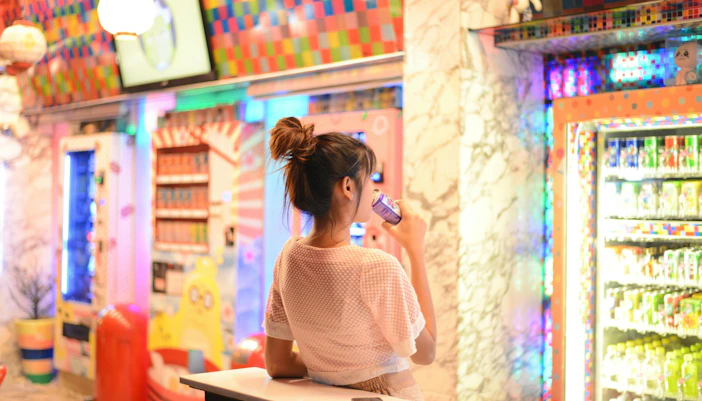
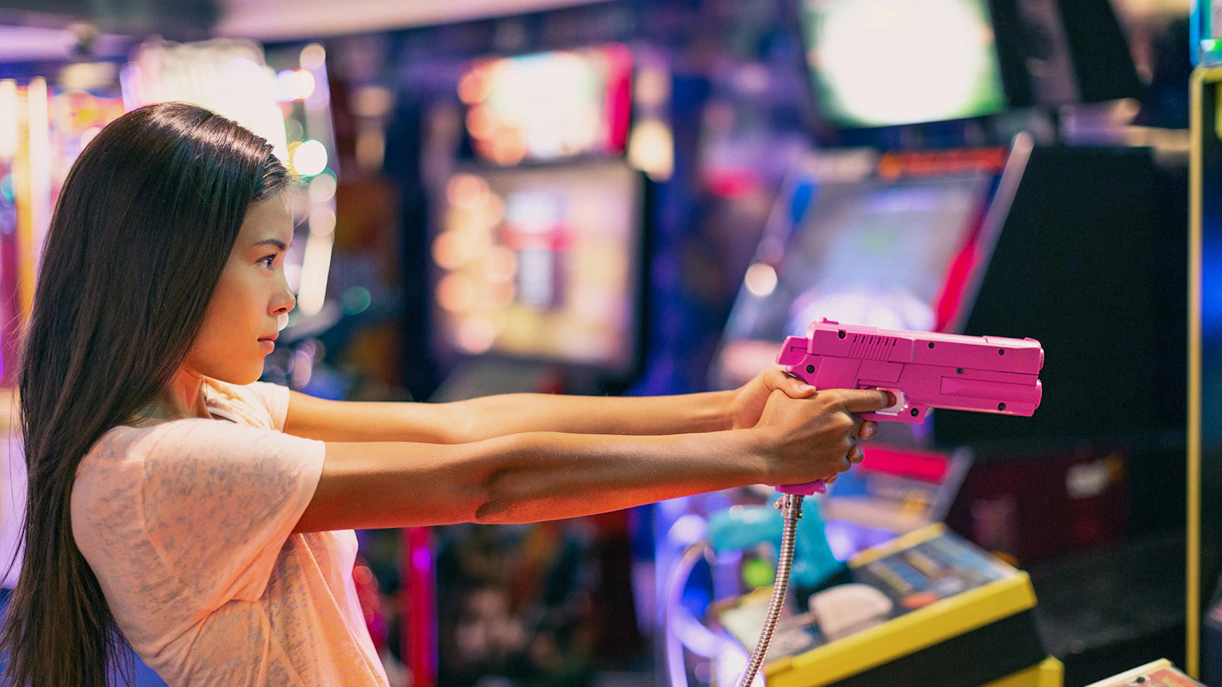
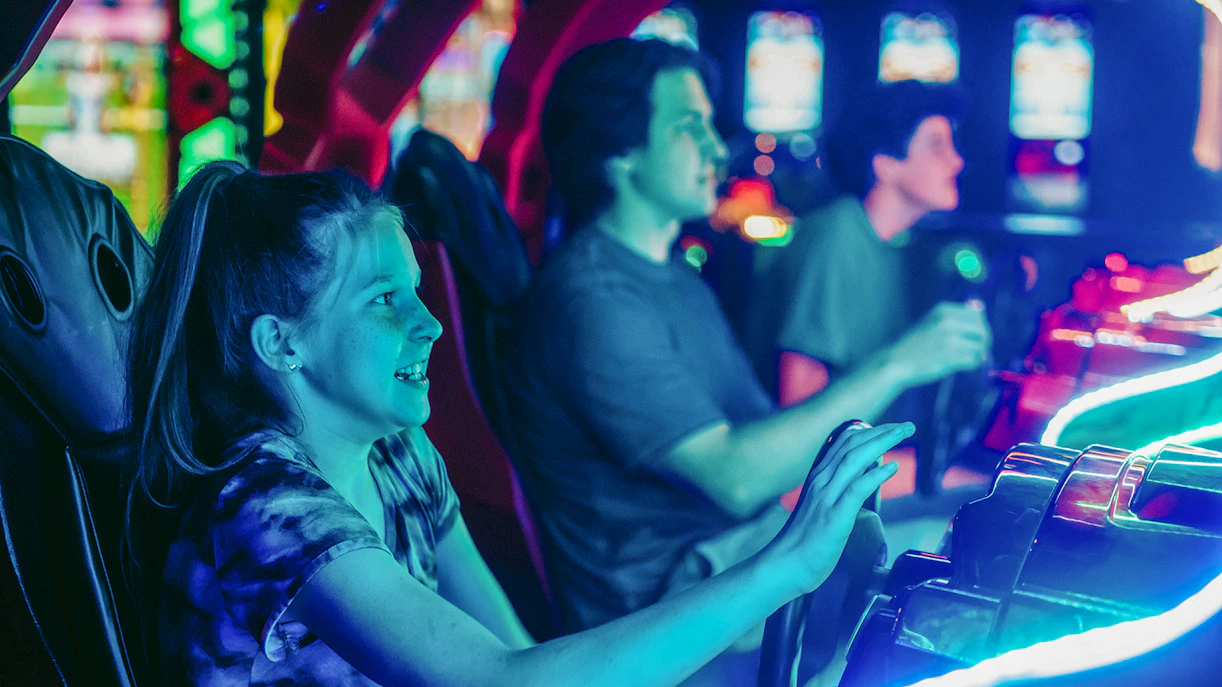
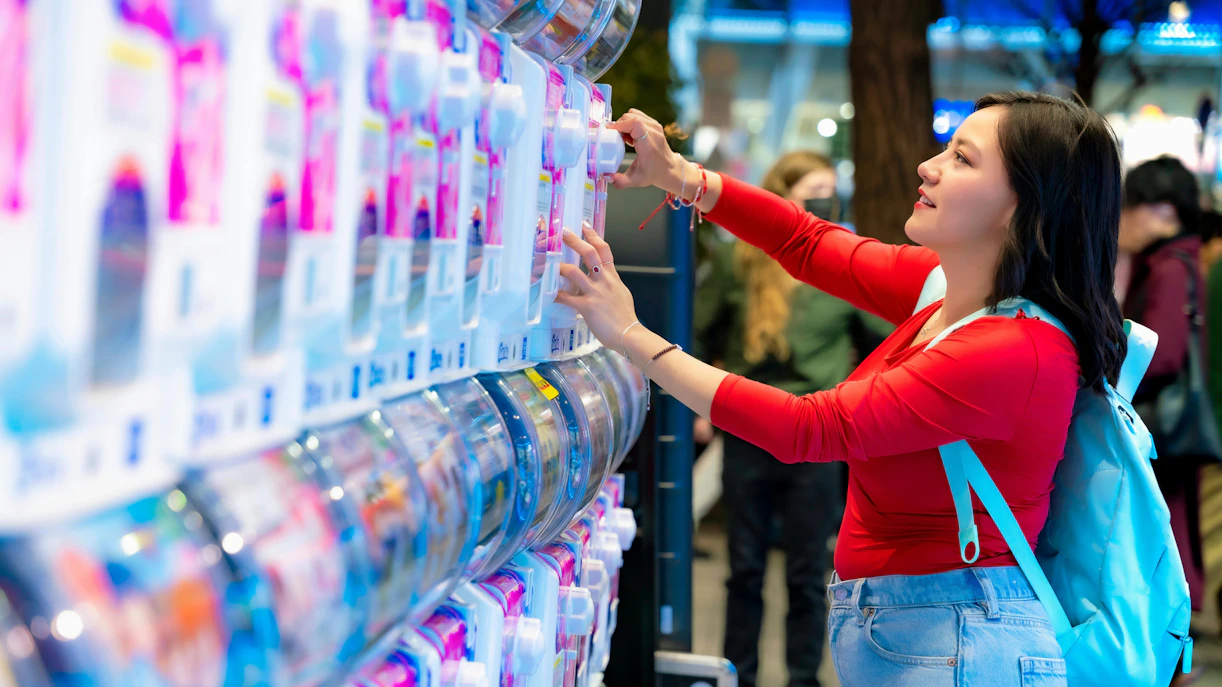
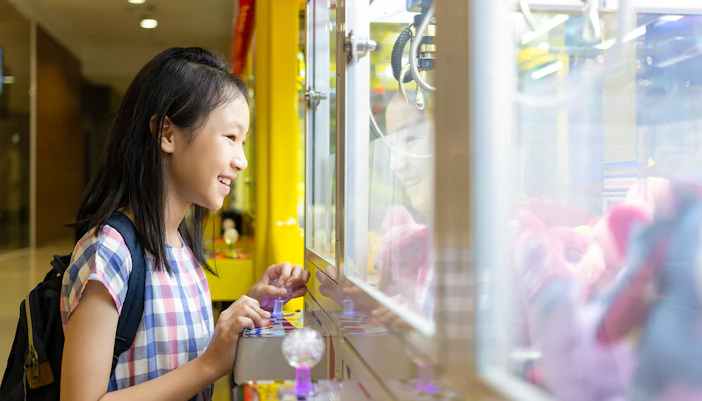
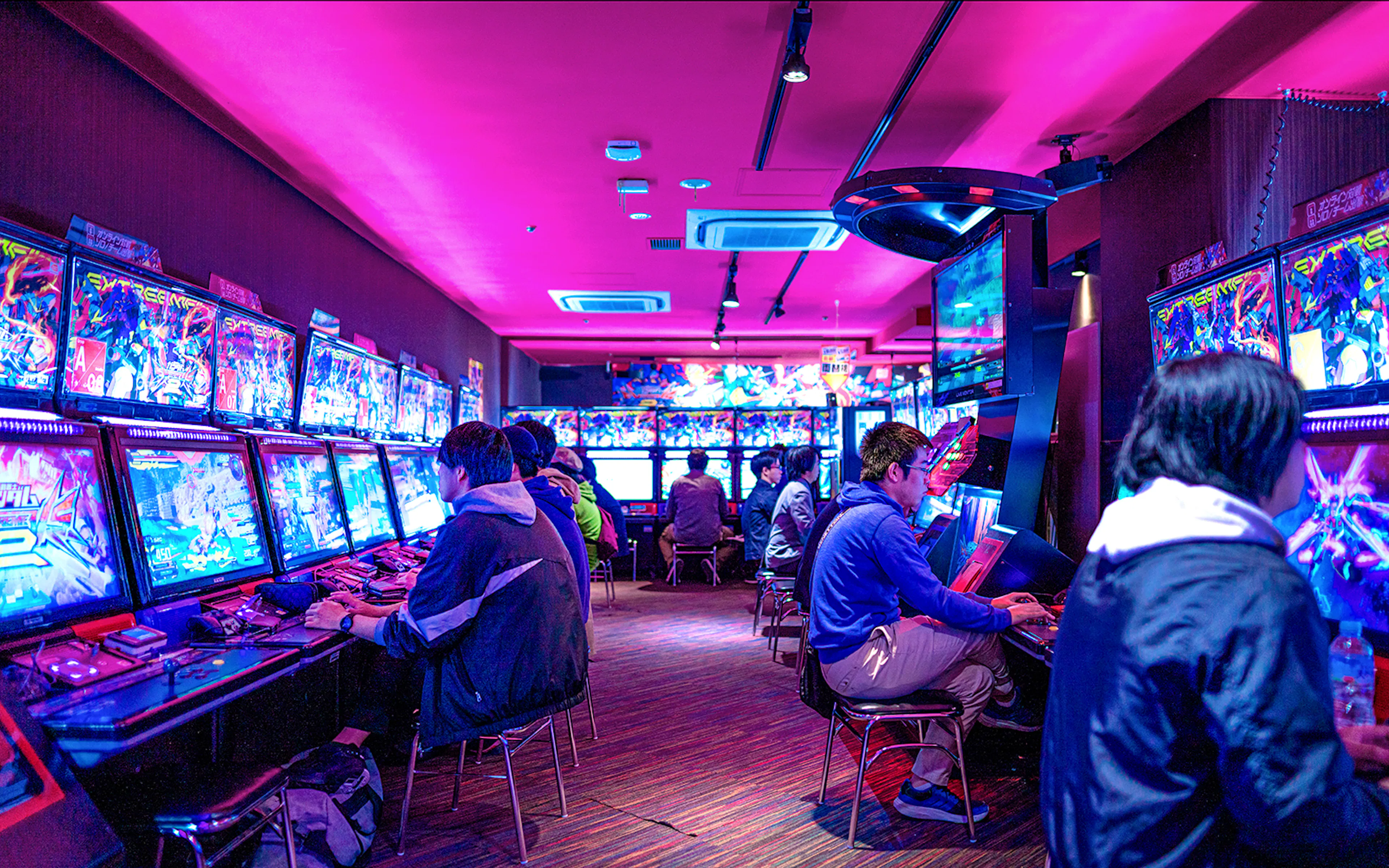
Indoor arcade and shopping floors in Akihabara
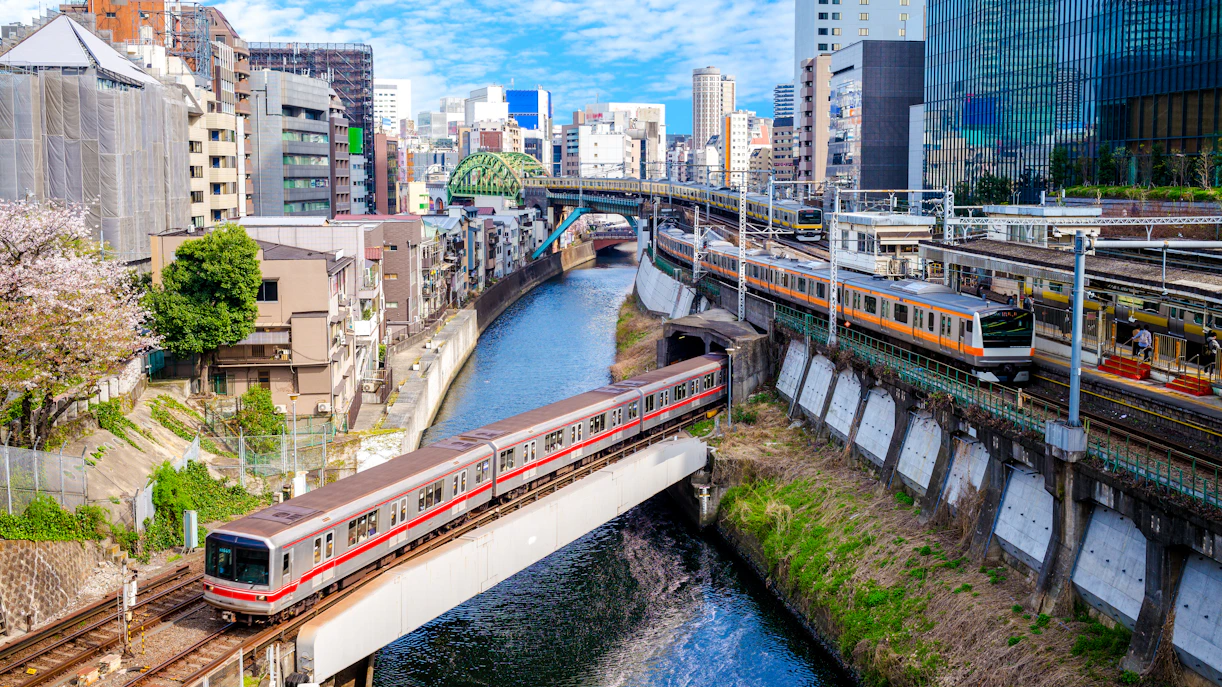
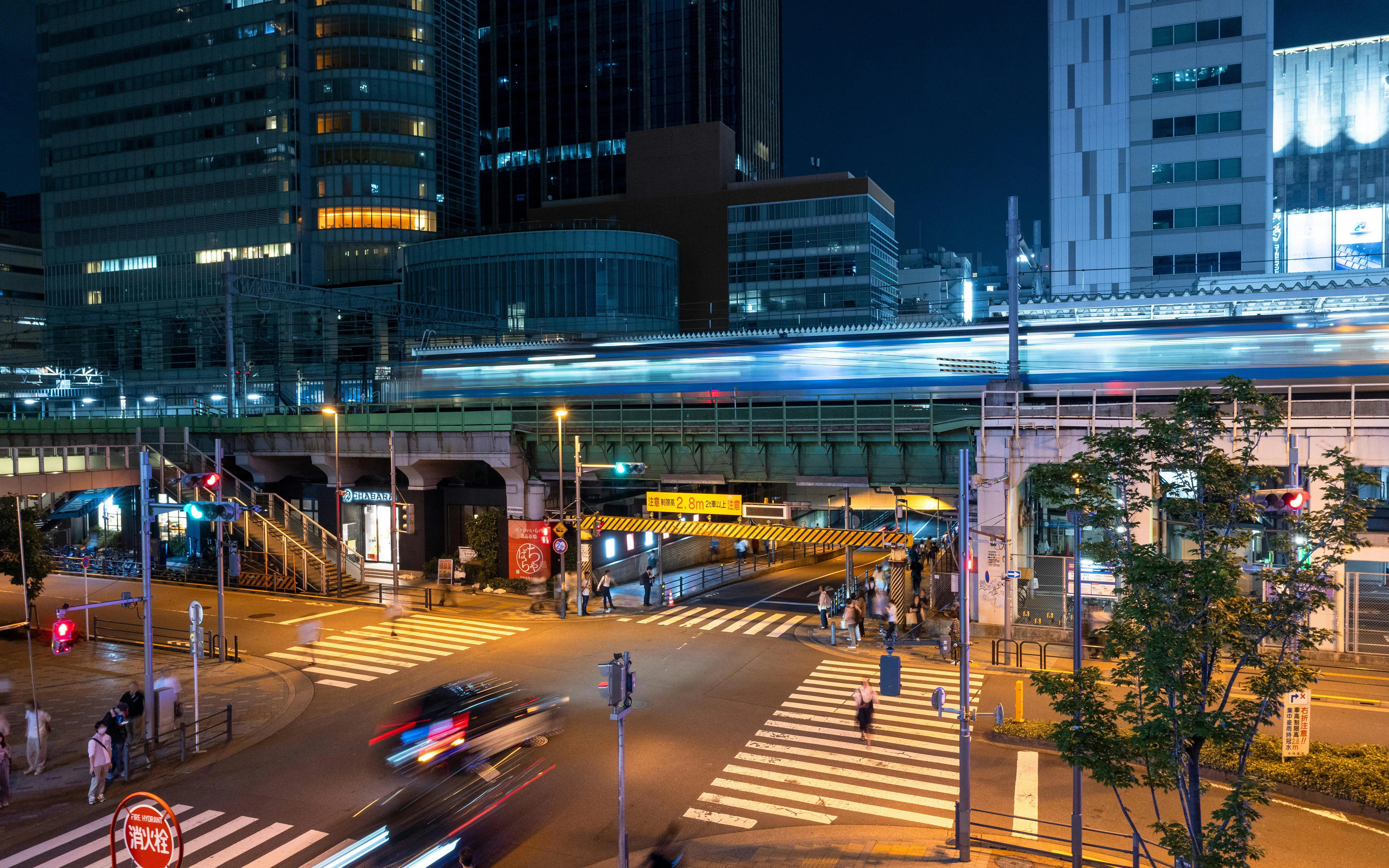
JR Akihabara Station transport links
1/5

Electronics, anime, and gaming are packed into a short walk

From Yodobashi Akiba by the station to Radio Kaikan on Chuo-dori, you can cover mainstream electronics, hobby retail, and collectible shopping without needing transport. Few Tokyo districts are this concentrated.

The area shows how postwar Tokyo remade itself

Akihabara grew from a postwar electronics market into Japan’s best-known Electric Town. That history still shows in the district’s stacked retail buildings, parts counters, and railway-centered street plan.

You can switch from shrine steps to game floors in minutes

Kanda Myojin sits a short walk uphill from the retail core, while the arcades and hobby shops stay clustered below. It’s one of the clearest old-and-new contrasts in central Tokyo.

It works well in bad weather

A large part of Akihabara’s appeal is indoors: arcades, hobby buildings, department-store-style electronics floors, cafés, and trading-card shops. If it’s raining or summer heat is brutal, the district still functions well.

It’s one of Tokyo’s easiest districts to slot into a bigger day

JR Akihabara Station connects quickly to Ueno, Tokyo Station, and Shinjuku, while nearby Tokyo Metro lines help you reach Ginza, Asakusa, and Roppongi. That makes Akihabara easy to pair with another neighborhood.

Best ways to explore Akihabara

Akihabara works best on foot because the appeal is in the density. A good route starts at JR Akihabara Station’s Electric Town Exit, runs up Chuo-dori through Radio Kaikan and the arcade blocks, then finishes at Kanda Myojin or 2k540 AKI-OKA ARTISAN.

Pro tip

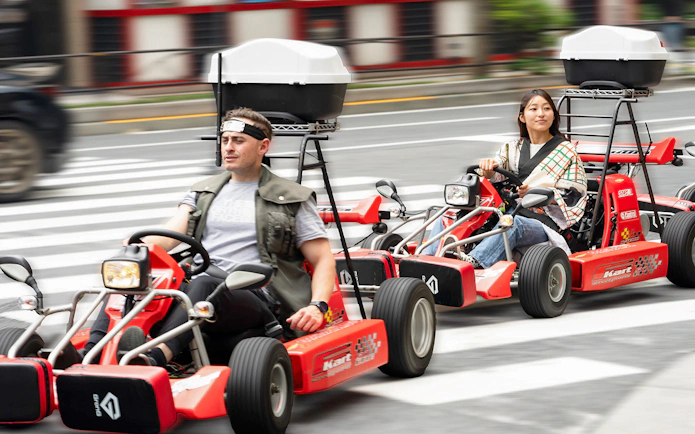
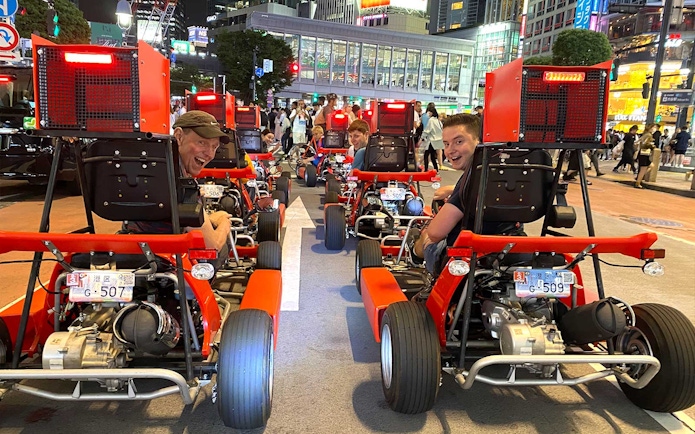
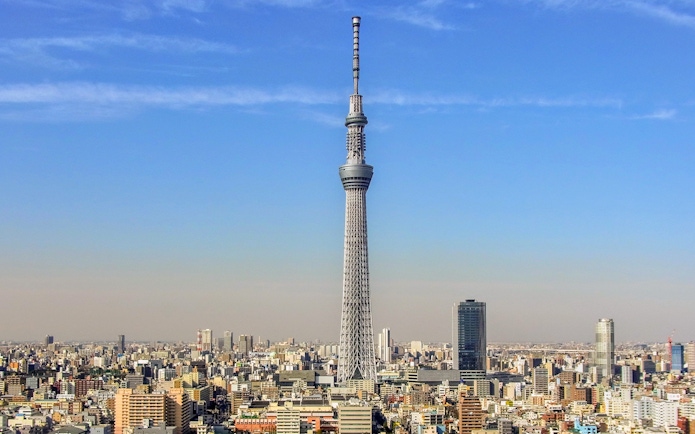
If you want Akihabara’s fast-moving, screen-filled side of Tokyo to carry into the rest of your day, book the Tokyo: Asakusa, Kaminarimon & Skytree 60/120-Min Go-Karting Experience by JAPANKART.

Plan your visit

Pro tip

The best-value transport add-on for Akihabara is the Tokyo Subway Tickets for 24/48/72 Hour (Physical Ticket) if you’re planning to pair the district with Asakusa, Ginza, Ueno-area metro stops, or Roppongi. Just remember: it covers Tokyo Metro and Toei Subway lines, not JR Lines.

Free things to do in Akihabara

Suggested itinerary for visiting Akihabara

Akihabara is compact enough to walk without backtracking if you start at the station and move north or west in a loose loop. The district works best when you mix one or two big buildings with one shrine stop and one quieter detour.

Tips for visiting Akihabara

  • Start with the right exit. Use JR Akihabara Station’s Electric Town Exit if you’re here for anime, games, or electronics. It saves you from crossing over from the broader roads on the Showa-dori side.

  • Don’t come too early for shopping. Many specialty stores in Akihabara aren’t morning businesses. If you arrive before 11am, do Kanda Myojin or mAAch ecute Kanda Manseibashi first and leave the hobby buildings for later.

  • Set a cash limit before entering the arcades. Crane games, rhythm games, and capsule machines burn through small change quickly. Decide on an amount before your first floor, especially around the busier station-side arcade blocks.

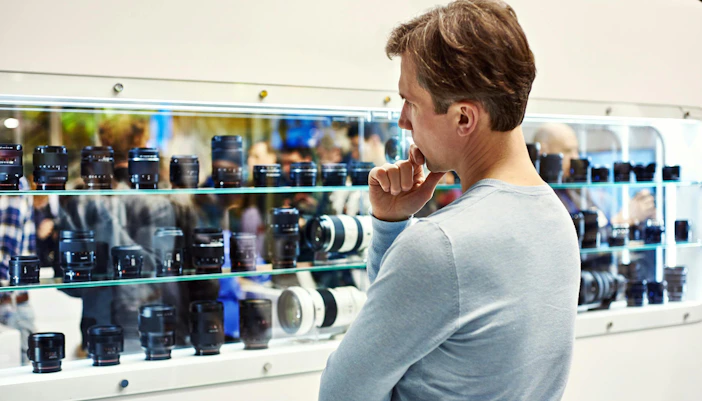
  • Use Yodobashi Akiba for practical electronics, not collector hunting. If you need headphones, chargers, cameras, or travel adapters, go there first. Save Radio Kaikan and the backstreet shops for figures, cards, and hobby goods.

  • Walk uphill to Kanda Myojin when the retail floors start blending together. It’s about 10 minutes from Akihabara’s north end and gives you space, air, and a different visual pace. That reset makes the second half of the district easier to enjoy.

  • For a better photo angle, don’t shoot only at street level by the station. Move a block north or south along Chuo-dori and shoot back into the signage where the facades stack more cleanly. The frame is less cluttered than the immediate station frontage.

  • If you’re using a Tokyo Subway Ticket, plan around metro stops, not JR convenience. The pass covers Tokyo Metro and Toei Subway lines only, so JR Akihabara Station isn’t included. For the north side of the district, Suehirocho Station often makes more sense anyway.

  • Build in one quieter stop. 2k540 AKI-OKA ARTISAN or mAAch ecute Kanda Manseibashi are the easiest places to decompress without leaving the area entirely. Both are useful if you’ve hit your limit on noise, screens, or crowds.

Best photo spots in Akihabara

Chuo-dori signs near Radio Kaikan

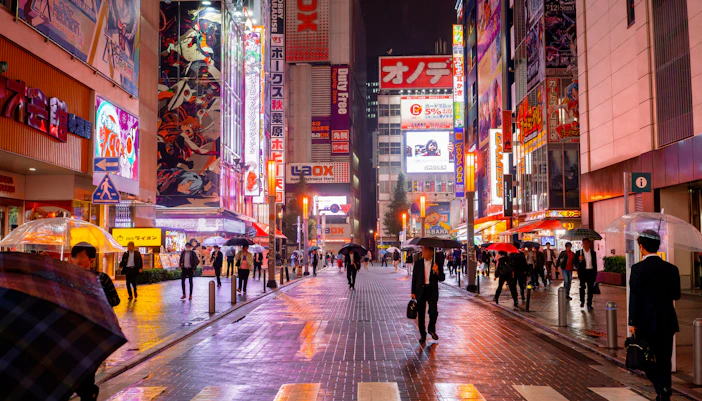
Chuo-dori by Radio Kaikan in the early evening

Stand on the west side of Chuo-dori facing south so the stacked shop signs and traffic flow line up in one frame. Shoot after sunset, when the signs are lit but the street still holds movement.

Electric Town Exit forecourt at night
Kanda Myojin gate in late afternoon
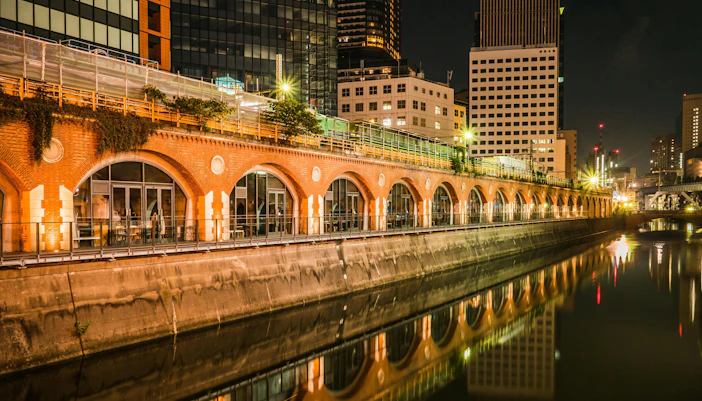
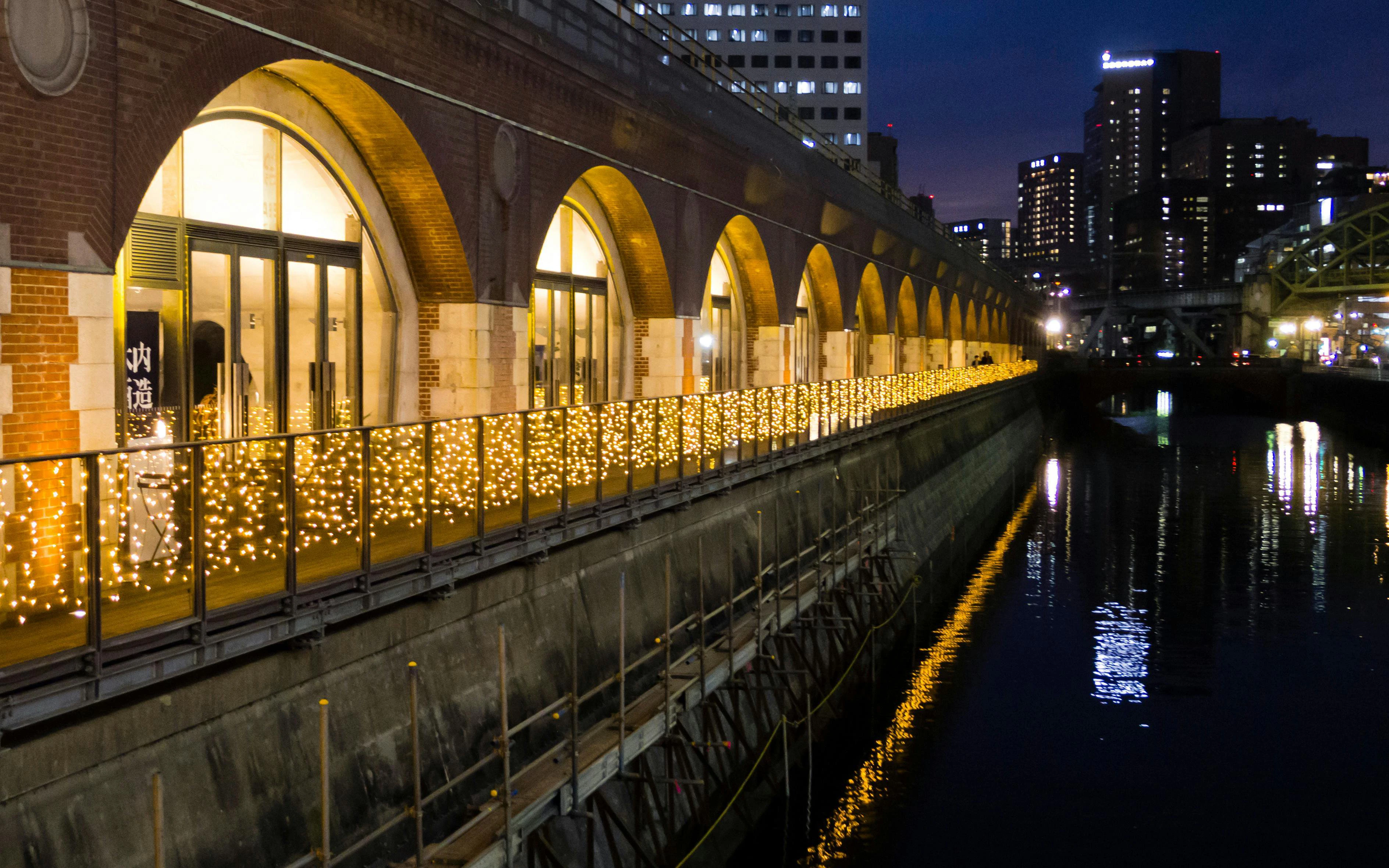
Brick arches at mAAch ecute Kanda Manseibashi
2k540 corridor under railway tracks

Dining in Akihabara

Must-eat tip

If you’re doing one food stop that feels tied to Akihabara rather than just convenient, order the omurice at @home cafe Akihabara Main Store. The ketchup art and table-side interaction are part of the district’s café culture, not just lunch.

Should you stay in Akihabara?

Short answer: Yes, if you want transport convenience, late-day entertainment, and easy access to Ueno, Asakusa, and central Tokyo. Less suitable if you want leafy streets, traditional atmosphere, or a calmer evening base.

  • The vibe — Around Chuo-dori and the station, Akihabara stays bright and busy into the evening because of arcades, shops, and foot traffic. A block or two away, especially toward the office-facing streets, it quiets down much faster than first-time visitors often expect.

  • The logistics — Accommodation here tends to skew toward business hotels, chain hotels, and efficient mid-range stays rather than boutique ryokan-style places. You’re paying for rail convenience and location more than for atmosphere or room size.

  • Who it’s for — It suits anime fans, gamers, first-time visitors who want easy train access, and travelers planning fast-moving city days. It suits families reasonably well because of the transport links, but it’s a weaker fit for people prioritizing nightlife, luxury dining, or old Tokyo street character.

  • Top recommendation — Book on the quieter streets between Akihabara Station and Suehirocho Station, one block off Chuo-dori rather than directly on it. That gives you easier sleep, quick station access, and a short walk back to the district core.

Explore other neighborhoods in Tokyo

Frequently asked questions about Akihabara

No. Anime, games, and collectibles are the obvious draw, but Akihabara also works for electronics shopping, railway-arch architecture around Manseibashi, and easy pairing with nearby Ueno or Kanda Myojin. If you dislike shopping entirely, though, this is usually not a full-day neighborhood.