Tickets Tokyo


Neighborhood at a glance

  • Why visit: Ueno packs Tokyo’s biggest museum cluster, Ueno Park, Shinobazu Pond, and the food-and-market lanes of Ameyoko into one compact area around Ueno Station.
  • Atmosphere: Busy, park-lined, museum-heavy, market-driven.
  • Top things to do: Explore Ueno Park, visit the Tokyo National Museum, browse Ameyoko, walk around Shinobazu Pond.
  • Best for: First-time visitors, museum lovers, families, budget-conscious travelers.
  • Time needed: 4–6 hr.
  • Best time to visit: Weekday mornings for quieter museum entries and a calmer walk through Ueno Park.
  • Nearby: Asakusa, Akihabara, Yanaka, Kappabashi, Okachimachi, Ryogoku.

Top things to do in Ueno

Pro tip

Use JR Ueno Station’s Park Exit if your first stop is the museum side; it saves you from crossing the busier shopping side around Ameyoko and puts you much closer to Ueno Park.

Quick navigation

🏛️ Why visit | 🎟️ Best ways to explore |🧭 Plan your visit | 🌟 Free things to do | 📋 Itinerary | 💡 Tips |🍴 Dining

Why visit Ueno

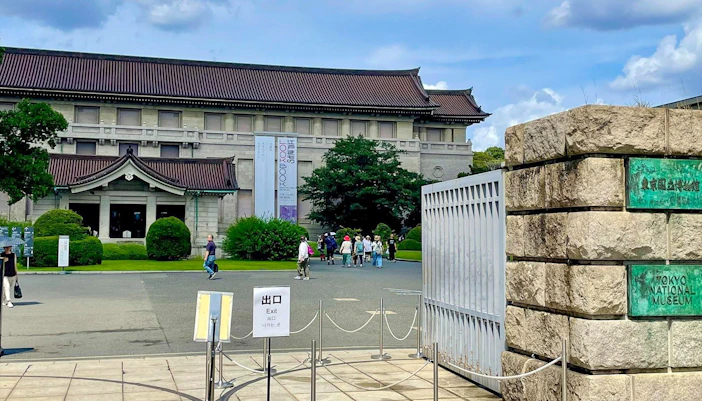
Museums in Ueno Park
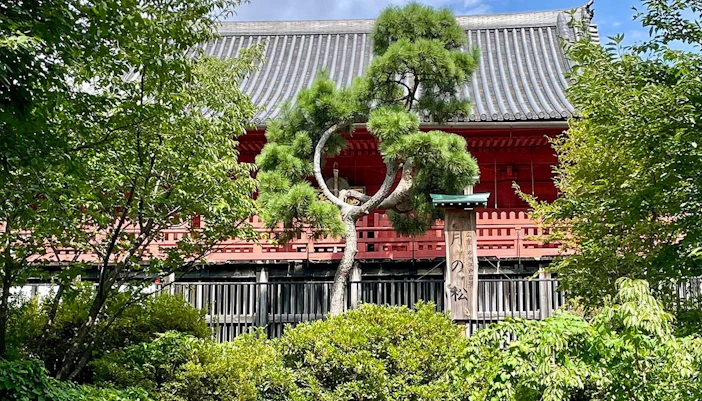
Historic paths in Ueno
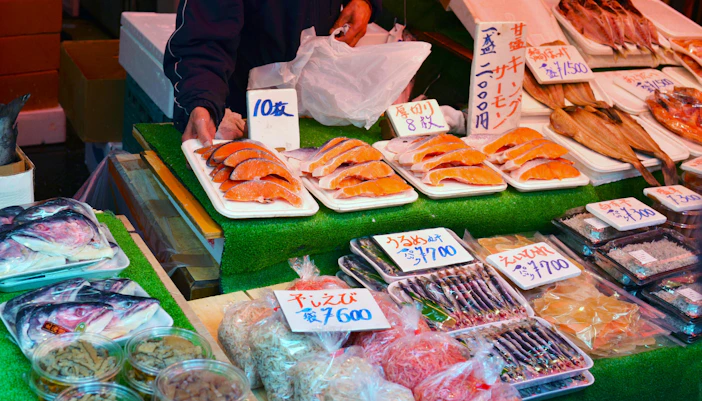
Ameyoko market street
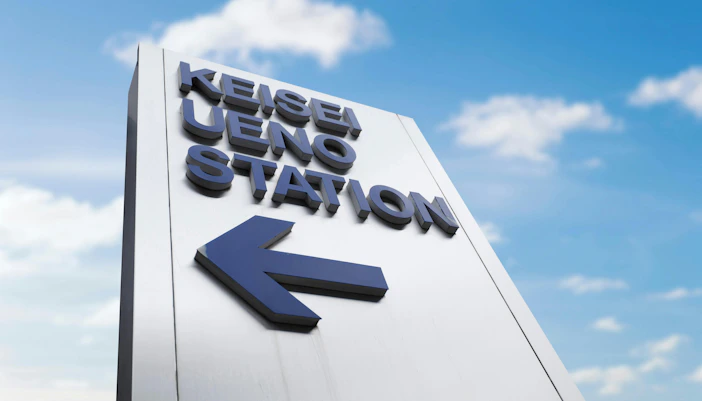
Keisei Ueno station access
Ueno park and market contrast
1/5

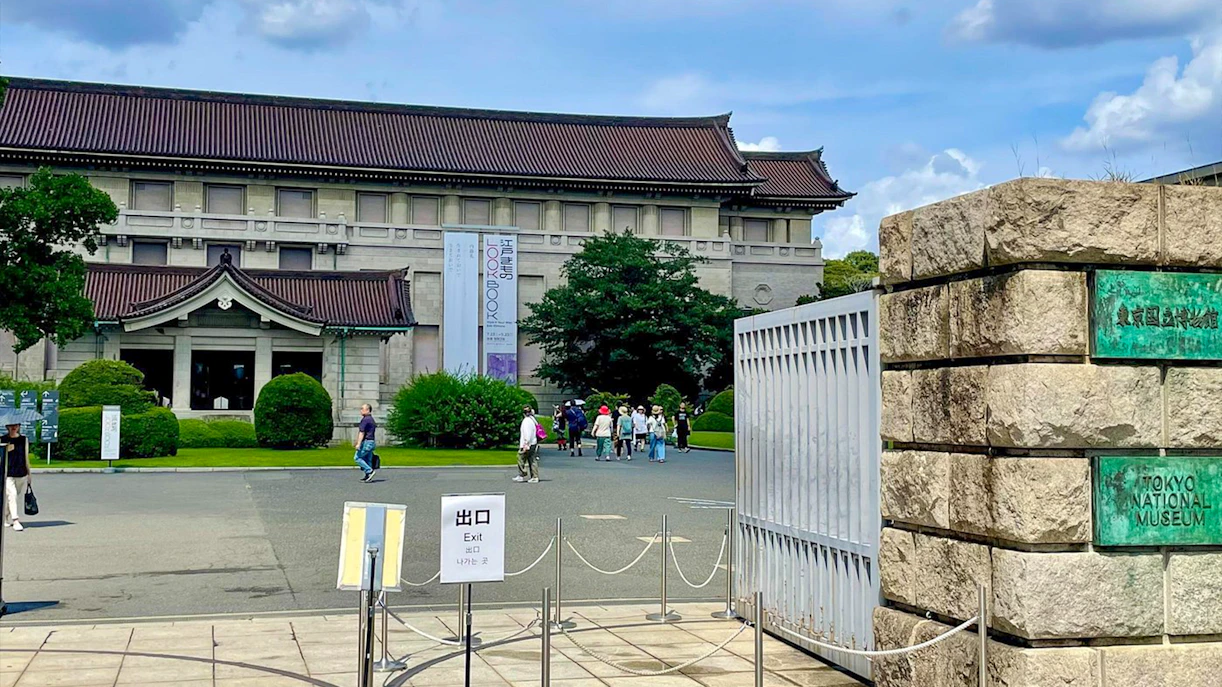
Tokyo’s strongest museum cluster sits in one park

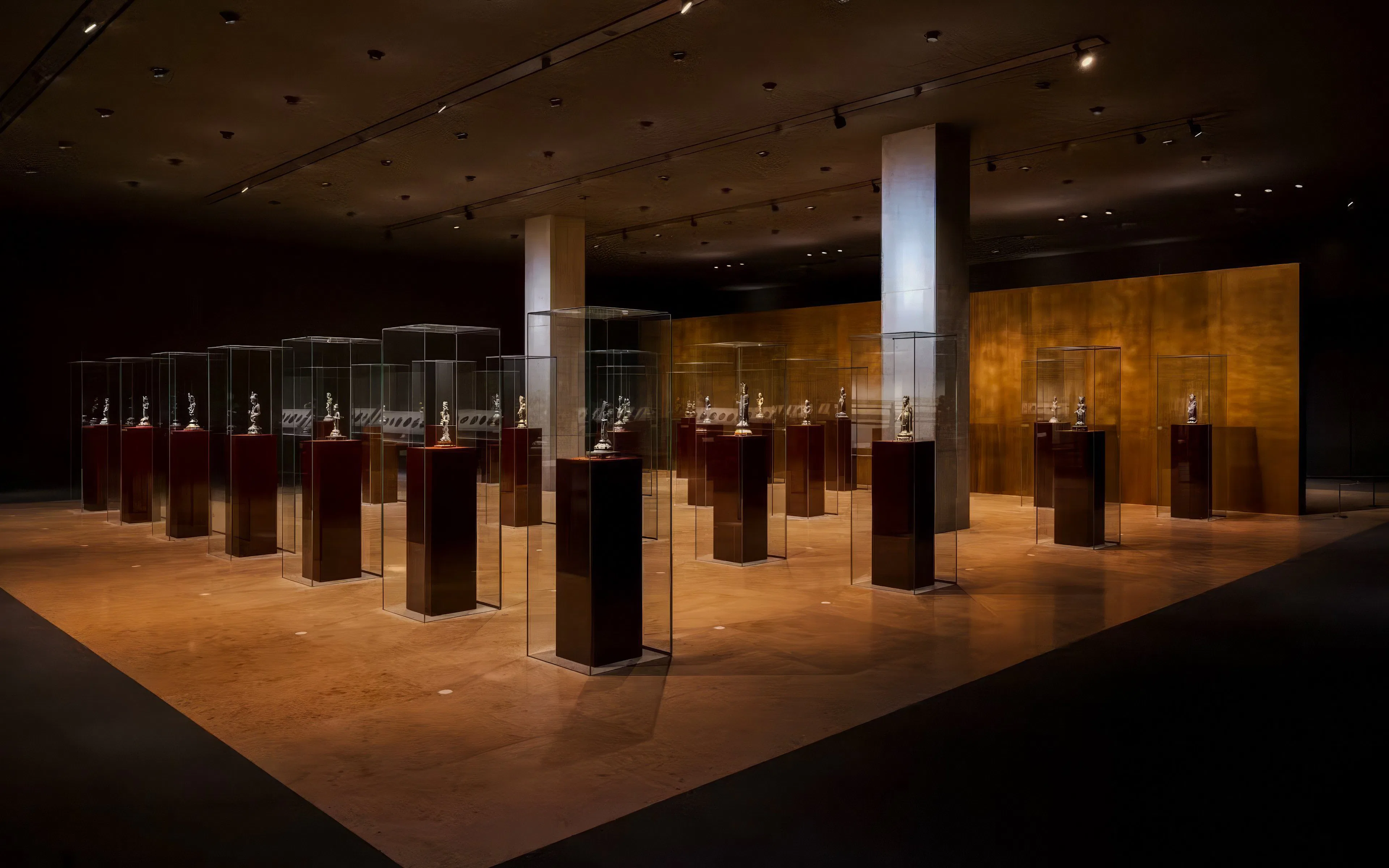
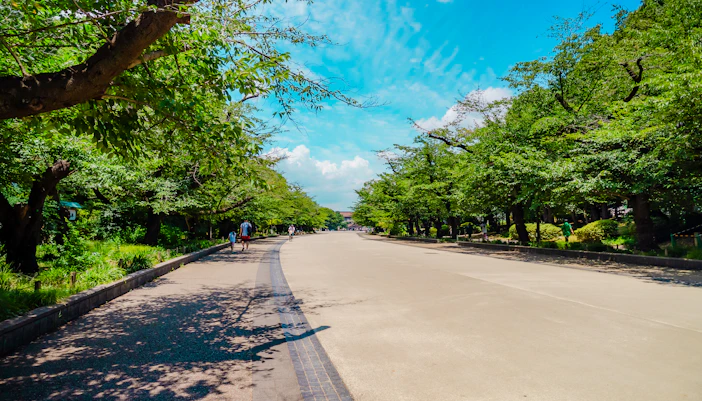
Within Ueno Park, you can move between the Tokyo National Museum, the National Museum of Nature and Science, and other major institutions without using transport. Few Tokyo neighborhoods reward a museum-focused day this efficiently.
Ueno became one of Japan’s first public parks in 1873

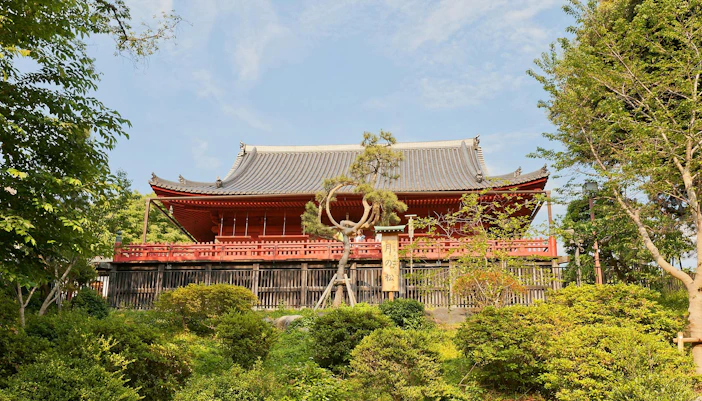
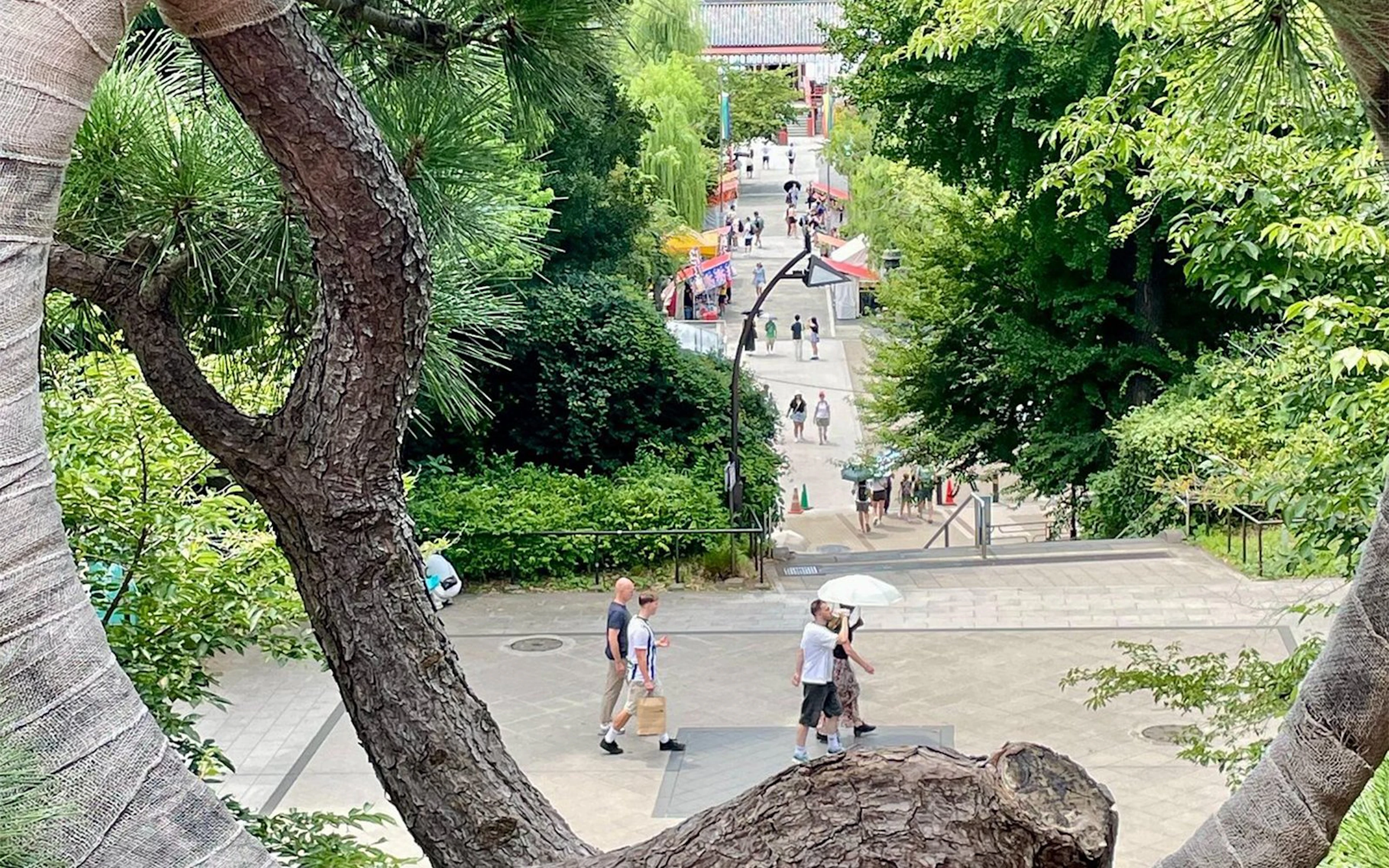
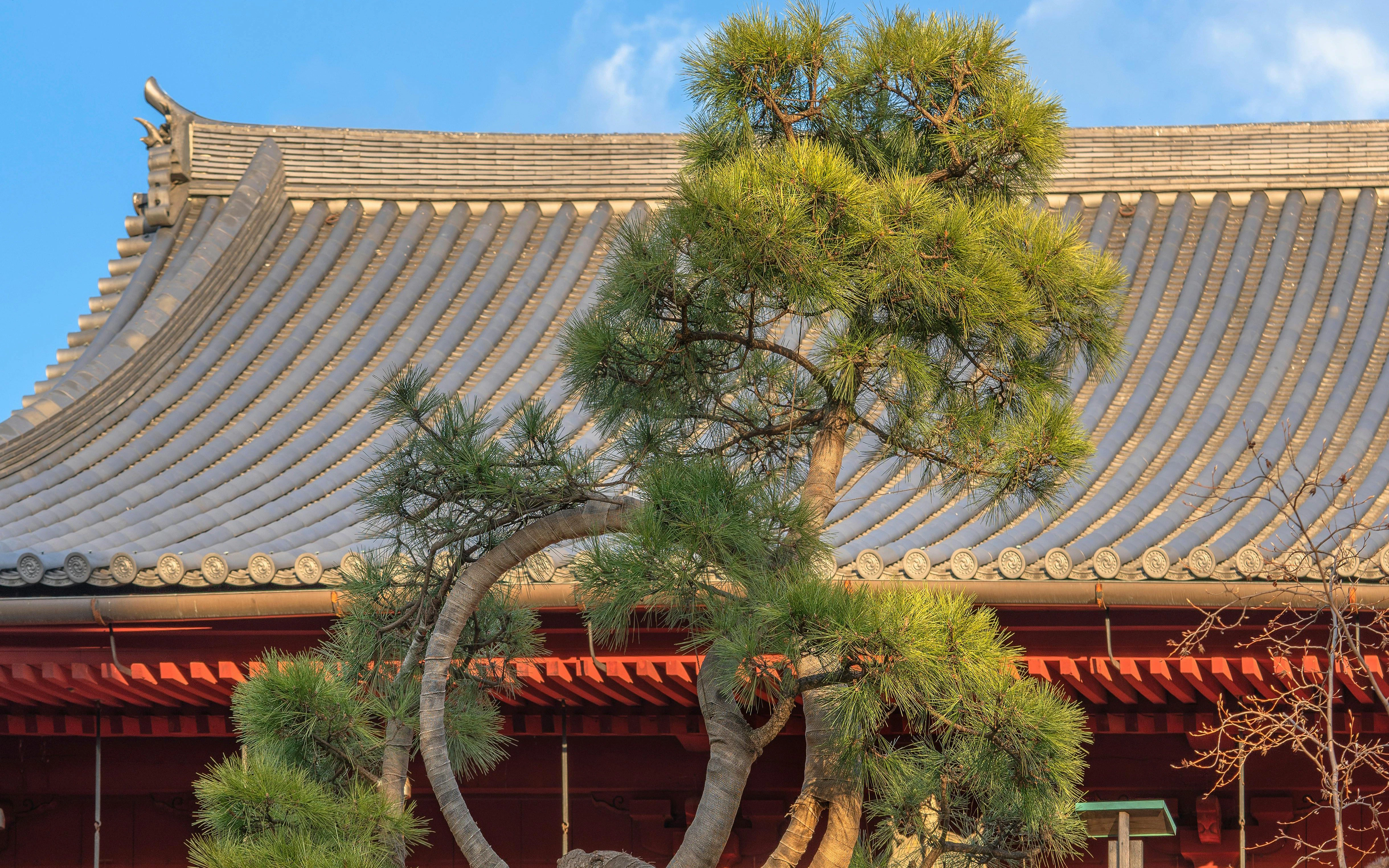
The ground here has shifted from temple land and battleground to public cultural space. Walking Ueno today means seeing how modern Tokyo built museums and civic life onto older Edo-era terrain.

Ameyoko gives you a cheaper, louder counterpoint to the museums

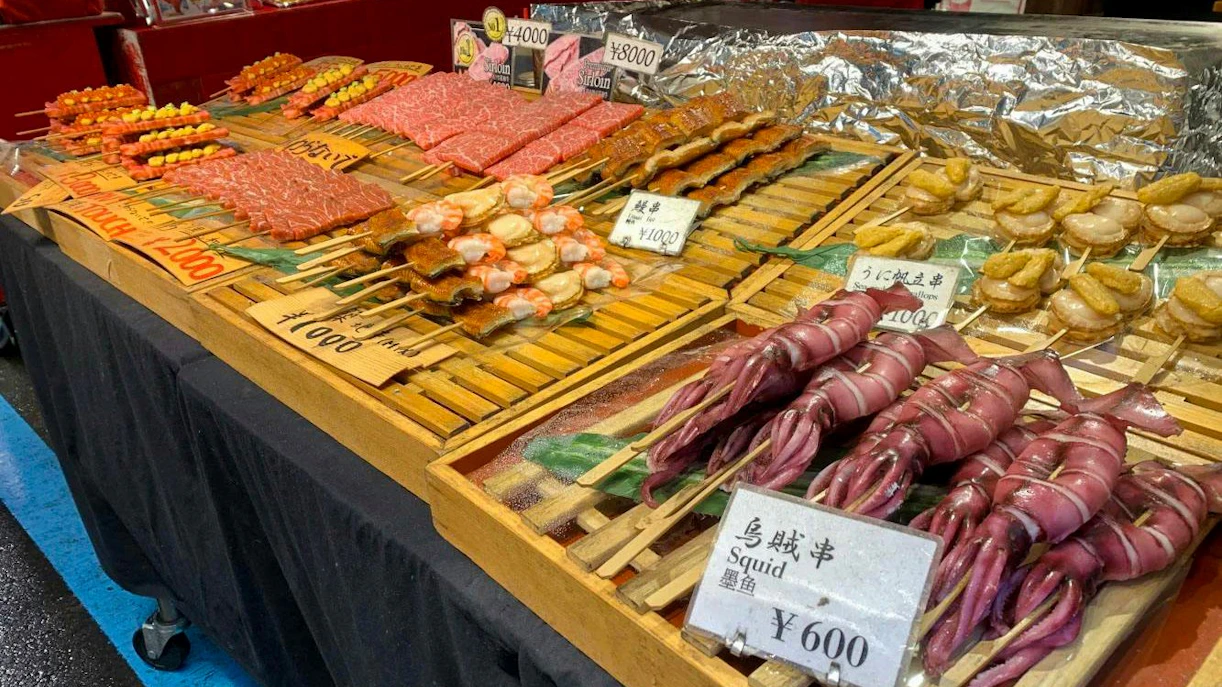
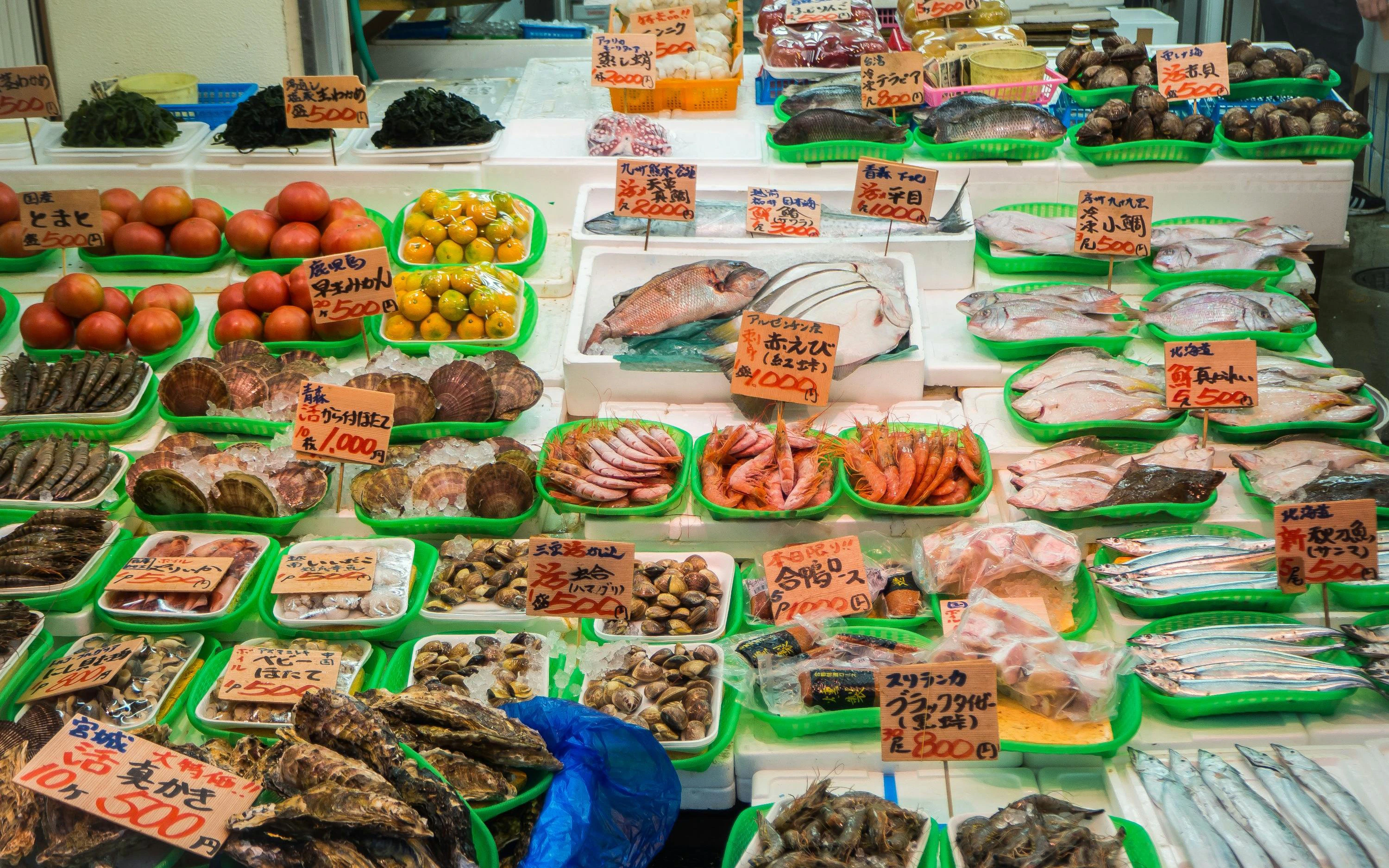
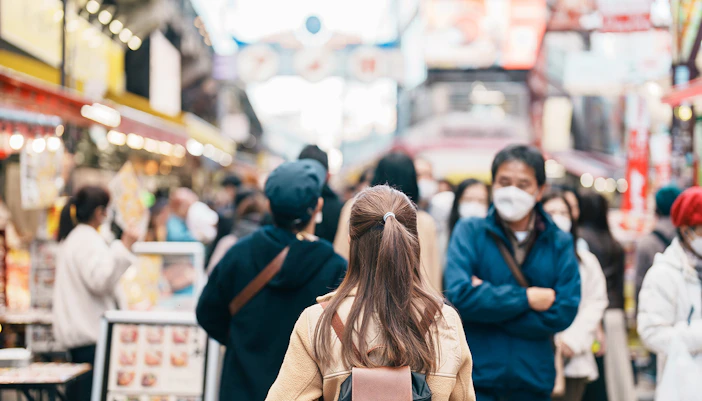
A few minutes from gallery halls, Ameyoko throws you into seafood grills, discount clothing racks, sweets, and train-track noise. It’s one of the clearest neighborhood contrasts in central Tokyo.

It works unusually well for airport arrivals

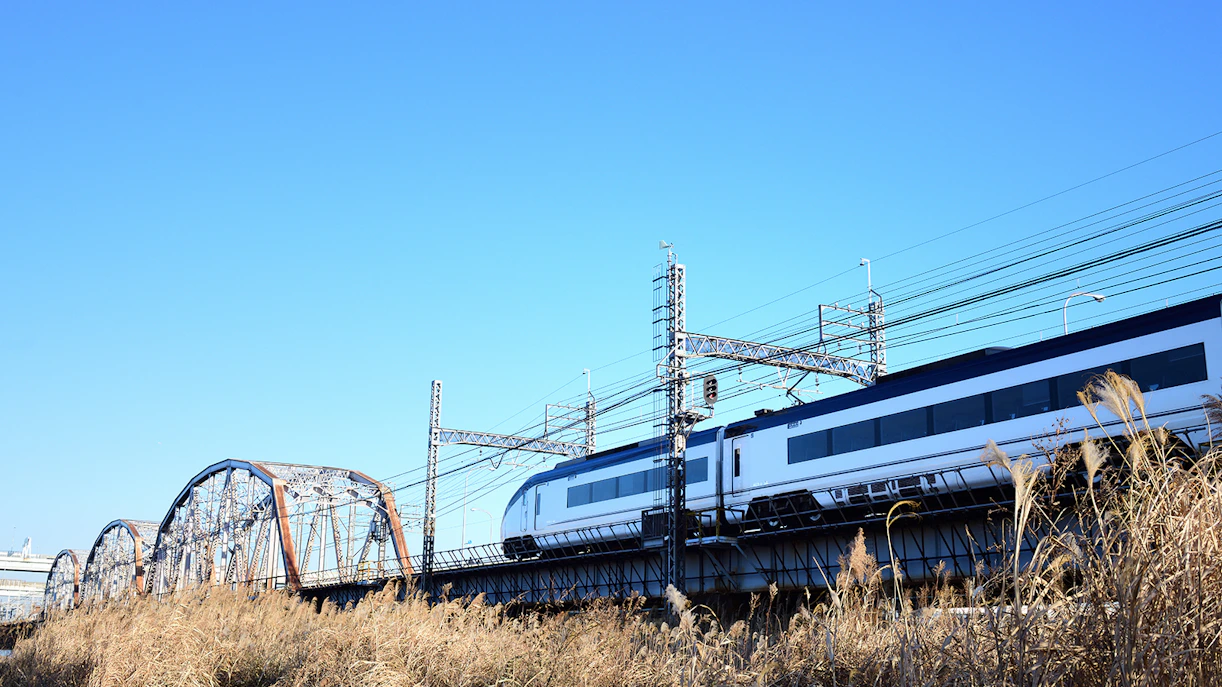
Keisei Ueno links directly to Narita-bound rail routes, and JR Ueno sits on major city lines. If you want to land, drop bags, and start sightseeing fast, Ueno makes that practical.

The park side and market side give you two different Tokyos

North and west of the station, you get lawns, museums, temple corners, and pond paths. South and east, you get Ameyoko, Okachimachi retail, and one of the city’s busiest budget shopping zones.

Best ways to explore Ueno

Ueno works best on foot because its main draws sit close together: JR Ueno Station, Ueno Park, the Tokyo National Museum area, Shinobazu Pond, and Ameyoko. A good walk here should cover both the museum side and the market side, because that contrast is the whole point.

Plan your visit

Pro tip

If you want a low-effort overview before walking, use the Sky Hop Bus: Tokyo Hop-On Hop-Off Bus Tour and get off at Ueno Matsuzakaya on the Red Route for quick access to Ameyoko and the park side.

Free things to do in Ueno

Suggested itinerary for visiting Ueno

Ueno is easy to walk if you treat it as two linked zones: the park-and-museum side west of the station, and the market-and-rail side around Ameyoko and Okachimachi. The best routes move from quieter spaces to busier ones, not the other way around.

Tips for visiting Ueno

  • Use JR Ueno Station Park Exit if your first stop is Ueno Park or Tokyo National Museum. The shopping-side exits drop you closer to Ameyoko and can add unnecessary walking and crowd navigation.
  • If you land at Narita Airport and are staying nearby, the Keisei Skyliner Express: One-Way/Round-Trip Train Transfers Between Narita Airport & Ueno/Nippori Station is the cleanest way to start a Ueno-based trip. It gets you into the neighborhood without an extra city transfer first.
  • Do the museum side before Ameyoko, not after, if you want a balanced day. Once you’ve been through the noise and food smells of the market lanes, settling into gallery pace is harder.
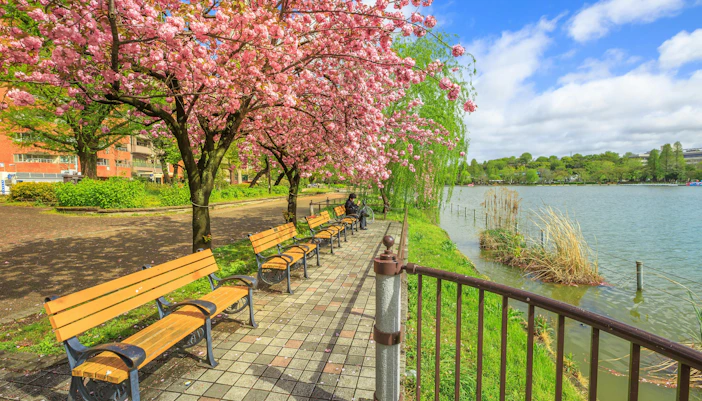
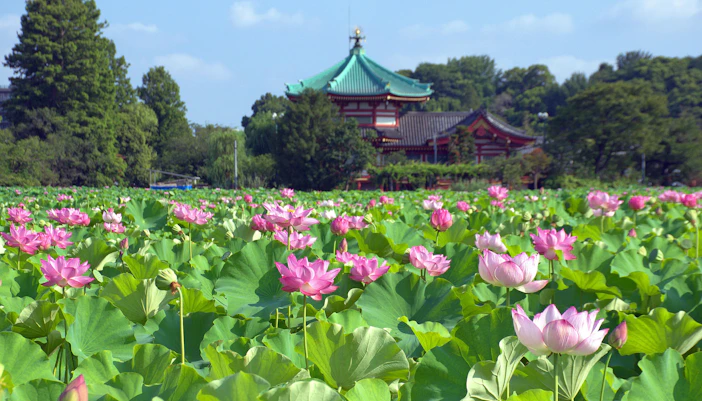
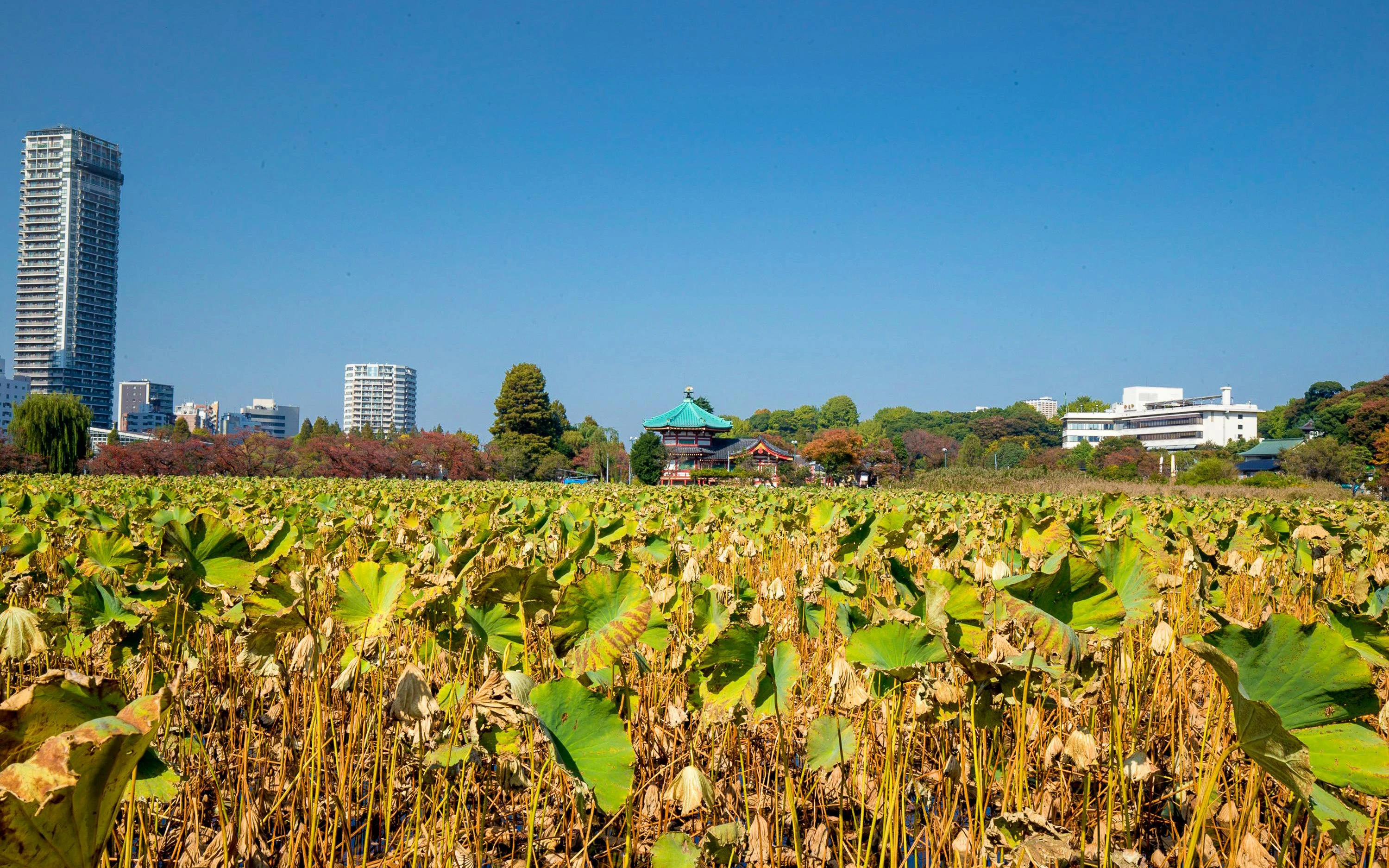
  • For a better pond view, don’t stop at the first railing near the path. Walk toward the Bentendo approach and look back across the water for a wider frame with fewer people in it.
  • If you want dessert rather than a full sit-down break, aim for Mihashi Ueno Main Store instead of buying the first snack you see in Ameyoko. You’ll get a proper seat and a more distinct Ueno-style sweets stop.
  • Ameyoko is easiest to browse either before noon or after the main lunch rush. Between roughly 12pm and 2pm, the lanes can turn into stop-start foot traffic.
  • If you only have one paid stop in Ueno, make it Tokyo National Museum rather than trying to split time across multiple museums. Ueno rewards depth better than checklist hopping.
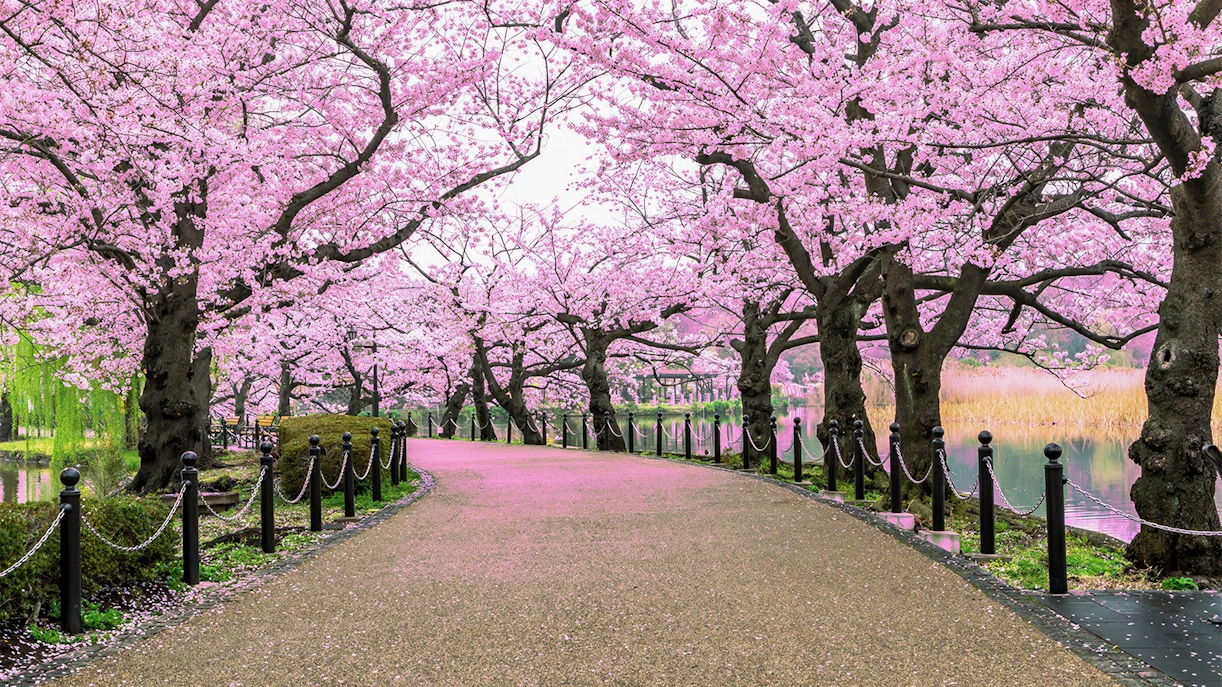
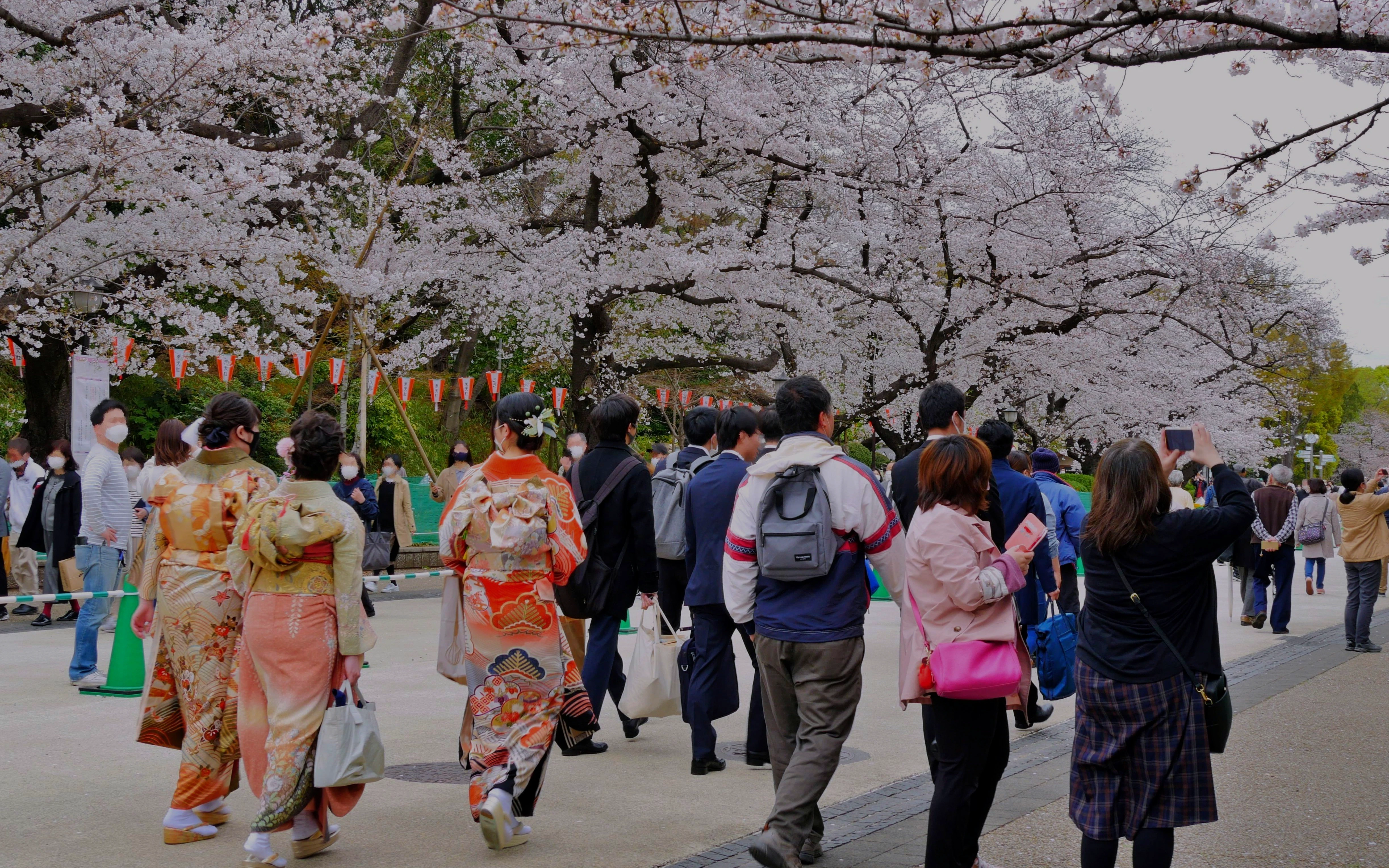
  • During Ueno Sakura Matsuri in late March and early April, enter the park early and leave the market for later. The blossom crowds are concentrated on the park avenues first.

Best photo spots in Ueno

Bentendo approach over Shinobazu Pond

Bentendo approach at late afternoon

Stand on the walkway leading onto the Bentendo temple island and face back toward the pond edge. You’ll frame water, boats, tree lines, and the curved shore with softer side light than midday.

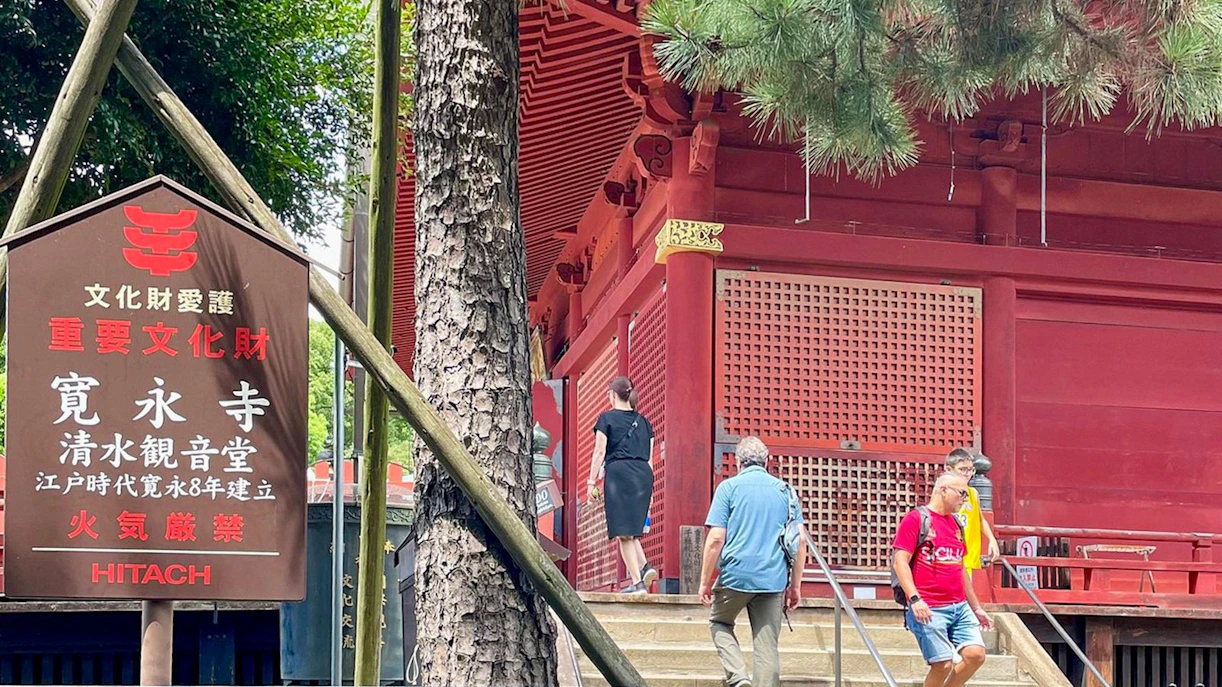
View from Kiyomizu Kannon-do overlook
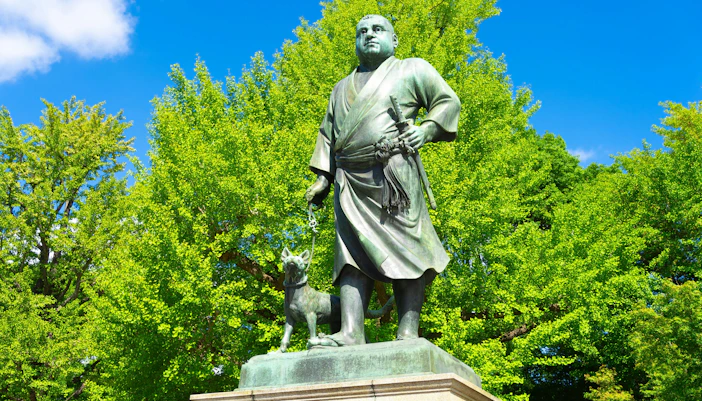
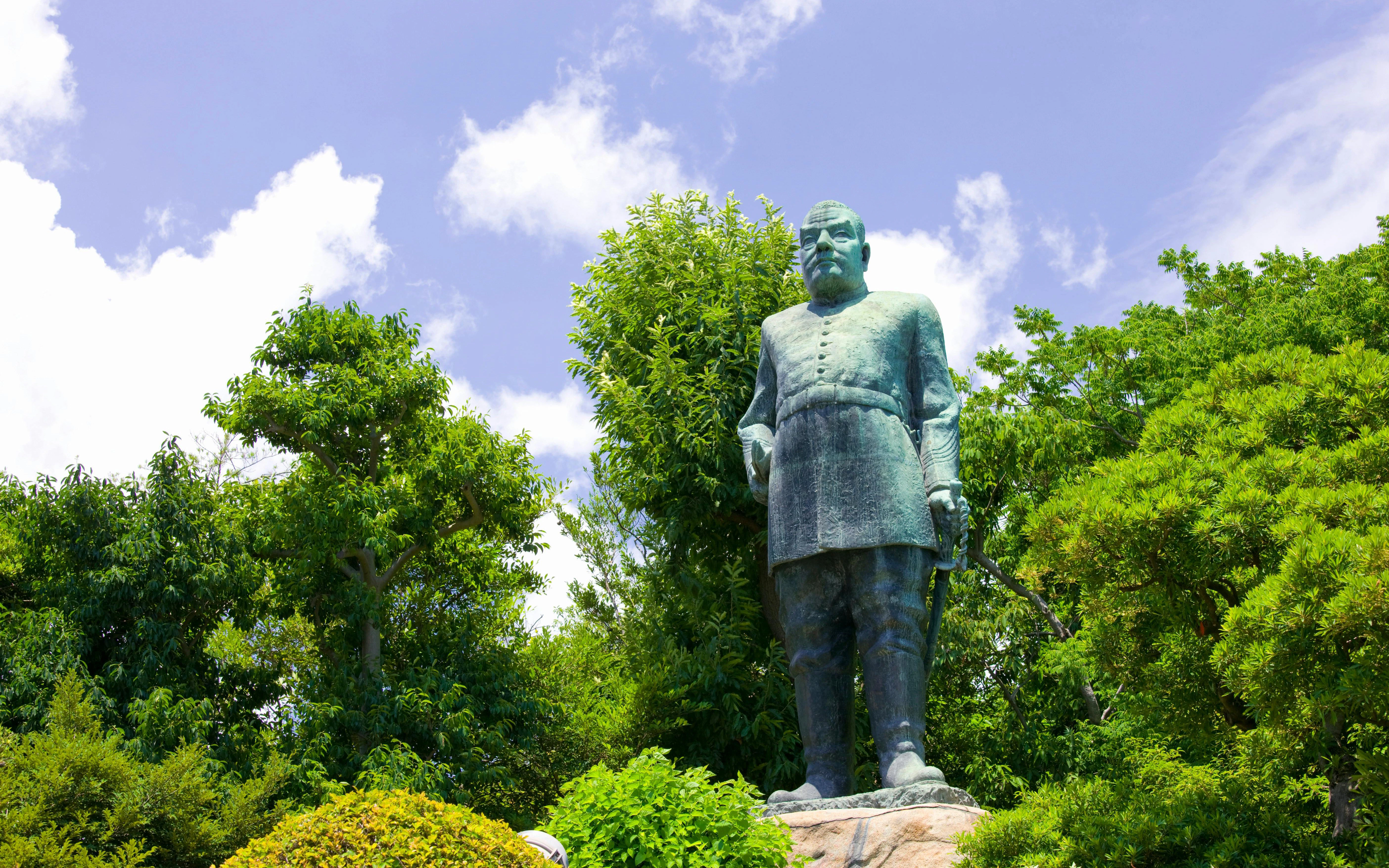
Saigo Takamori statue clearing
Ameyoko entrance under train tracks
Cherry blossoms on Ueno Park avenue

Dining in Ueno

Must-eat tip

If you eat one thing that feels tied to old-school Ueno rather than generic station food, make it anmitsu at Mihashi Ueno Main Store. It’s a better neighborhood-specific stop than grabbing random sweets in the Ameyoko rush.

Should you stay in Ueno?

Short answer: Yes, if you want strong transport links, easier hotel pricing, and museums on your doorstep. Less ideal if your trip is built around late-night bars, luxury shopping, or Shibuya-style nightlife.

  • The vibe — Early mornings in Ueno Park are quiet and spacious, while the Ameyoko side stays busier and louder into the evening. After museum hours, Ueno feels more like a transport and dining district than a late-night entertainment district.
  • The logistics — Ueno has a dense mix of chain hotels, business hotels, and practical mid-range stays around Ueno Station, Keisei Ueno, and Okachimachi. You’re also well placed if you want a direct Narita connection through the Keisei Skyliner Express: One-Way/Round-Trip Train Transfers Between Narita Airport & Ueno/Nippori Station.
  • Who it’s for — Ueno suits first-time visitors, museum-heavy travelers, families, and anyone who wants easier airport access. It’s less suited to travelers who want designer retail, rooftop bars, or a nightlife-first base.
  • Top recommendation — Look around the park-side streets near JR Ueno Station or the Keisei Ueno side if you want quick museum access and better arrival logistics. For slightly calmer nights, edge a little south toward Okachimachi rather than booking right on the busiest market lanes.

Explore other neighborhoods in Tokyo

Frequently asked questions about Ueno

Yes. Ueno is one of Tokyo’s most convenient arrival bases from Narita because the Keisei Skyliner Express: One-Way/Round-Trip Train Transfers Between Narita Airport & Ueno/Nippori Station runs directly to the area. If you want to land, check in, and start sightseeing without a complicated transfer, Ueno is one of the easiest places to do it.