- Operating hours: Evening departures are usually scheduled around early evening; exact start times are shown on your ticket and can vary by date.
- Last departure: Boarding typically begins about 15–20 minutes before sailing, so arrive early to complete check‑in and settle into your seat.
- Best time of day to go: Evening cruises are most popular for illuminated cityscapes, bridges, and skyline views over Tokyo Bay.
- Best season/month to visit: Spring sakura and summer festival periods feel livelier, but the hot‑pot dinner cruise itself is offered year‑round.
- Duration: This traditional hot‑pot cruise lasts about 1.5–1.75 hours, including dining and sightseeing, depending on the operator’s route.
- Seasonal notes: Routes and schedules may be adjusted on holidays, event days, or during extreme weather; always refer to the latest timing on your voucher.
How Headout makes choosing experiences effortless
We curate the best ways to experience
We research and organise all unique experiences - from tickets to tours to special combos - so you get all the choices without the clutter.
We partner with the best
Every supplier is vetted for quality, reliability, and value so you only get top rated experiences. No surprises, no disappointments.
All the best options, in one place
Each experience is thoughtfully organised to give you maximum availability, great value and an easy way to choose.
Book with complete peace of mind
Free cancellations, Flexible payments, and 24/7 support - thoughtfully designed for flexibility, assurance, and total peace of mind.
Slide 1 of 41/4
Slide 1 of 4
Quick overview
- Ways to experience: Choose from shared dinner cruises with tatami seating or limited‑season sakura sailings along Tokyo Bay and the Sumida River, depending on the time of year.
- Additional access: Look out for inclusions like live shamisen performances, unlimited soft drinks, or bundled entry to Tokyo Tower on select cruises.
- Unique experiences: Enjoy an intimate tatami‑style cabin, routes tailored to each season, and close‑up views of landmarks like Tokyo Skytree, Rainbow Bridge, and Odaiba’s futuristic skyline.
- When to book: Reserve at least 3–7 days in advance, and even earlier for cherry blossom season, summer festival dates, and weekend evenings when sailings sell out faster.
- Good to know: Most cruises run about 1.5–2 hours, with convenient boarding from piers such as Asakusa, Tsukishima, or Hinode near major train and subway stations.
- Best upgrade: For a more indulgent experience, choose menus featuring higher‑grade beef or options with extended cultural performances and drink inclusions.
What to expect from Yakatabune Cruises
1/6
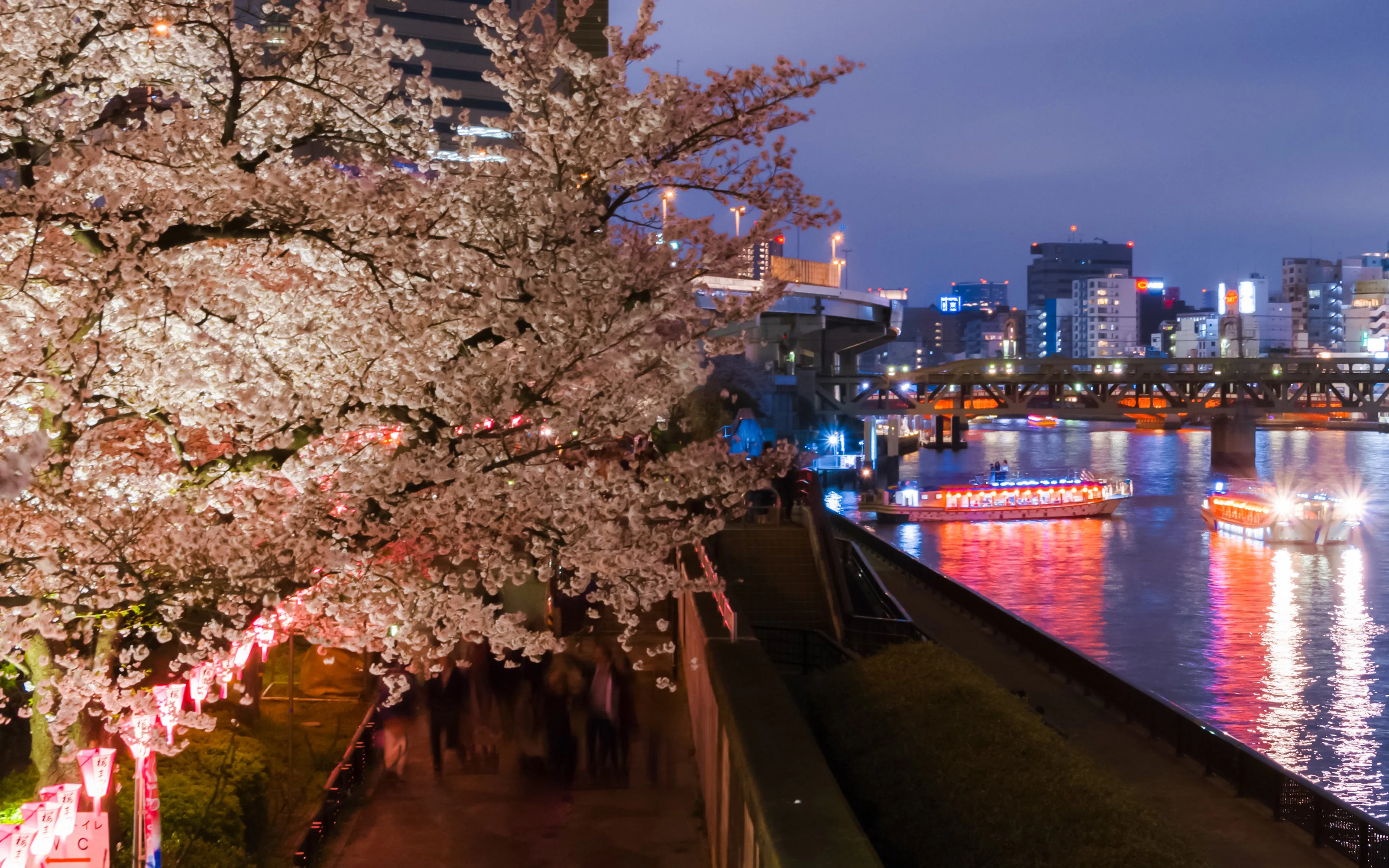
Sumida River passage
In cherry blossom season, the Sakura‑exclusive cruise glides along the Sumida River under bridges like Eitai and Azuma, with rows of blooming cherry trees framing the water and Tokyo Skytree in the distance.
Tokyo Skytree and cherry blossoms
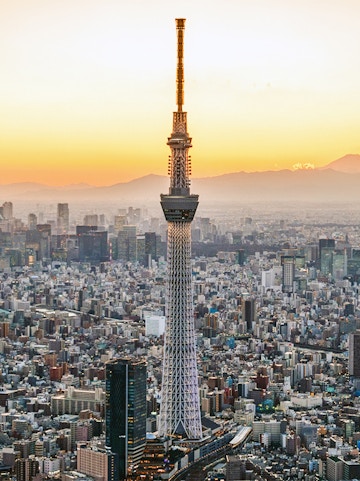
As the boat nears Tokyo Skytree, guests head to the open upper deck for photos of the lit‑up tower rising above sakura‑lined riverbanks, a viewpoint that feels very different from seeing it on land.
Rainbow Bridge and bay lights
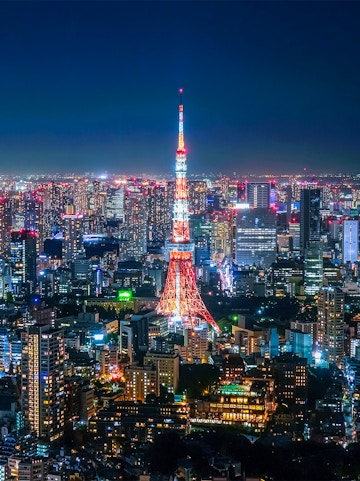
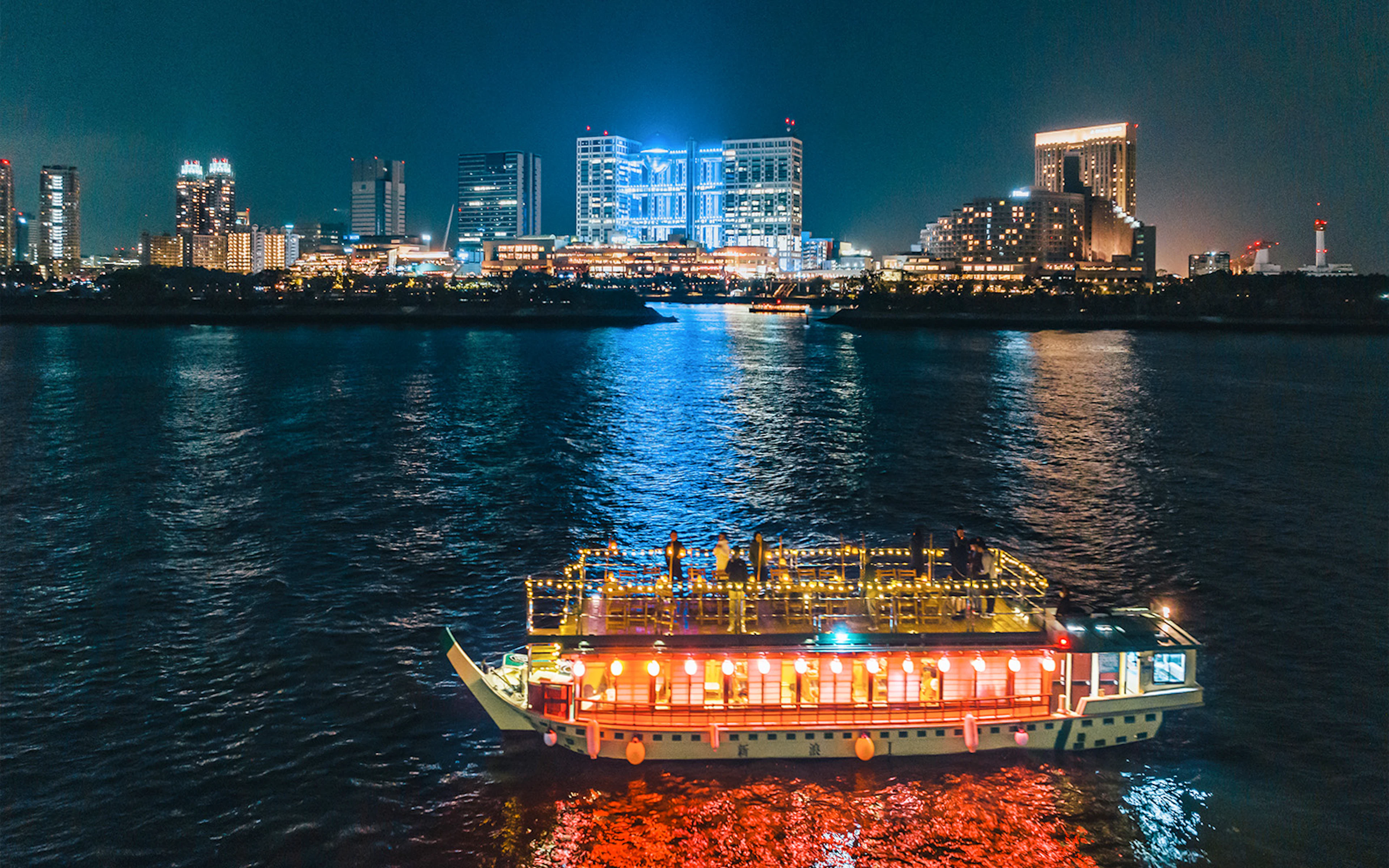
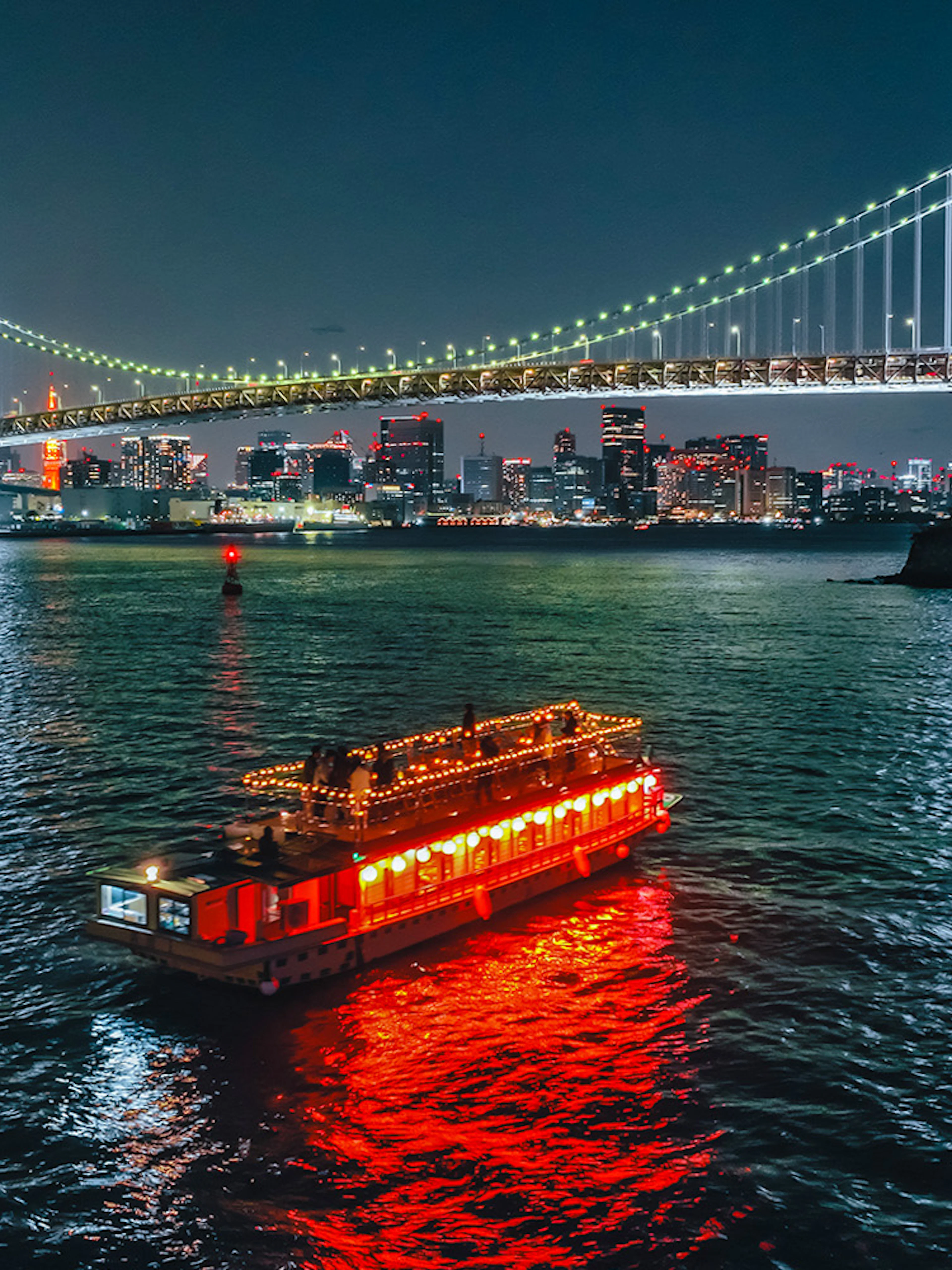
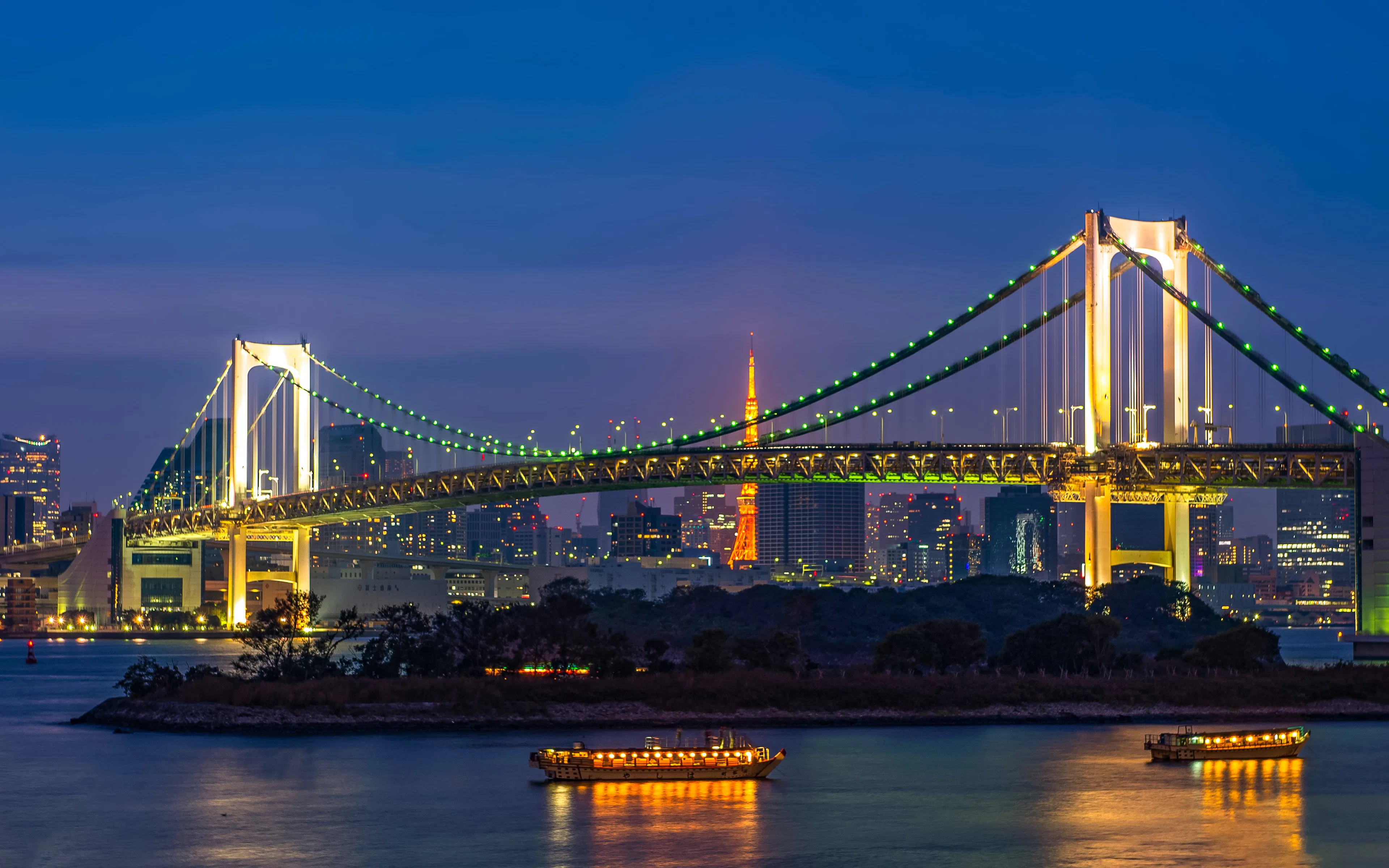
On the year‑round hot pot dinner cruise, the route opens into Tokyo Bay, where the yakatabune slips under Rainbow Bridge and guests see Tokyo Tower and the city skyline glowing across the water.
Odaiba waterfront views
Approaching Odaiba, the bay cruise showcases futuristic landmarks such as the Fuji TV Building and other waterfront complexes, with photo time from the open deck when conditions allow.
Tatami cabin and live shamisen
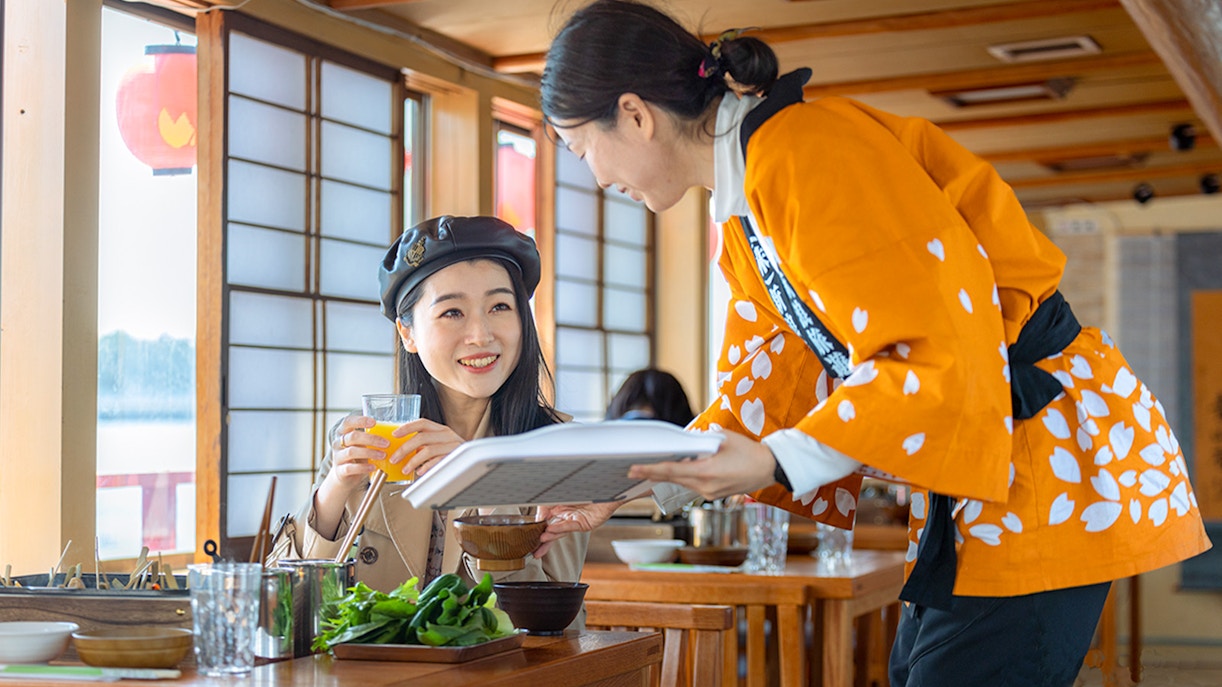
Inside the traditional tatami cabins, guests remove their shoes, sit around low shared tables, and enjoy set menus while a live shamisen performance or Japanese show plays, creating an intimate, old‑Tokyo atmosphere.
Evening lights and photo time
Over roughly 90 minutes to 1.5 hours, the sky shifts from dusk to night as bridges, towers, and riverside buildings light up; there is a limited but memorable window to step onto the upper deck for photos before returning to the tatami cabin.
Things to know before booking your Yakatabune Cruises
Booking window
Plan ahead: Popular dinner and seasonal sakura cruises can sell out quickly in peak periods like cherry blossom, summer festivals, and weekends, so booking at least 3–7 days in advance is recommended, and earlier if you have fixed dates.
What’s included
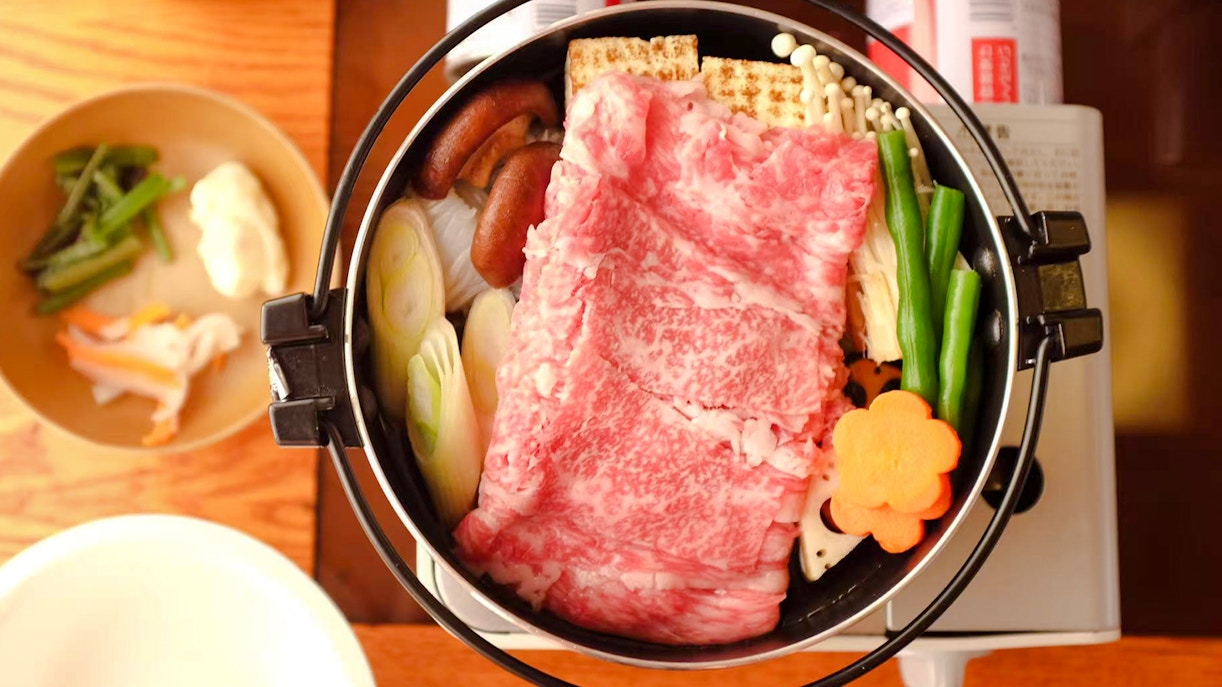
Meal and entertainment: Standard tickets typically include a set Japanese meal (such as sukiyaki or sushi), unlimited soft drinks, and a live shamisen or traditional show, while some options add sake, tea ceremony, or sweets.
Entrances and flow
Boarding and seating: Cruises depart from specific piers listed on your voucher; aim to arrive around 15–20 minutes early, and be ready to remove your shoes and sit on tatami in low‑ceiling cabins.
Ways to explore
Before or after your cruise: Consider pairing your sailing with nearby sights such as Senso‑ji and Asakusa’s shopping streets, or with a separate visit to Tokyo Tower if it is not already included in your ticket type.
Policies and rules
Age limits and conditions: Certain variants may not accept children under a set age and can have limited English commentary, so always review age rules, accessibility notes, and cancellation or rescheduling policies before you confirm your booking.
Which cruise is best for you?
| Ticket type | What’s included | Why choose this | Price from |
|---|---|---|---|
| Hot pot cruise | 1.5-hour cruise, shamisen show, sukiyaki meal (or variant), Tokyo Tower entry | Best value combo with meal, live music, and Tokyo Tower access | ¥17,800 |
| Sakura day cruise | 90-min sakura cruise, cultural show, tea ceremony or sushi set | Best for cherry blossom views with a shorter daytime cruise | ¥9,800 |
| Sakura night cruise | 90-min night sakura cruise, show, sukiyaki meal | Best for evening sakura views with a hot meal onboard | ¥9,800 |
What you'll see on your cruise
1/5
Dancing reflections along the river
Gliding along the Sumida River, the water reflects Tokyo’s vibrant lights. From the lower deck, witness the Rainbow Bridge’s colorful glow paired with the steady silhouette of Tokyo Tower.
Tokyo skyline from the upper deck
Step onto the open upper deck and take in an expansive view of Tokyo’s skyline. Up close, marvel at the grandeur of Tokyo Skytree towering above the city.
Modern meets tradition
Inside the traditional tatami cabin, soft cushions and ambient lighting set a serene backdrop for a cultural feast. Through panoramic windows, observe Tokyo’s ultramodern skyline intermingled with historical riverbanks.
Illuminated architectural wonders
From aboard, admire Tokyo’s architectural feats shimmering in the night. The radiant outlines of iconic structures such as Tokyo Tower and the futuristic Fuji TV building create a dynamic tableau.
Serene cultural moments on board
Experience serene cultural moments as traditional music softly resonates around you. The warm glow of paper lanterns inside the tatami cabin contrasts gently with the cool, moving night outside.
Plan your Yakatabune cruise
Frequently asked questions about Yakatabune dinner cruise Tokyo
Most shared dinner cruises last around 1.5–2 hours from boarding to return, giving enough time for a set Japanese meal, drinks, and live entertainment while you enjoy Tokyo Bay night views.
Boarding points vary across central Tokyo. Popular departure areas include Asakusa, the lower Sumida River, and Tokyo Bay piers such as Hinode, but you should always follow the exact pier name and map link in your ticket, and allow extra time to walk from the nearest station.
Standard tickets usually include a set Japanese meal (for example sukiyaki or sushi), plus all‑you‑can‑drink soft drinks; alcoholic drinks such as beer or sake may be included on some plans or available to purchase separately. Some cruises also bundle extras like Tokyo Tower access or upgraded menus—always check the inclusions at booking.
Children can join many dinner cruises, but some plans do not accept infants under a certain age (often under 3) and may not be suitable for very young children because of tatami seating and shared tables. Always check age limits, seating arrangements, and menu options with the operator before booking.
Many tickets offer free cancellation up to 24–72 hours before the cruise, but some promo or fixed‑date tickets are non‑refundable. Check the cancellation policy on your booking confirmation to see if changes are allowed without extra fees.
Yes, most guests without Japanese can still enjoy the cruise. Some operators provide basic English announcements or printed information about the schedule and landmarks, but the experience remains largely Japanese in style, so expect limited detailed commentary and rely on simple explanations, gestures, and visuals.
Keep it casual and comfortable. Since you may need to remove your shoes when entering the tatami cabin, it’s best to wear easy‑to‑remove footwear and clean socks, and bring a light cardigan as evenings on the water can get breezy.
Yes, upon boarding the traditional tatami cabin you are usually asked to remove your shoes. This step helps maintain the classic Japanese atmosphere, and crews will provide designated areas to store your footwear before you settle in.
Most standard tickets include unlimited soft drinks, with alcoholic drinks such as beer or sake either included in certain all‑you‑can‑drink plans or sold separately. Always review your specific ticket’s drink inclusions so you know what is covered.
In case of severe weather, operators usually cancel or significantly adjust the cruise and may offer a refund or the option to reschedule according to their policy.
Photography is generally allowed during the cruise. However, please avoid using flash during live performances and be mindful of other guests. Secure your camera to prevent accidents on the moving deck, and enjoy capturing the panoramic Tokyo skyline.
Booking 3–7 days ahead is recommended, especially during peak seasons like cherry blossom or fireworks events; for very popular dates, booking earlier gives you a better choice of time and menu.