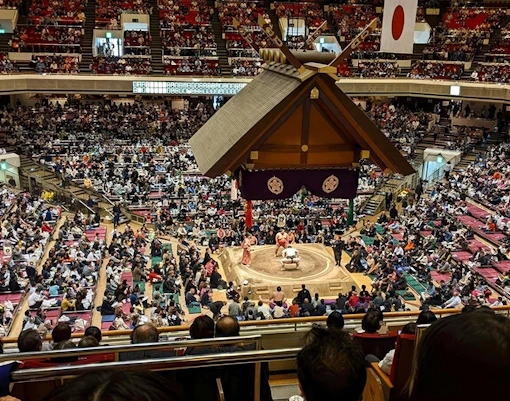
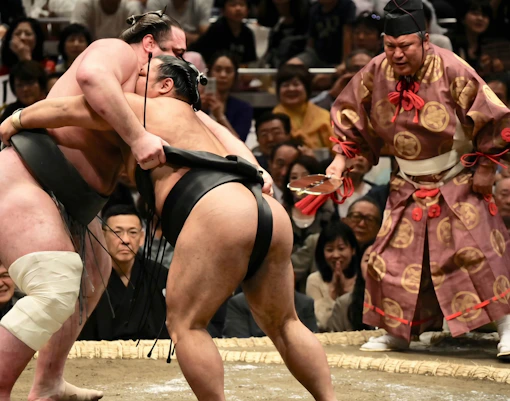
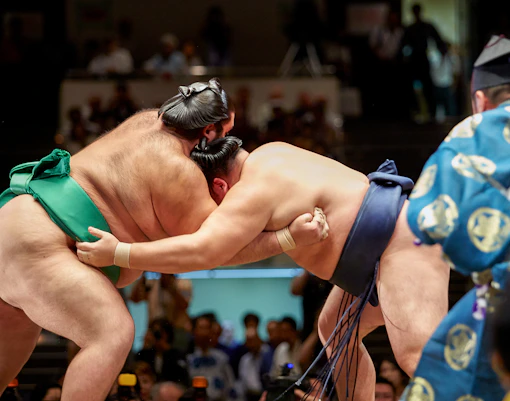
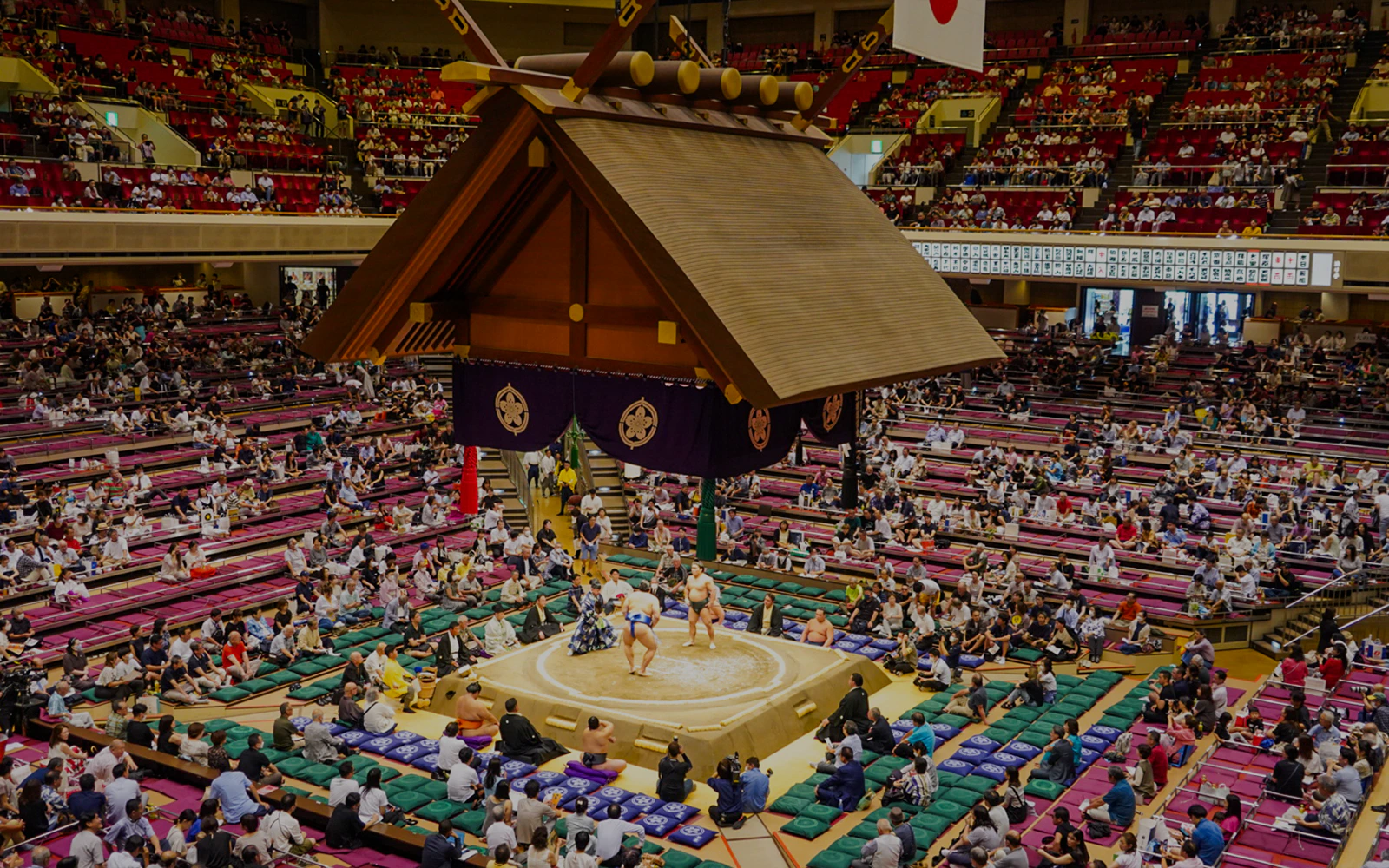
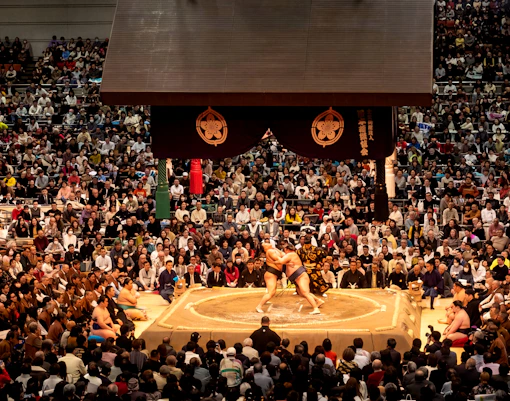
The raised clay dohyo is the focal point of Kokugikan, with every seat oriented toward the compact ring. Bouts can last only seconds, but seeing the action live makes each clash feel intense and immediate.
Ryōgoku Kokugikan | Where sumo ritual meets arena energy
Quick overview
Inside Ryōgoku Kokugikan, the action centers on the dohyo, with tiered seating, ceremonial spaces, and sumo traditions shaping the experience around it.
- Must-sees: The dohyo, B-seat viewing areas, and the rituals surrounding each bout, including salt throwing and ring-entering ceremonies.
- Worth noticing: Look beyond the matches to see how the Kokugikan sumo hall brings together formal rituals, wrestlers, spectators, and the arena’s traditional atmosphere under one roof.
- Pro-tip: Arrive early on tournament days to explore the arena and watch earlier bouts before the higher-ranked wrestlers appear.
What to expect inside Ryōgoku Kokugikan?
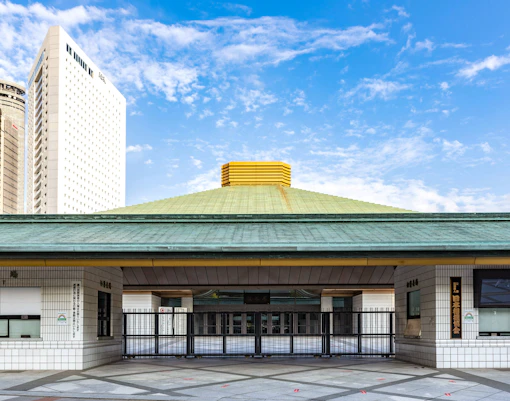
From the outside, Ryōgoku Kokugikan looks like a major arena, but inside, it feels ceremonial and focused on the dohyo. The experience is about more than live bouts—it’s about witnessing sumo’s rituals, rankings, and crowd energy. If time is limited, arrive before the top division enters. For added context, the guided experience includes reserved seats and an English pre-event lecture.
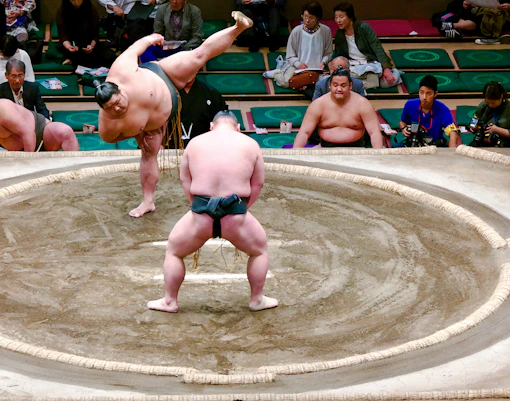
The dohyo at the heart of the arena
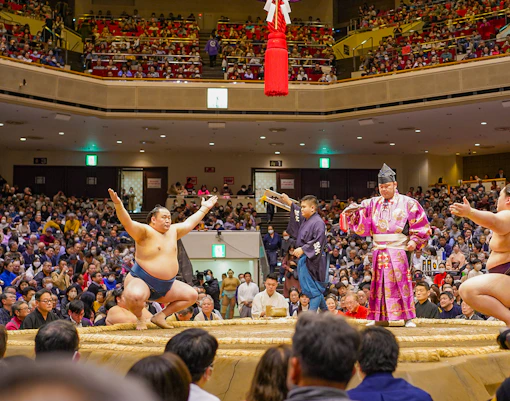
Sumo rituals before every bout
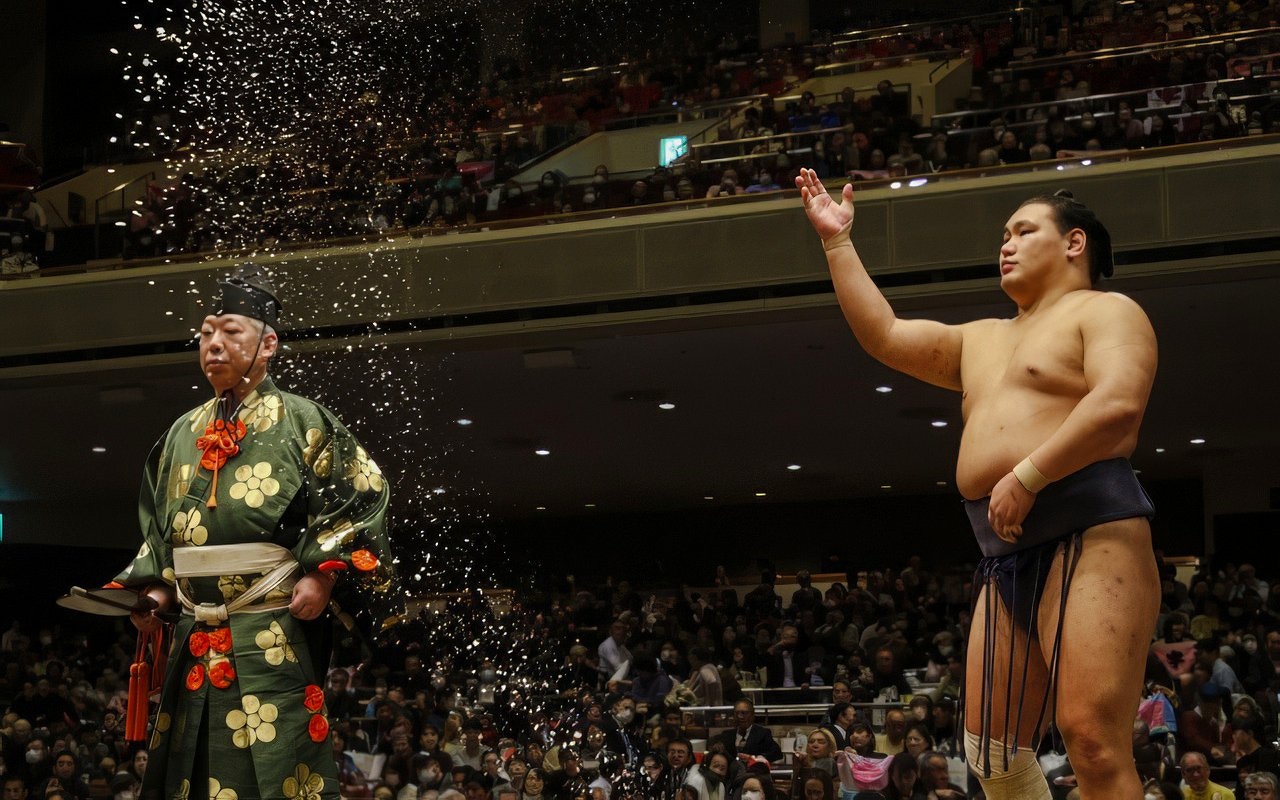
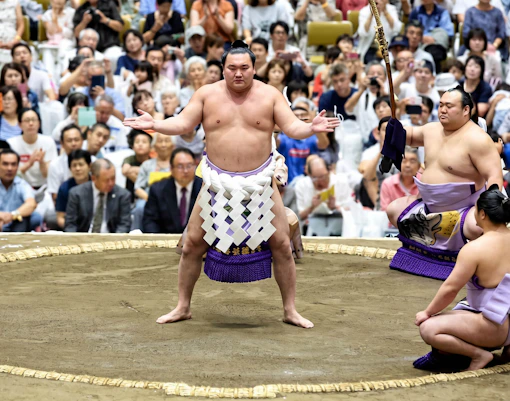
Sumo is about more than the clash. Salt throwing, foot stamping, and ring-entering rituals create a deliberate rhythm before each bout, making them essential to the Tokyo Sumo Tournament experience.
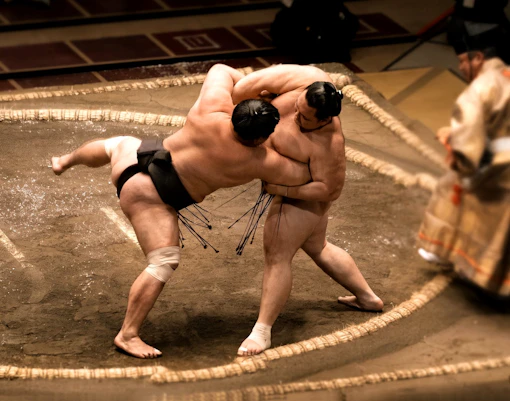
The arena’s traditional sporting culture
Kokugikan immerses you in professional sumo, where rankings, rituals, and traditions shape the experience and give sumo at Ryogoku Kokugikan its distinct identity.
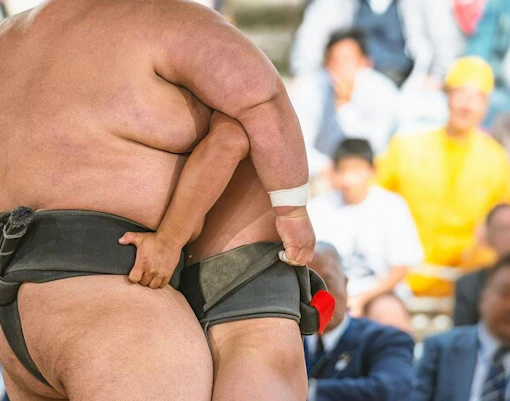
Beyond the headline matches
Start with the earlier bouts instead of waiting for the top-ranked wrestlers. Watching the tournament build through the divisions helps you appreciate the changing pace, crowd energy, and stakes.
Top highlights inside Ryōgoku Kokugikan
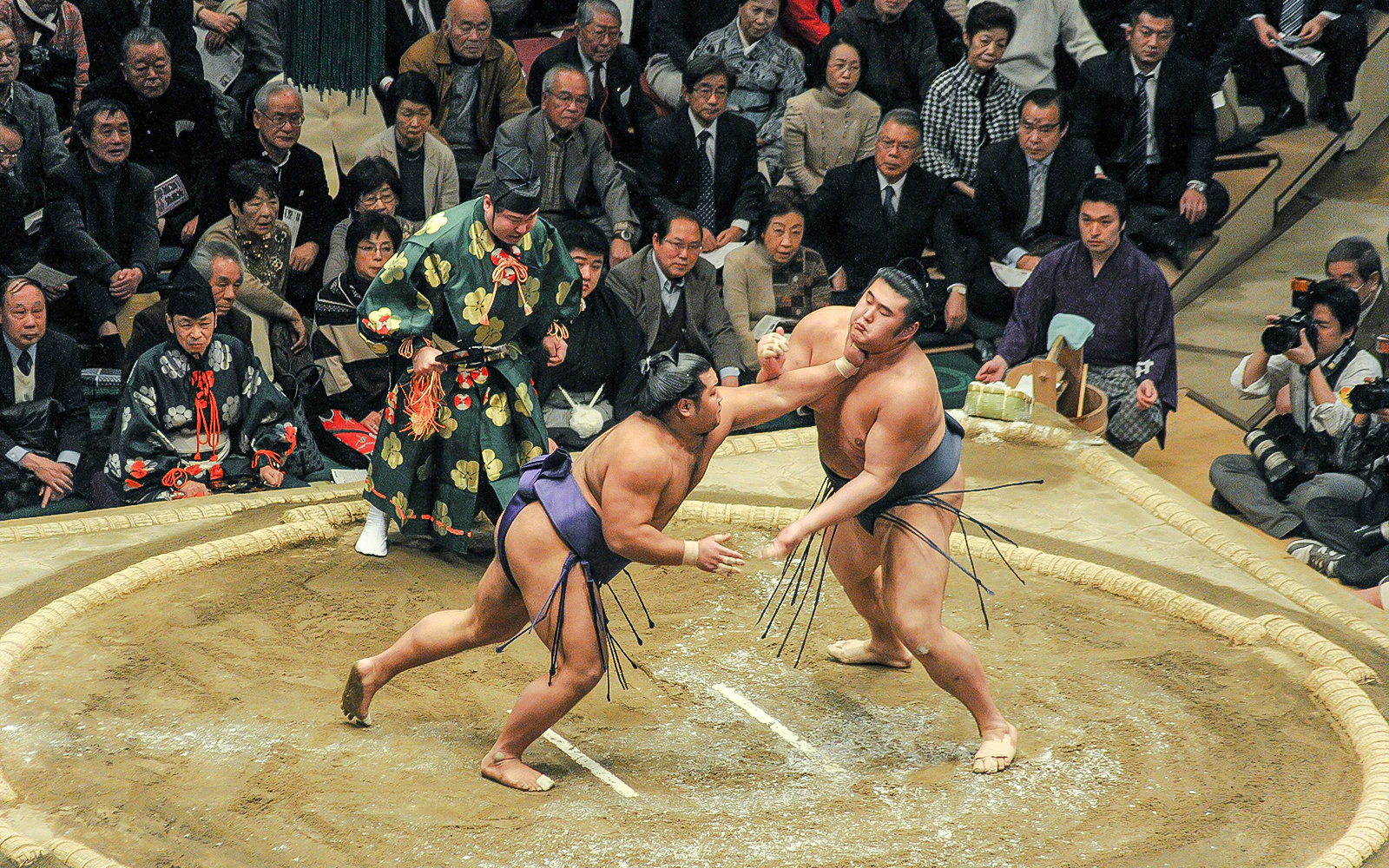
The dohyo
The raised clay ring is the centre of every sumo bout and the arena’s defining feature.
Why it matters: This is where the sport’s rituals and physical contests come together.
Pro tip: Watch the pre-bout rituals as closely as the clash itself.
Navigating Ryōgoku Kokugikan by area
Dohyo & arena floor
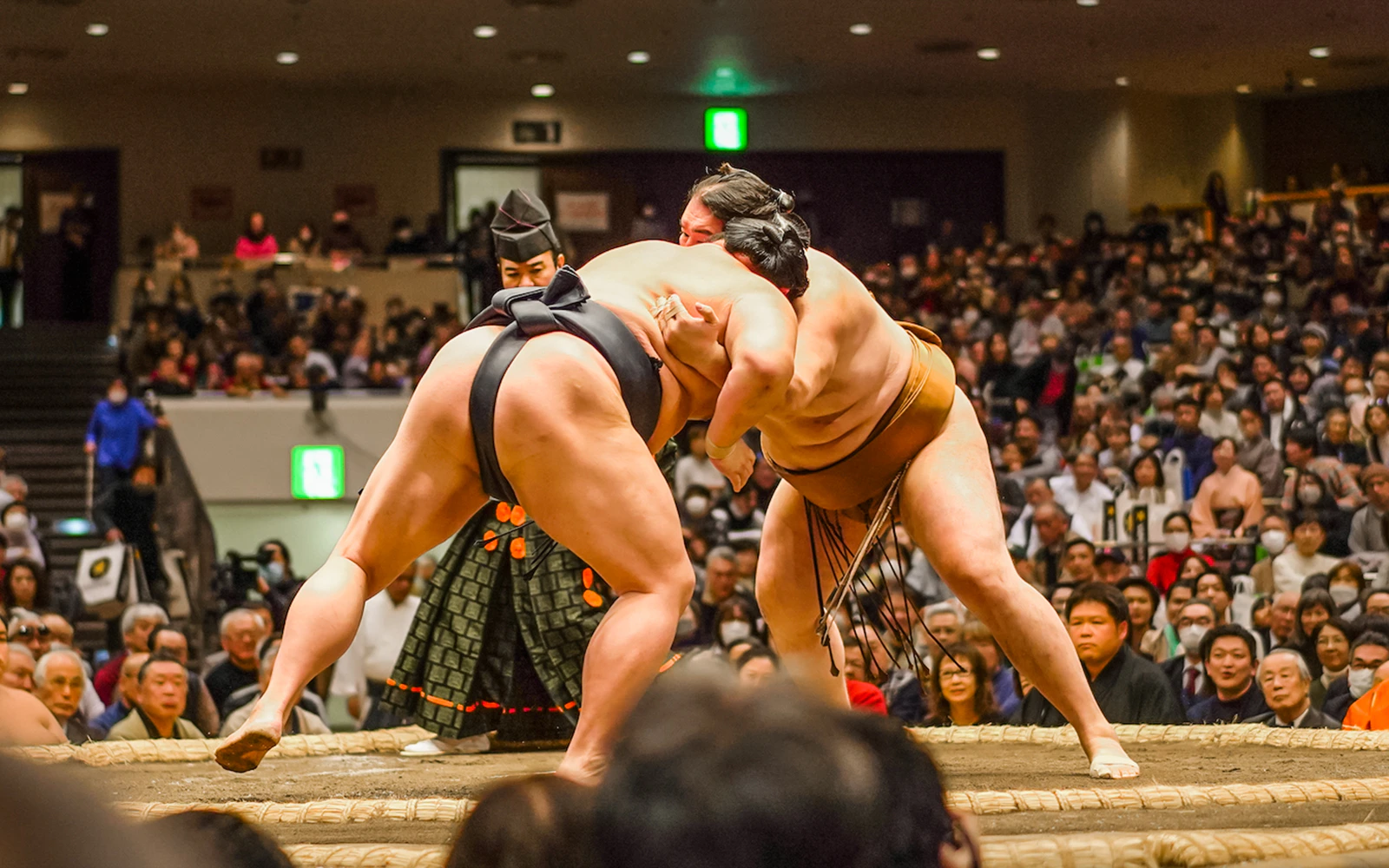
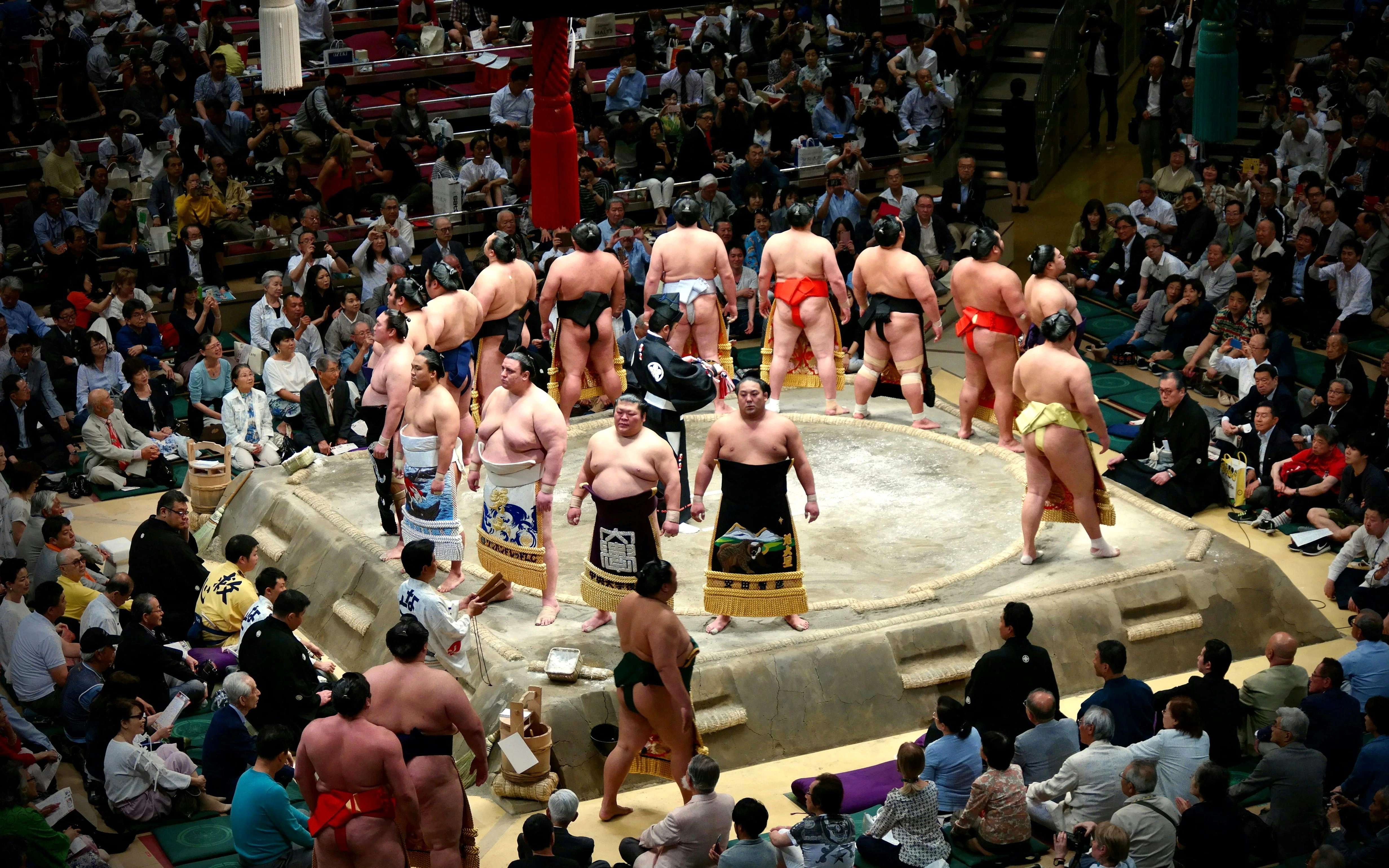
The dohyo sits at the center of the Kokugikan sumo stadium and is the main focal point from every seating section. This is where the bouts, salt-throwing rituals, foot stamping, and ring-entering ceremonies take place. Look for the raised clay platform and the traditional roof suspended above it.
Seating areas
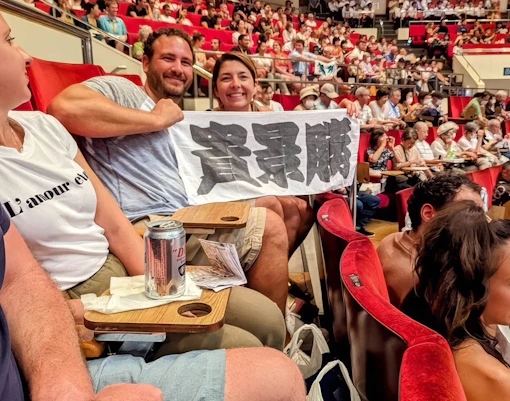
The seating surrounds the dohyo in different sections, giving spectators varying perspectives of the action. Your ticket determines where you watch from, with B seats offering a designated view of the tournament. Check the Ryogoku Kokugikan seating chart before booking to understand the arena layout.
Ringside area
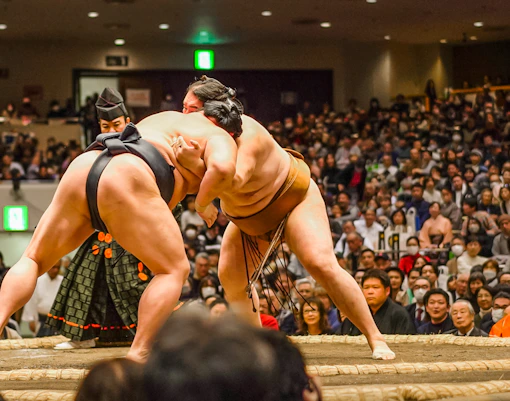
The area immediately around the dohyo gives sumo its distinctive visual character, with officials, attendants, and wrestlers moving through the space between bouts. It is also where the formal rituals become easiest to follow. Watch the activity around the ring as well as the wrestlers themselves.
Upper arena
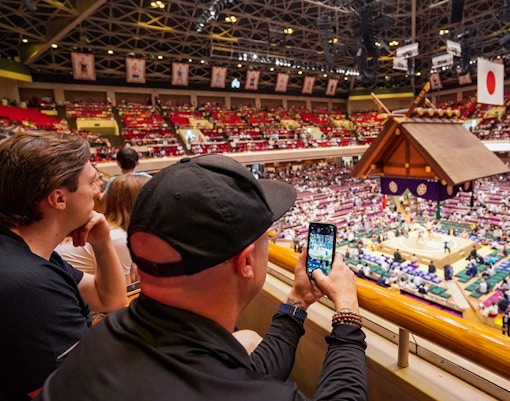
Higher seating areas provide a broader view of the Ryogoku Kokugikan sumo arena, making it easier to see the crowd, dohyo, and overall rhythm of the tournament together. From here, the changing atmosphere becomes part of the experience as the day progresses toward the higher-ranked bouts.
Chanko-nabe & concession stands
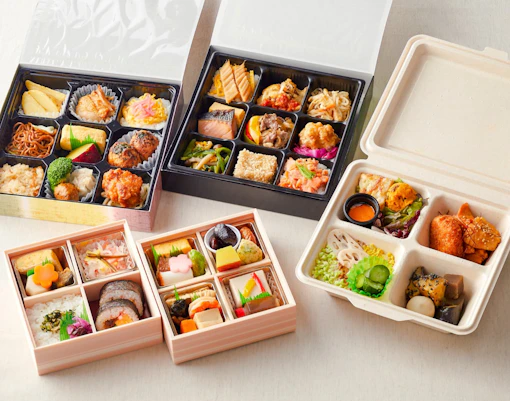
Food is part of the arena experience, with Chanko-nabe and multiple concession stands inside. Chanko-nabe is particularly fitting for a sumo visit, as the hearty hot-pot dish is closely associated with sumo wrestlers and their training culture.
Souvenir shops & Sumo Association stands
Several souvenir shops and The Sumo Association Souvenirs Shop are marked across the arena. This is where you can browse sumo-related merchandise and memorabilia alongside the tournament experience.
Entrance Hall & visitor facilities
The Entrance Hall connects visitors with practical facilities including an information desk, coin lockers, cloakroom/home-delivery counter, book store, capsule toys, and a pin badge stand. A baby-care room, diaper-changing stations, restrooms, and stroller areas are also available.
How to explore the Ryōgoku Kokugikan
Entry process
Your sumo tournament ticket gives you access to the arena, with the door number printed on your ticket helping you find your seating area. Follow the venue signage on arrival and keep your ticket handy throughout your visit.
Best times
- Arrive earlier in the day to experience more than the headline bouts. You can watch lower-division matches before the higher-ranked wrestlers appear, then stay through the later bouts as the tournament builds in intensity.
- Allow around 5.5 hours for the full ticketed experience, including the pre-event introduction and tournament viewing. If you're exploring independently, arriving early gives you more time to experience the arena, food stalls, shops, and earlier bouts.
What to explore
- Must-see: Dohyo & ring-entering ceremonies
- Must-do: Watch the tournament progress from lower to higher divisions
- Worth exploring: Chanko-nabe, souvenir shops, and the arena's visitor facilities. A guided experience can add context to the rituals and rankings as you watch.
Accessibility & facilities
The arena has restrooms, baby-care facilities, diaper-changing areas, stroller spaces, coin lockers, and a cloakroom/home-delivery counter.
Rules & practical tips
Follow the seating and entrance information printed on your ticket, particularly the designated door number for your area. The arena map also identifies food, drink, souvenir, and visitor-service areas, so you can plan breaks without missing the main bouts.
Frequently asked questions about Ryōgoku Kokugikan
It feels more intimate and ceremonial than many people expect from the outside. The building is organized around the central dohyo, with floor boxes close to the ring and chair seating rising above it. That layout makes the action easy to follow even if you’re new to sumo, because the venue keeps your attention fixed on one focal point.
The main surprise for first-timers is that the atmosphere changes through the day. Early hours are calmer, while late afternoon feels fuller, louder, and more charged.
Box Seats (masu-seki) surround the dohyo and provide a traditional way to watch sumo. The arena map identifies different box-seat sections, and your ticket includes a specific door number to help you locate your seating area.
Yes. The official arena map identifies chanko-nabe and several concession stands inside the venue. There are also souvenir shops where you can browse sumo-related merchandise during breaks between bouts.
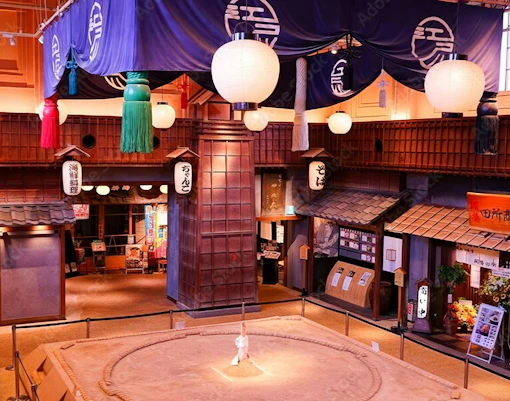
On tournament days, you can expect food, drinks, merchandise, seating concourses, and the Sumo Museum on the 1st floor. The official event guide also marks food, drink, and merchandise locations. Restrooms are available inside the venue, but a public English floor-by-floor facility list was not available in the reviewed sources.
The crowd usually builds rather than arriving all at once. Earlier in the day, the arena can feel relatively open and easy to navigate. The stronger rush comes later, especially as the top division approaches and more spectators settle in for the marquee bouts and entrance ceremonies.
You can circulate to shops, food stands, and facilities, but timing matters. It’s better to move between bouts or before the higher divisions begin. During active matches and major ceremonies, getting up creates more friction for both you and the people around you.
The current guided tournament experience specifically warns against moving during matches and key ceremonies, which fits normal arena etiquette here. If you want to browse, eat, or use the restroom, do it before the Makuuchi entrance or during lower-intensity gaps.
Photography is generally part of the live-event experience, but keep it respectful. The clearest rule in the current guided tournament experience is that strong flash photography isn’t allowed.
The current guided tournament experience notes stroller and wheelchair storage on the 1st and 2nd floors, strollers aren’t allowed in seating areas, and asks wheelchair users to notify in advance.
If you mainly care about the strongest atmosphere, you do not need to arrive at doors-open. A smarter approach is to arrive early enough to find your section, browse the concourse, and be seated before the late-afternoon top division enters. That gives you the best mix of ease and payoff.
If you’re more curious about the venue itself, arrive earlier and add time for the Sumo Museum and food stalls. For Tokyo tournaments, some visitors also like being around the South Gate from about 2pm, when many top-division wrestlers are noted to arrive.
Casual clothing works well. The clearest practical guidance from the current guided tournament experience is to avoid large hats or bulky accessories that block other people’s views. Pack lightly, because large luggage is not appropriate at your seat.